The Insatiable Appetite of Artificial Intelligence
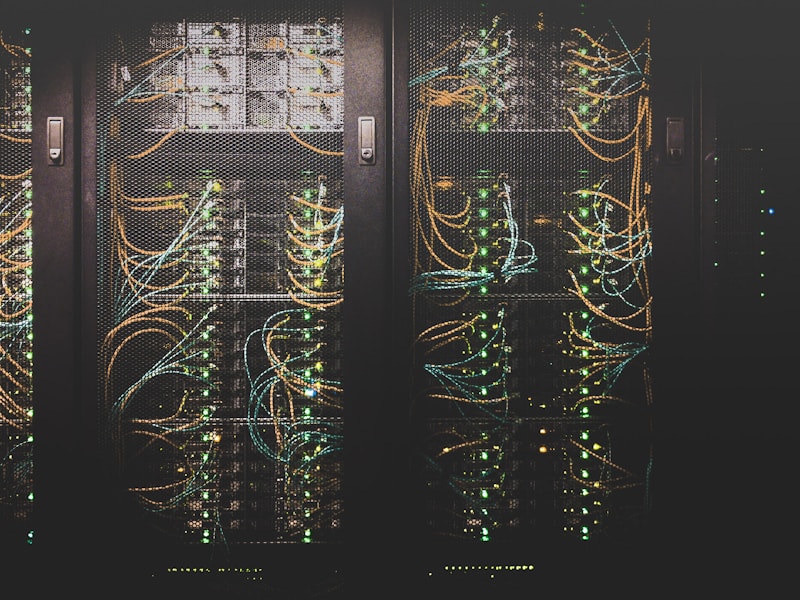
The rapid democratization of generative artificial intelligence (AI) has sparked a technological gold rush. From large language models (LLMs) that generate human-like text to diffusion models that create photorealistic imagery, AI is transforming global industries overnight. However, this cognitive revolution hides a dark physical truth: an unprecedented, insatiable appetite for electrical power.
A single ChatGPT query consumes roughly ten times more electricity than a standard Google search. As tech giants deploy hundreds of thousands of high-performance Graphics Processing Units (GPUs) to train and run these models, the global data center grid is facing an existential crisis. Industry analysts warn that by 2030, data centers could consume up to 9% of the United States’ total electricity generation, doubling their current share. To prevent a severe climate setback while continuing to fuel the AI revolution, the technology sector is pivoting aggressively to green data centers.
The Core of the Crisis: Training vs. Inference
To understand the sheer scale of the AI energy crisis, we must look at the two distinct phases of machine learning: training and inference.
- The Training Phase: Training modern foundational models requires thousands of specialized chips running continuously for weeks or months. For instance, training GPT-3 consumed an estimated 1,287 megawatt-hours (MWh) of electricity—equivalent to the annual consumption of over 120 average American homes.
- The Inference Phase: While training is highly localized and computationally intensive, inference—the process of answering user queries once the model is trained—is continuous and scales directly with user adoption. As billions of queries are processed globally each day, the cumulative energy usage of inference quickly dwarfs training energy usage over time.
Revolutionizing Infrastructure: Next-Generation Cooling
Historically, up to 40% of a data center’s energy was spent on cooling the physical hardware. Traditional air cooling methods, which rely on massive fans and chillers to circulate cold air, are proving wholly inadequate for modern AI chips. NVIDIA’s latest Blackwell B200 GPUs, for example, can draw up to 1,200 watts per chip, generating heat densities that render legacy air cooling obsolete.
1. Direct-to-Chip Liquid Cooling
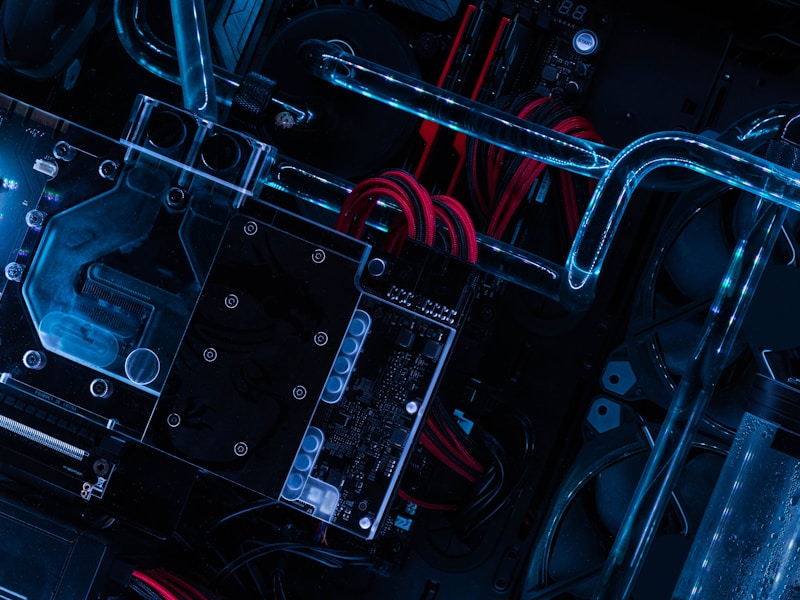
Direct-to-chip (or cold-plate) cooling circulates a liquid coolant (typically water or a specialized dielectric fluid) directly through sealed tubes running over the hottest components of the server. Because liquid is exponentially more efficient at transferring heat than air, direct-to-chip cooling can reduce a facility’s cooling energy usage by up to 90%.
2. Immersion Cooling
Immersion cooling takes the concept a step further by submerging entire server blades in a non-conductive, dielectric fluid. In a single-phase system, the fluid remains in liquid form and is pumped through an external heat exchanger. In a two-phase system, the fluid boils at a low temperature, vaporizes to carry heat away, condenses on a cold plate, and drips back down. This closed-loop process offers unmatched thermal efficiency and dramatically lowers Power Usage Effectiveness (PUE) scores toward the ideal target of 1.0.
Sourcing Clean Power: The Shift Beyond Traditional Renewables
Transitioning to green data centers requires more than just energy-efficient hardware; it demands a fundamental shift in how electricity is generated. While solar and wind have been the cornerstones of green energy, their intermittent nature (the wind doesn’t always blow, and the sun doesn’t always shine) clashes with the 24/7/365 reliability required by hyperscale data centers.
“The variable nature of solar and wind power means data centers must look toward baseline, carbon-free energy sources to guarantee constant uptime without relying on fossil-fuel backups.”
The Nuclear Renaissance: SMRs and Fusion
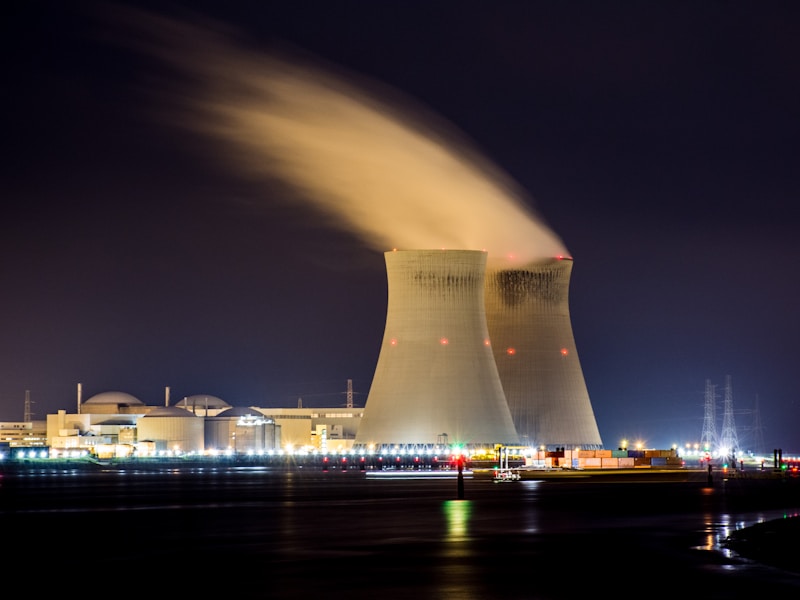
To secure constant, carbon-free baseload power, tech companies are increasingly turning to nuclear energy. Small Modular Reactors (SMRs) are emerging as a highly promising solution. SMRs are compact, factory-assembled nuclear reactors that can be deployed directly adjacent to data centers, bypassing grid distribution bottlenecks. Microsoft recently signed a landmark deal to resurrect a unit at the Three Mile Island nuclear plant, while Amazon Web Services (AWS) purchased a data center campus in Pennsylvania powered directly by the adjacent Susquehanna nuclear plant.
Geothermal and Advanced Storage
Deep geothermal energy is another major focus area. By drilling deep into the Earth’s crust, tech companies can tap into constant thermal energy. Google has partnered with clean energy startups to deploy enhanced geothermal systems (EGS) in Nevada, feeding steady carbon-free electricity directly into the local grid serving its data centers.
Algorithmic and Software-Level Optimizations
Hardware and infrastructure represent only half of the solution; software optimization plays a critical role in mitigating the AI energy crisis. By designing more efficient models, researchers are reducing the computational overhead of AI tasks.
- Model Quantization: This process reduces the precision of the numerical values (weights) within a neural network (e.g., from 32-bit floating-point numbers to 8-bit integers). This significantly reduces memory usage and speeds up computation with negligible loss in accuracy.
- Pruning and Distillation: Pruning removes redundant or unnecessary parameters from a trained model, while knowledge distillation trains a smaller, highly efficient “student” model using a massive “teacher” model as a guide.
- Neuromorphic Computing: Inspired by the human brain—which operates on an incredibly low power envelope of about 20 watts—neuromorphic chips process information using spiking neural networks that only consume power when active, presenting a paradigm shift in energy-efficient hardware.
Actionable Strategies for Modern Enterprises
While hyperscalers like Google, Microsoft, and AWS lead these multi-billion dollar initiatives, smaller enterprises can also take tangible steps to optimize their IT carbon footprint:
- Audit and Optimize PUE: Measure your current Power Usage Effectiveness. Address inefficiencies by consolidating workloads and upgrading legacy server hardware.
- Adopt Hybrid-Cloud Architectures: Migrate highly intensive, non-real-time processing tasks to hyperscale public cloud providers who have already optimized their infrastructure for high efficiency.
- Implement Dynamic Power Management: Utilize AI-driven management software to dynamically scale down power to idle servers and optimize cooling schedules based on real-time environmental factors.
- Prioritize Green Hosting Providers: When selecting co-location or hosting partners, mandate minimum PUE requirements and verify their commitments to sourcing 100% renewable or carbon-free energy.
The Road Ahead
The AI energy crisis is not a roadblock to innovation, but rather a catalyst for a sustainable infrastructure revolution. By integrating revolutionary cooling mechanisms, investing heavily in advanced baseline carbon-free energy like nuclear and geothermal, and refining algorithms for maximum efficiency, the technology industry is laying the groundwork for a greener, more resilient digital future. Balancing the cognitive power of AI with ecological preservation remains the defining engineering challenge of our generation.