
Introduction: The New Era of Sustainable Sports
For decades, professional sports events were synonymous with massive carbon footprints. From the blazing floodlights consuming megawatts of electricity to the mountains of single-use plastic cups left behind by tens of thousands of cheering fans, the environmental cost of our collective entertainment was staggeringly high. However, a profound paradigm shift is currently underway. Today, the global sports industry is undergoing a green revolution, transforming stadiums from energy-intensive monoliths into beacons of sustainability and ecological innovation.
As climate change accelerates, sports franchises, governing bodies, and stadium operators are recognizing their unique position of influence. By adopting eco-friendly practices, modern stadiums are not only reducing their operational impacts but are also leveraging their platforms to educate millions of fans about environmental stewardship. This comprehensive analysis explores the cutting-edge technologies, architectural triumphs, and operational shifts driving this green transformation on and off the field.
1. Sustainable Architecture & LEED Certification
The foundation of a green stadium begins long before the first whistle blows. Modern sports venues are increasingly designed with sustainability at their core, aiming for prestigious certifications like the Leadership in Energy and Environmental Design (LEED) rating system.
Architects are reimagining construction by incorporating recycled, locally sourced, and low-carbon materials. For instance, the use of green concrete, which utilizes industrial byproducts to reduce carbon emissions during manufacturing, is becoming industry standard. Furthermore, many new venues integrate natural lighting and advanced ventilation systems to minimize the need for artificial heating and cooling.
Key Architectural Innovations:
- Green Roofs: Plant-covered roofs help insulate structures, reduce the urban heat island effect, and manage stormwater runoff naturally.
- Ethylene Tetrafluoroethylene (ETFE) Cushions: This lightweight, recyclable plastic alternative to glass provides excellent thermal insulation and allows natural light to penetrate, reducing energy consumption.
- Deconstruction and Reuse: Rather than demolishing old venues, progressive developers are selectively dismantling them to salvage steel, concrete, and seating for new construction.
2. Powering the Game: Renewable Energy and Smart Grids
Historically, a single matchday could consume enough electricity to power thousands of homes for a year. Today, stadiums are transitioning from passive energy consumers to active, self-sustaining microgrids powered by renewable energy sources.
Solar energy is the most visible manifestation of this shift. Giant solar arrays are now integrated into stadium canopies, parking lot carports, and even the vertical facades of structures. These systems generate clean electricity on-site, which is often fed back into the local municipal grid when the stadium is dormant.
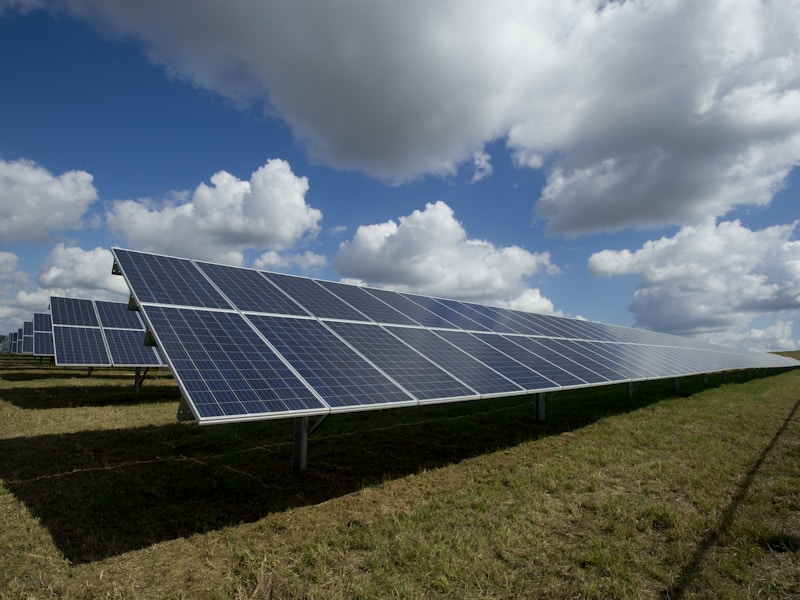
“The goal is no longer just to reduce energy consumption, but to actively generate clean power and build resilience back into the communities we serve.”
To manage this power effectively, venues are deploying advanced smart grids and battery storage systems. By utilizing second-life electric vehicle (EV) batteries, stadiums can store excess solar energy generated during the week and discharge it during peak game-day hours, smoothing out demand spikes and preventing grid overload.
3. The War on Waste: Achieving Zero-Waste Status
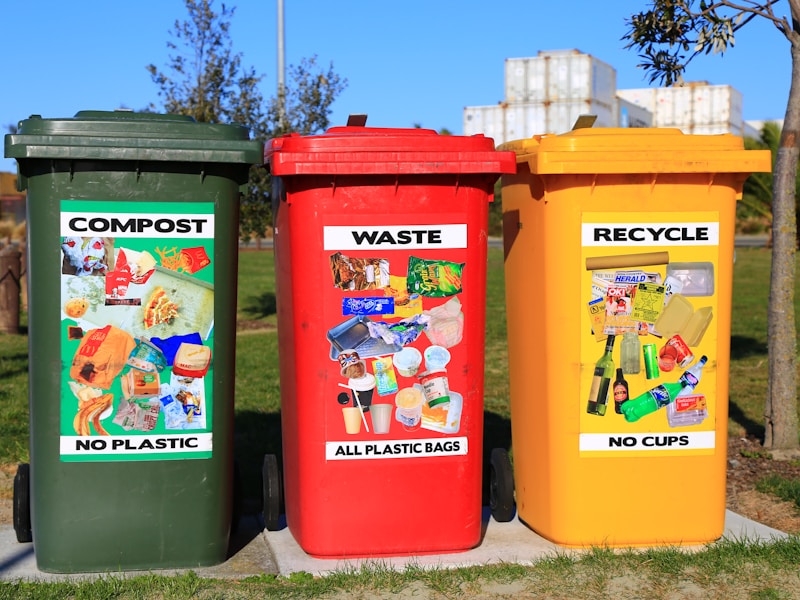
A packed stadium of 70,000 spectators can generate dozens of tons of waste in just a few hours. To combat this, forward-thinking venues are aiming for “Zero Waste” certification, which requires diverting at least 90% of waste from landfills through recycling, composting, and reuse programs.
The first step in this process is eliminating single-use plastics. Stadiums are swapping plastic cups, straws, and utensils for certified compostable alternatives made from plant-based materials like PLA (polylactic acid). Combined with clearly labeled waste-sorting stations and fan education campaigns, these initiatives ensure that food waste and packaging can be processed together in industrial composting facilities.
Innovative Waste Management Strategies:
- On-Site Biodigesters: These machines use aerobic digestion to rapidly break down food scraps into nutrient-rich compost or liquid fertilizer right at the venue.
- Reusable Cup Ecosystems: Fans pay a small deposit for a durable, washable cup, which is returned at the end of the game, sanitized, and reused hundreds of times.
- Upcycling Merchandising: Unsold team merchandise and worn player jerseys are increasingly collected and upcycled into new apparel or stadium building materials.
4. Water Conservation and Resource Management
Maintaining pristine playing surfaces and keeping facilities sanitary demands massive volumes of water. Green stadiums are tackling this challenge through sophisticated rainwater harvesting and graywater recycling systems.
Rainwater is collected from the massive surface area of stadium roofs, filtered, and stored in subterranean cisterns. This harvested water is then used to irrigate the turf and flush toilets, significantly reducing the demand on municipal potable water supplies. Additionally, low-flow plumbing fixtures and waterless urinals have become standard installations, saving millions of gallons of water annually.
5. Leading by Example: Real-World Case Studies
Several venues across the globe stand out as pioneers of this eco-friendly movement, proving that sustainability and high-performance entertainment can coexist seamlessly:
Climate Pledge Arena (Seattle, USA)
As the world’s first certified Net Zero Carbon arena, Seattle’s Climate Pledge Arena is powered entirely by 100% renewable electricity. The venue harvests rainwater from its historic roof to create the cleanest ice in the NHL for the Seattle Kraken, and it has successfully banned all single-use plastics.
Johan Cruyff Arena (Amsterdam, Netherlands)
Home to AFC Ajax, this stadium is a masterclass in circular energy. It features a massive storage system powered by 148 Nissan Leaf batteries, which stores energy from thousands of rooftop solar panels. This system provides back-up power to the stadium and grid stability services to the city of Amsterdam.
Forest Green Rovers (Nailsworth, UK)
Recognized by FIFA as the greenest football club in the world, this lower-league English club features an entirely organic grass pitch irrigated with captured rainwater, a solar-powered lawnmower, and an entirely vegan menu for players and fans alike.
Conclusion: The Ultimate Win-Win
The greening of sports stadiums and events is more than just a trend; it is a fundamental evolution of the industry. By investing in renewable energy, circular waste economies, and sustainable architecture, sports organizations are securing their own operational viability while showing millions of fans how to live more sustainably. On this playing field, environmental responsibility is no longer a compromise—it is the ultimate victory.