

The Paradigm Shift: From Exploitation to Coexistence
For decades, wildlife tourism was defined by proximity at any cost. Travelers clamored for selfies with sedated predators, rode on the backs of overworked elephants, and crowded marine life in artificial enclosures. Today, a profound paradigm shift is underway. Modern travelers seek true wilderness immersion—an approach to travel that prioritizes the welfare of the animals, the preservation of fragile ecosystems, and the empowerment of local communities. Ethical wildlife encounters are no longer a niche market; they are the cornerstone of progressive global conservation efforts.
Decoding ‘Ethical’: How to Audit a Wildlife Tour Operator
The rise of ecotourism has unfortunately birthed ‘greenwashing’—the practice of using marketing spin to present an environmentally responsible image. To ensure your wilderness immersion is truly ethical, use this rigorous four-point checklist:
- No Direct Interaction: Genuine ethical operators enforce a strict hands-off policy. If an experience promises holding, feeding, walking with, or posing for selfies with wild animals, it is inherently exploitative.
- Financial Transparency: A significant portion of your tour or permit fees must directly fund habitat conservation, anti-poaching initiatives, or local community development.
- Scientifically-Backed Guidelines: Ethical operators align with global conservation bodies (such as IAATO in Antarctica or the IGCP in East Africa) and strictly enforce buffer distances, maximum group sizes, and limited interaction windows.
- Local Community Integration: Conservation cannot succeed without local human buy-in. Look for lodges and operators owned by or employing local indigenous guides, ensuring tourism provides a viable economic alternative to poaching or habitat destruction.
1. Tracking Mountain Gorillas: Rwanda and Uganda
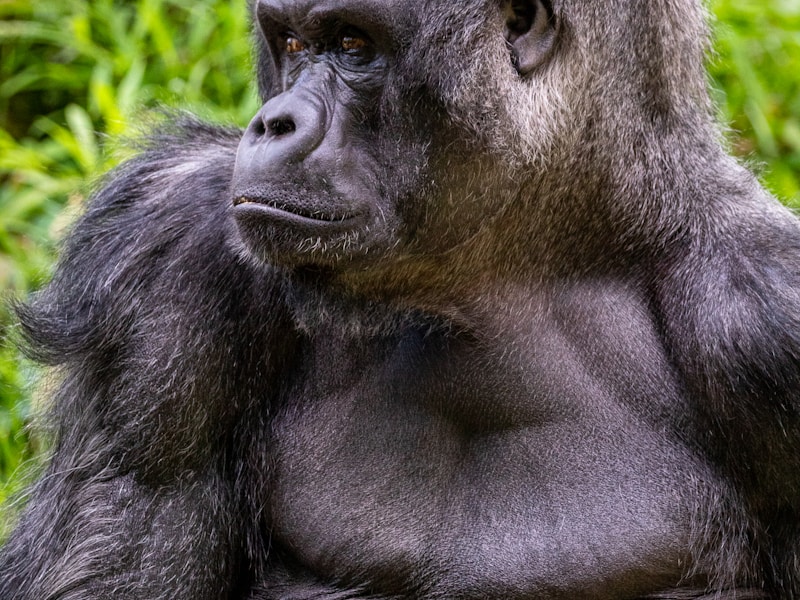
High in the mist-shrouded volcanic peaks of East Africa lives one of the world’s most endangered primates: the mountain gorilla. Tracking these gentle giants through the dense undergrowth of Volcanoes National Park in Rwanda or Bwindi Impenetrable Forest in Uganda is the gold standard of ethical wildlife encounters.
Why It is Ethical:
The gorilla trekking model is highly regulated. Permits are strictly limited to prevent habituation fatigue and reduce the transmission of human pathogens, to which gorillas are highly susceptible. Furthermore, the substantial cost of these permits ($1,500 in Rwanda, $700-800 in Uganda) directly funds national park security, anti-poaching patrols, and local community infrastructure like schools and hospitals. Visitors must maintain a strict 7-meter (23 feet) distance and wear protective masks to safeguard the gorillas’ health.
‘By attributing a high economic value to living gorillas, local communities have transitioned from poaching to active conservation stewardship, proving that ethical tourism can save a species from the brink of extinction.’
2. Navigating the Living Laboratory: The Galápagos Islands, Ecuador
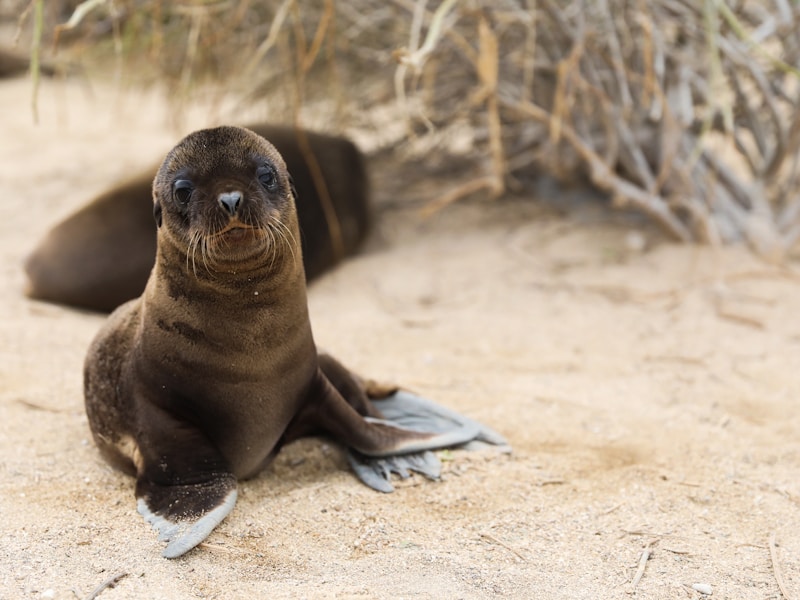
Located 600 miles off the coast of Ecuador, the Galápagos archipelago remains a pristine sanctuary of evolutionary wonder. Here, animals display an extraordinary lack of fear toward humans, allowing for uniquely close, yet deeply respectful, wilderness immersion.
The Ethics of Galápagos Conservation:
The Galápagos National Park strictly controls visitor flow. All tourists must be accompanied by a certified naturalist guide who ensures travelers remain on marked trails. Marine encounters, such as snorkeling with playful sea lions, marine iguanas, and reef sharks, are monitored to ensure human presence does not disrupt natural behaviors. Vessels operating in the archipelago must adhere to strict environmental standards regarding waste management, fuel efficiency, and biosecurity protocols to prevent the introduction of invasive species.
3. Low-Impact, High-Value Safaris: Botswana’s Okavango Delta
While many African safari destinations suffer from overcrowding and off-road ecosystem degradation, Botswana pioneered a revolutionary conservation model: high-cost, low-volume tourism. By keeping guest numbers low and prices premium, Botswana protects its fragile ecosystems while generating substantial conservation revenue.

Immersion in the Wilderness:
In the Okavango Delta, a vast inland river delta, travelers navigate waterways in traditional mokoro (dugout canoes) or silent electric solar-boats. Private concessions maintain strict limits on the number of vehicles allowed at wildlife sightings, ensuring lions, leopards, and wild dogs are never surrounded or stressed. This approach preserves the wilderness’s wild character, offering an unmatched sense of isolation and connection to nature.
4. The Untamed Southern Ocean: Antarctica
Antarctica is the ultimate frontier of wilderness immersion. It has no indigenous human population, meaning every encounter with its massive penguin rookeries, breaching humpback whales, and lounging leopard seals is entirely on nature’s terms.
Enforcing the Antarctic Treaty:
All ethical travel to Antarctica is governed by the International Association of Antarctica Tour Operators (IAATO). IAATO guidelines are incredibly strict: travelers must undergo thorough biosecurity decontaminations before and after landing to prevent the introduction of non-native microbes. Vessels carrying more than 500 passengers are prohibited from landing guests, and smaller ships must schedule landings carefully so that only one vessel is at a site at any given time. Maintaining a 5 to 10-meter distance from wildlife is mandatory, letting the animals approach you rather than vice-versa.
The Psychological and Physiological Impact of True Immersion
Ethical wildlife encounters offer more than just spectacular photographs; they trigger profound internal shifts. Studies in ecopsychology indicate that observing animals undisturbed in their natural habitats reduces human stress hormones, fosters deep feelings of connectedness, and converts casual tourists into lifelong advocates for global conservation. This is the ultimate goal of wilderness immersion: to leave the traveler changed, and the destination entirely unharmed.