


Introduction: The New Era of Mindful Exploration
Travel has the unique power to broaden our horizons, foster cross-cultural understanding, and support local economies. However, our global wanderlust comes at a steep ecological cost. From the carbon emissions of long-haul flights to the deluge of single-use plastics discarded in fragile ecosystems, the environmental footprint of modern tourism is undeniable. As global awareness shifts toward sustainability, a new class of explorer has emerged: the conscious traveler.
This guide delves into the core of sustainable travel—eco-friendly packing. By rethinking what we carry, we can significantly mitigate our impact on the destinations we cherish. Packing light and choosing green products does not mean sacrificing comfort; rather, it represents a shift toward higher quality, longevity, and intentional living. Let us explore the essentials of building a low-impact, sustainable travel kit.
1. Luggage with a Legacy: Selecting Sustainable Gear
Before you pack a single item, consider the vessel holding it all. Traditional luggage often relies on virgin plastics, synthetic rubbers, and toxic dyes that do not break down in landfills. Transitioning to eco-friendly luggage is your first step toward green travel.
Eco-Certifications to Look For
When shopping for new travel gear, look beyond greenwashed marketing and search for credible, independent certifications:
- Bluesign® Approved: Guarantees that the textile was manufactured with the lowest possible impact on people and the environment, utilizing safe chemicals.
- Global Recycled Standard (GRS): Verifies the recycled content in products, tracing it from source to final product while meeting strict social and environmental requirements.
- Cradle to Cradle (C2C): Assesses a product’s safety to humans and the environment, and its design for future life cycles.
Prioritize brands utilizing post-consumer recycled PET (polyethylene terephthalate) bottles, organic cotton canvas, or ethically sourced materials. High-durability brands that offer lifetime warranties are inherently sustainable because they keep products out of landfills through repair services rather than replacements.
2. The Zero-Waste Toiletry Kit
Personal care products are notorious contributors to plastic pollution and chemical runoff. Traditional travel-sized toiletries are highly inefficient, generating disproportionate plastic waste relative to their volume. Fortunately, the cosmetic industry has experienced a solid-state revolution.

The Shift to Solid Formulations
Eliminating liquids from your toiletry bag is a game-changer for both the environment and security checkpoints. Solid formulations require no plastic packaging, prevent messy spills, and have a significantly lower carbon footprint because they are lightweight and compact to transport.
- Solid Shampoo and Conditioner Bars: Formulated with natural oils and plant-based cleaners, these bars can last up to 80 washes (equivalent to three bottles of liquid shampoo) and dissolve cleanly without releasing microplastics.
- Toothpaste Tablets: Standard toothpaste tubes are made of composite plastics and aluminum, making them nearly impossible to recycle. Chewable tablets housed in glass jars or compostable envelopes offer a completely zero-waste alternative.
- Deodorant Pastes: Choose natural deodorants packaged in compostable cardboard push-up tubes or reusable metal tins instead of plastic aerosol cans.
Reef-Safe Sun Protection
Chemical sunscreens containing oxybenzone and octinoxate contribute to coral bleaching and marine toxicity. When packing for coastal destinations, choose physical, non-nano zinc oxide or titanium dioxide sunscreens. Ensure they are certified ‘reef-safe’ to protect delicate aquatic ecosystems.
3. Building a Sustainable Travel Wardrobe
The concept of the ‘capsule wardrobe’ is ideally suited for sustainable travel. Packing light reduces the weight of the aircraft or vehicle, thereby lowering overall fuel consumption and greenhouse gas emissions. A lighter suitcase translates directly to a lighter ecological footprint.
Natural Fibers vs. Synthetics
When curating your travel attire, prioritize high-quality natural fibers over synthetics. Synthetic fibers (like polyester, acrylic, and nylon) are petroleum-derived and shed microplastics with every wash, which eventually find their way into our water systems.
- Merino Wool: Naturally odor-resistant, temperature-regulating, and biodegradable. Merino wool can be worn multiple times without washing, reducing water use during your trip.
- Organic Linen and Hemp: Exceptionally breathable, highly durable, and cultivated with significantly less water and fewer pesticides than conventional cotton.
- Tencel (Lyocell): A semi-synthetic fiber made from sustainably harvested eucalyptus wood pulp, processed in a closed-loop system where 99% of chemicals and water are recycled.
‘The most sustainable garment is the one already in your closet. Before purchasing new travel clothing, audit what you own and focus on versatility and layering.’
4. The Reusable Revolution: Defeating Single-Use Plastics
A conscious traveler must anticipate scenarios where single-use plastics are commonly forced upon them and carry the necessary tools to politely decline them. Preparing a simple ‘zero-waste toolkit’ is one of the most empowering steps you can take.
Advanced Water Purification
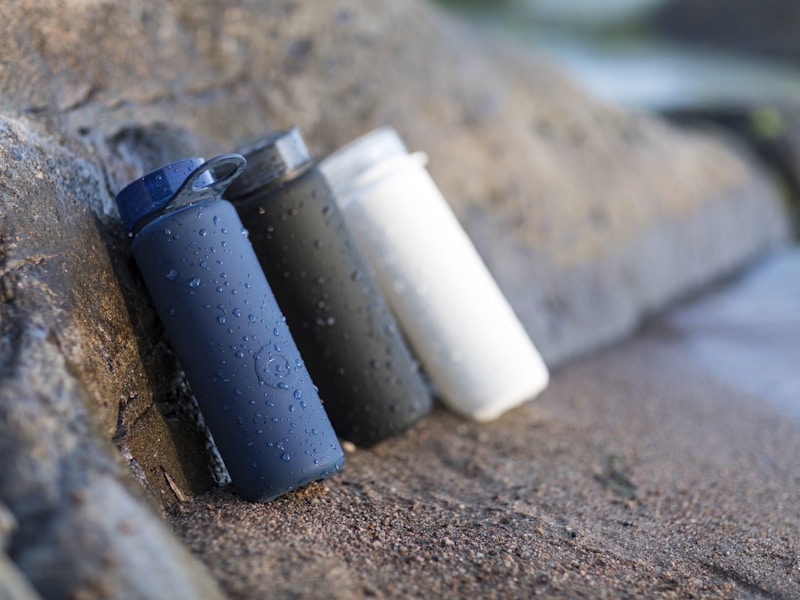
In regions where tap water is unsafe to drink, tourists often buy bottled water, resulting in hundreds of discarded plastic bottles. Investing in a high-tech purification bottle equipped with an electro-adsorptive media filter or UV-C purification technology allows you to drink safely from almost any tap, river, or well worldwide, completely eliminating plastic waste.
The Multi-Use Toolkit
Always pack a lightweight, reusable kit containing:
- A double-walled, vacuum-insulated stainless steel water bottle to keep drinks cold or hot for hours.
- A set of lightweight bamboo cutlery and a reusable straw to refuse plastic utensils on the go.
- A collapsible silicone food container for market trips, street food, or restaurant leftovers.
- A compact, ultra-lightweight cotton tote bag for spontaneous shopping excursions or laundry storage.
Conclusion: Cultivating a Mindful Packing Practice
Eco-friendly packing is not about purchasing an expensive suite of new green gadgets. It is a philosophy rooted in minimalism, resourcefulness, and intentionality. By making deliberate decisions about what we pack—and what we leave behind—we can protect fragile ecosystems, support ethical manufacturers, and lead by example.
The ultimate goal of the conscious traveler is to leave a destination exactly as they found it, preserving its natural beauty and cultural integrity for generations to come. Safe, sustainable travels await.