
The Paradox of Acceleration: Why Speed is Ruining Our Journeys
For the past half-century, the global tourism industry has operated under a single, unchallenged directive: faster, cheaper, further. The democratization of aviation transformed travel from an elite luxury into a mass-market commodity. However, this hyper-acceleration has extracted a devastating toll—not only on our planet but on the very essence of exploration. Enter slow travel, an intentional movement that rejects the frantic, bucket-list-checking itinerary in favor of deep, deliberate engagement with local environments. By skipping flights, slow travelers are not just reducing their environmental impact; they are fundamentally changing tourism for the better.
The Psychological Cost of Hyper-Mobility
When we board a flight in London and disembark in Rome two hours later, we experience a form of geographic dissociation. We have bypassed the space, the culture, the language transitions, and the landscapes that connect these two points of human civilization. This friction-free mobility feeds into ‘hurry sickness’—the perpetual urge to maximize output in minimal time. Slow travel, conversely, re-establishes the relationship between distance and time. It honors the transition, allowing the mind to acclimatize to new environments at a natural pace.
The Ecological Imperative: Deconstructing the Aviation Carbon Myth
To truly understand the value of flight-free travel, we must confront the harsh realities of aviation’s ecological footprint. While many industries are actively decarbonizing, aviation remains one of the most stubborn sources of greenhouse gas emissions worldwide.
- Radiative Forcing: It is not just about carbon dioxide. Jet engines emit water vapor, nitrogen oxides (NOx), and aerosols at high altitudes, producing contrails that trap heat. This non-CO2 warming effect (radiative forcing) makes aviation’s actual warming impact up to three times higher than its raw carbon emissions suggest.
- The Efficiency Illusion: While modern aircraft are more fuel-efficient than their predecessors, the sheer volume of global flights has wiped out these incremental gains. Offsetting schemes are largely performative, failing to address the immediate, systemic need for emissions reductions.
‘The most sustainable flight is the one you do not take. Choosing rail, ferry, or road over air travel is the single most impactful decision an individual traveler can make to curb their personal carbon footprint.’
By opting for maritime or rail infrastructure, travelers slash their emissions by up to 85% per kilometer. High-speed rail networks, particularly in Europe and East Asia, run increasingly on renewable energy grids, offering a genuinely low-carbon pathway across continental landmasses.
Economic Democratization: Distributing Wealth Beyond Hotspots
One of the most insidious side effects of cheap aviation is the concentration of tourist dollars in hyper-congested ‘hub cities.’ Low-cost carriers dump millions of visitors into specific destinations—Venice, Barcelona, Amsterdam—overwhelming local infrastructure, driving up housing costs, and pricing out residents. This phenomenon, known as overtourism, creates a highly extractive economy.
The Corridor Effect
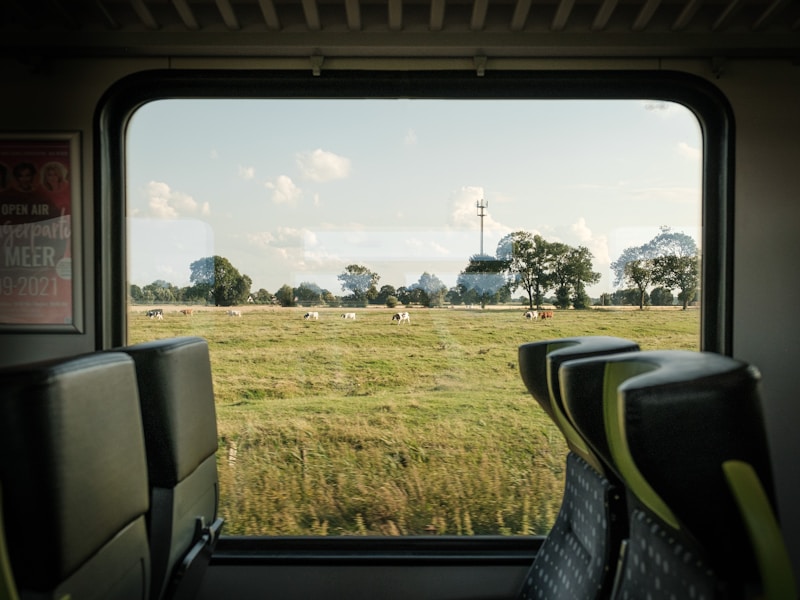
Slow travel actively combats this through what economists call the ‘corridor effect.’ When you travel by train, bus, or bicycle from Point A to Point B, your journey is not a vacuum. You stop at intermediary towns, eat at family-owned bistros in rural train stations, and stay in guesthouses far off the typical tourist grid. This redistributes economic benefits directly to communities that actually need them, rather than concentrating wealth within multinational airlines, massive cruise ports, and global hotel chains.
Reclaiming the Journey: Practical Frameworks for the Modern Slow Traveler
Transitioning to flight-free travel requires a shift in mindset and planning strategy. It demands that we view the journey as the destination itself, rather than a necessary evil to be endured.
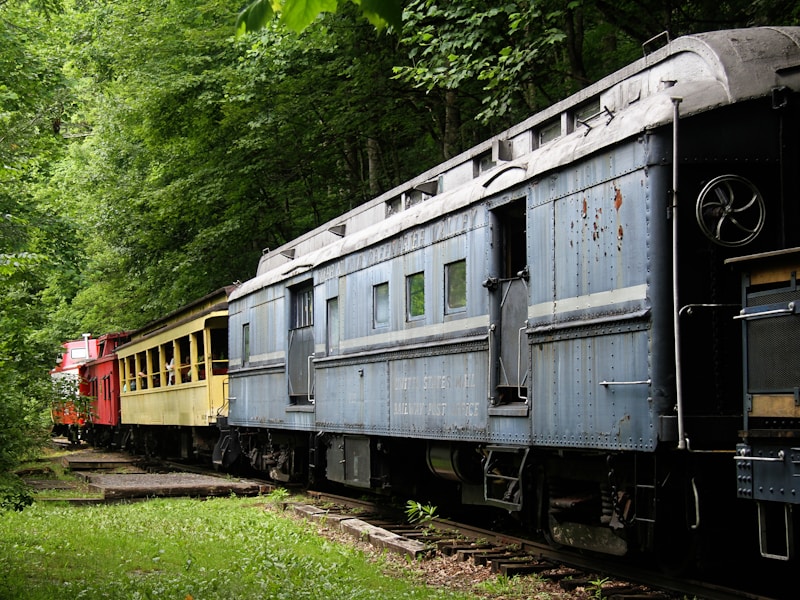
- Embrace the European and Asian Night Train Renaissance: Operators like Austria’s ÖBB Nightjet are leading a massive revival of sleeper trains. You can board a train in Munich, sleep comfortably in a private cabin, and wake up refreshed in Rome or Budapest. This saves the cost of a hotel night and eliminates airport transfer hassles.
- Utilize Multimodal Booking Platforms: Tools like Seat61, Rome2Rio, and Eurail map out intricate overland journeys, making it easy to coordinate trains, local buses, and regional ferries.
- Adopt the ‘One-Region’ Philosophy: Instead of trying to see three countries in ten days, choose a single valley, island chain, or historical rail line and explore it deeply. Walk, cycle, or use local transit to uncover the nuances of local culture.
Case Studies in Successful Overland Journeys
The Tokaido Corridor, Japan
While Japan is famous for its hyper-efficient Shinkansen (bullet trains), a slow travel approach encourages travelers to step off the high-speed lines and onto local, single-track scenic railways like the Hakone Tozan Line. This allows travelers to experience rural onsen towns, historic shrines, and local agricultural communities that are completely bypassed by high-speed tourism.
The Baltic Sea Maritime Route
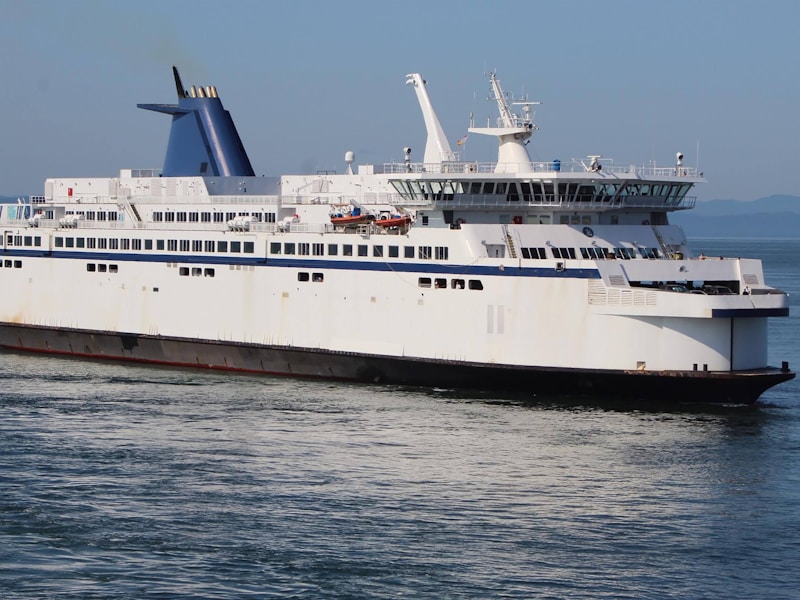
Traveling between Stockholm, Tallinn, and Helsinki via modern, wind-assisted passenger ferries offers a stunning, slow-paced maritime adventure. Instead of a sterile airport terminal, travelers navigate through thousands of forested islands in the Stockholm archipelago, experiencing the historical maritime pathways that defined Northern Europe for centuries.
Conclusion: The Future of Travel is Rooted, Respectful, and Slow
The rise of slow travel is not a temporary trend; it is a necessary course correction for global tourism. By choosing to skip flights, we reject the commodification of travel and reclaim our agency as mindful explorers. We trade the sterile, anxiety-inducing environment of airport security for the rhythmic clack of train tracks, the salty breeze of a ferry deck, and the unexpected conversations that only occur when we slow down. In doing so, we don’t just protect the planet—we rediscover the true, transformative magic of the journey.