


The Modern Traveler’s Dilemma: Wanderlust vs. Environmental Impact
For many of us, the desire to explore the world is deeply ingrained. We crave the vibrant energy of distant cities, the tranquility of remote beaches, and the perspective-shifting experiences that only international travel can provide. However, our wanderlust comes at a significant cost to the planet. The aviation industry is currently responsible for approximately 2.5% of global carbon dioxide (CO2) emissions. When factoring in other high-altitude warming effects, such as contrails and nitrogen oxides, aviation’s total contribution to global warming is estimated to be even higher.
While systemic solutions like electric aircraft and commercialized sustainable aviation fuels are on the horizon, they are still years—if not decades—away from widespread adoption. This leaves conscious travelers in a difficult position: How can we continue to explore the globe without exacerbating the climate crisis? This is where carbon offsetting comes in. As a transitionary tool, carbon offsets allow individuals to neutralize their unavoidable travel emissions by funding external projects that reduce or remove carbon from the atmosphere.
What is Carbon Offsetting and How Does It Work?
At its core, a carbon offset is a financial instrument representing the reduction, avoidance, or sequestration of one metric ton (1,000 kilograms) of carbon dioxide equivalent (CO2e). When you purchase a carbon offset, you are effectively paying someone else to capture, prevent, or store a specific amount of carbon on your behalf, balancing out the emissions generated by your flight.
It is helpful to conceptualize the atmosphere as a giant bathtub filling with water. Every flight you take turns on the tap. Purchasing a carbon offset is equivalent to scooping an equal amount of water out of the tub through a project somewhere else in the world. While it does not change the fact that your flight emitted greenhouse gases, it ensures that the net impact on the global atmosphere remains neutral.
Carbon Avoidance vs. Carbon Removal
Not all carbon offset projects are created equal. They generally fall into two primary categories:
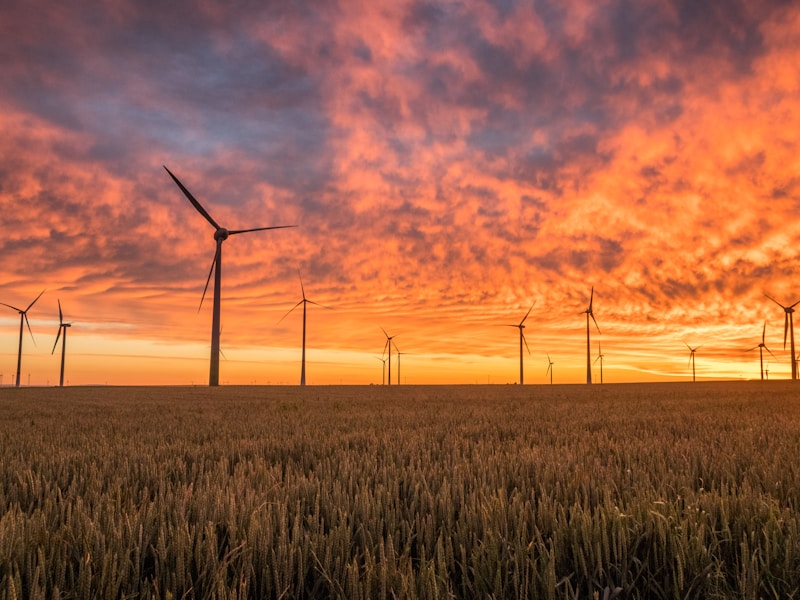
- Carbon Avoidance (Reduction) Projects: These initiatives prevent emissions that would have otherwise occurred. Examples include financing wind farms or solar arrays in regions heavily dependent on coal, distributing energy-efficient cookstoves to communities in developing nations, or protecting endangered rainforests from planned deforestation.
- Carbon Removal (Sequestration) Projects: These initiatives actively extract carbon dioxide directly from the atmosphere and store it long-term. Examples range from nature-based solutions like reforestation and soil carbon enhancement to technological solutions like bioenergy with carbon capture and storage (BECCS) and Direct Air Capture (DAC).
For beginners, supporting a mix of both avoidance and removal projects is often considered the most balanced approach to achieving near-term reductions and fostering long-term carbon storage technologies.

How to Calculate Your Flight’s Carbon Footprint
Before you can offset your emissions, you need to know how much carbon your flight will generate. Calculating a flight’s carbon footprint is not as simple as multiplying miles by a static emission factor. A precise calculation depends on several critical variables:
- Distance and Route: Paradoxically, short-haul flights are more carbon-intensive per mile than long-haul flights because takeoff and landing consume the most fuel. However, long-haul international flights generate a vastly higher total volume of emissions.
- Cabin Class: Premium cabins (Business and First Class) carry a significantly larger carbon footprint than Economy Class. This is because business and first-class seats occupy more physical space on the aircraft, meaning fewer passengers share the total fuel burden of the flight. A first-class passenger’s footprint can be up to three to nine times larger than an economy passenger’s on the same flight.
- Aircraft Efficiency: Modern, fuel-efficient aircraft like the Boeing 787 Dreamliner or Airbus A350 burn significantly less fuel per passenger-mile than older, quad-engine models like the Boeing 747.
- Radiative Forcing: Flying at high altitudes releases emissions directly into the upper atmosphere, amplifying their warming effect. High-quality carbon calculators apply a multiplying factor (usually between 1.7 and 2.0) called Radiative Forcing Index (RFI) to account for this non-CO2 warming impact.
To calculate your emissions, avoid relying solely on the estimations provided by airlines during the checkout process, as they often omit radiative forcing to make their footprints look smaller. Instead, use independent, scientific calculators such as the International Civil Aviation Organization (ICAO) Carbon Emissions Calculator, myclimate, or Atmosfair.
Evaluating Quality: How to Spot Greenwashing and Find Credible Offsets
The voluntary carbon market has historically faced criticism due to unregulated projects, exaggerated claims, and instances of greenwashing. To ensure your money is funding real, measurable climate action, you must evaluate projects against strict quality standards. Look for the following parameters:
- Additionality: This is the golden rule of carbon offsetting. A project is only additional if the carbon reduction or removal would not have occurred without the financial support of offset buyers. For example, if a forest was already legally protected, paying to keep it standing is not additional.
- Permanence: This refers to how long the carbon will remain sequestered. Tree planting projects have high risks of impermanence because forests can burn down, decay, or be logged, releasing the stored carbon back into the atmosphere. Technological solutions or highly monitored, long-term forest management schemes offer better permanence.
- No Leakage: Leakage occurs when a project reduces emissions in one area only to cause them to increase in another. For instance, protecting a forest in one region might simply drive loggers to move their operations to an adjacent, unprotected forest.
- Robust Verification: Never buy offsets from unverified projects. High-quality offsets are third-party audited and certified by internationally recognized standards bodies.
Always look for projects certified by premier standards: The Gold Standard (established by WWF and other NGOs), Verified Carbon Standard (VCS) by Verra, or the Climate Action Reserve. These registries assign unique serial numbers to every credit, ensuring they are retired once purchased and cannot be resold.
Step-by-Step Guide to Offsetting Your Next Flight
Ready to make your next international flight carbon-neutral? Follow this straightforward, actionable roadmap to maximize your positive impact:
Step 1: Choose your flight mindfully. Before you offset, minimize your baseline emissions. Opt for direct flights whenever possible (reducing takeoffs), fly economy class, and research which airlines operate the most modern, fuel-efficient fleets on your chosen route.
Step 2: Calculate your footprint. Open a credible calculator like Atmosfair. Enter your departure airport, layovers, final destination, and cabin class. Take note of the total metric tons of CO2e generated.
Step 3: Bypass the airline checkout box. While some airlines partner with reputable offset organizations, many offer opaque schemes that do not guarantee additionality. It is generally safer and more transparent to purchase offsets directly from verified third-party organizations.
Step 4: Select a high-quality project. Visit goldstandard.org or other reputable marketplaces. Choose a project that aligns with your personal values—whether that is a clean energy transition in India, clean water access in Rwanda, or community-based reforestation in Peru. Many projects also support the UN Sustainable Development Goals (SDGs) by creating local jobs and improving health outcomes.
Step 5: Complete the purchase and receive your certificate. Secure your offset credits. You will receive an official certificate showing that your specific quantity of carbon credits has been retired from the public registry on your behalf. Keep this documentation for your records!
Beyond Offsets: The Hierarchy of Sustainable Travel
It is crucial to remember that carbon offsetting is not a get-out-of-jail-free card. It should always be viewed as a last resort, not a primary strategy. True climate action requires adhering to the mitigation hierarchy: Avoid, Reduce, and then Offset.
Consider whether you can substitute a flight with a train journey, especially within Europe or East Asia where high-speed rail networks are world-class. When flying is unavoidable, offset the remaining impact with extreme care. Additionally, support systemic travel reforms by advocating for aviation policies that mandate Sustainable Aviation Fuel (SAF) and fund research into next-generation zero-emission flight technologies. By combining individual accountability with systemic advocacy, we can protect our beautiful planet while continuing to explore its wonders.