


The Shift from Extraction to Preservation: The Promise of Community-Based Tourism
For decades, traditional mass tourism has operated on an extractive model. Large multinational hotel chains, foreign-owned cruise lines, and international tour operators often capture the lion’s share of travel expenditures—a phenomenon economists call ‘tourism leakage.’ In some developing regions, up to 80% of every dollar spent by tourists leaves the host country. This leaves local communities with the environmental and social costs of tourism but very little of the economic benefit.
Community-Based Tourism (CBT) disrupts this legacy model. CBT is a form of sustainable tourism where local residents actively invite travelers into their communities, manage the tourism products themselves, and directly reap the economic rewards. Crucially, CBT links economic well-being directly to environmental stewardship. When a standing rainforest or a free-roaming wildlife population generates reliable, long-term income for a community, the economic incentive shifts dramatically from exploitation to preservation.
What Makes CBT Distinct?
Unlike standard ecotourism, which may simply involve a foreign-owned lodge operating in a natural area, CBT requires local ownership and governance. The community is not merely a source of cheap labor; they are the stakeholders, decision-makers, and primary beneficiaries. This structural difference transforms how conservation is funded and managed.
The Financial Anatomy of Conservation Through CBT
How exactly does your travel spend translate into a shield for endangered ecosystems? Let’s trace the financial pathway of a dollar spent on a community-based tourism initiative.

- Direct Income Substitution: In many biodiverse regions, locals face a stark choice between poaching, illegal logging, or subsistence agriculture to feed their families. CBT offers alternative livelihoods as guides, rangers, lodge managers, artisans, and chefs. When a former poacher earns a stable wage as a wildlife tracker, their intimate knowledge of the terrain is repurposed for conservation.
- Community Conservation Funds: A standard feature of CBT is the allocation of a percentage of all visitor fees into a communal fund. These funds are democratically managed by the community to pay for local priorities: schools, healthcare, clean water infrastructure, and critically, local conservation patrols.
- Land Stewardship Lease Agreements: In areas with collective land ownership, communities can lease their land to eco-lodges or set it aside as private conservancies. The lease payments provide a steady, weather-independent income stream that makes keeping land wild more profitable than clearing it for cattle ranching or monoculture farming.
‘When communities benefit economically from conservation, they become its fiercest protectors. Conservation cannot succeed without the consent and active participation of those who live alongside wildlife.’
Real-World Case Studies: CBT in Action
To understand the profound impact of community-based tourism, we can look at several highly successful models across the globe where travel dollars have directly reversed ecological decline.
The Maasai Mara Conservancies, Kenya
In Kenya, the establishment of conservancies adjacent to the Maasai Mara National Reserve has revolutionized wildlife conservation. Traditionally, pastoralist Maasai communities viewed wildlife as predators threatening their livestock or competitors for grazing land. By forming conservancies, landowners pooled their land and leased it to responsible tourism operators. The Maasai receive guaranteed monthly rental payments, regardless of tourism fluctuations, and retain grazing rights under managed plans. As a result, poaching has plummeted, wildlife corridors have been secured, and lion populations in these conservancies have rebounded dramatically.
The Community Baboon Sanctuary, Belize
Founded in 1985 by a group of local landowners and scientists, this grass-roots sanctuary protects the habitat of the endangered black howler monkey (locally called ‘baboon’). Over 200 private landowners in several villages pledged to preserve rainforest strips along riverbanks on their properties, maintaining vital canopy corridors. In return, landowners receive training and income from hosting tourists, guiding walks, and offering homestays. Today, the howler monkey population is thriving, proving that voluntary community agreements fueled by tourism can match the conservation outcomes of national parks.
The Human Dimension: Traditional Ecological Knowledge (TEK)
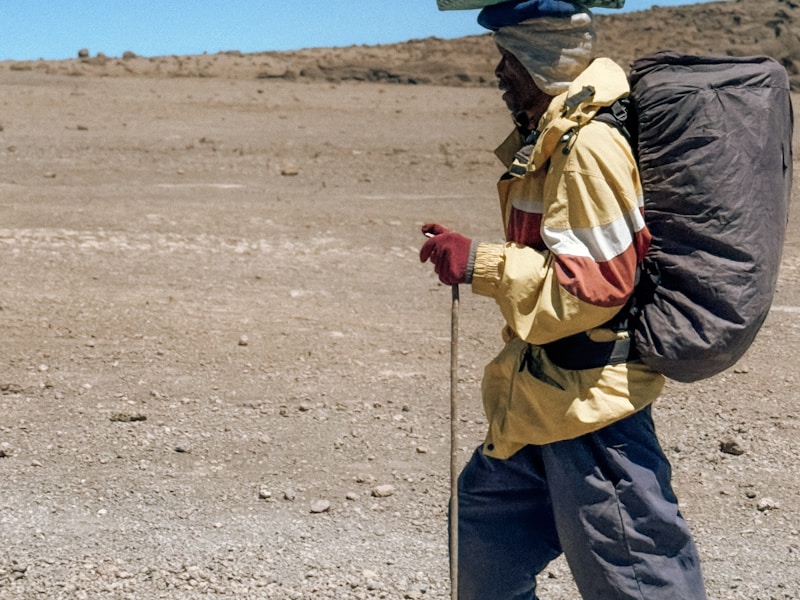
One of the most overlooked benefits of community-based tourism is the preservation of Traditional Ecological Knowledge (TEK). Indigenous and local communities have coexisted with their ecosystems for generations, developing highly sophisticated understandings of plant biology, animal behavior, and seasonal cycles.
When tourists pay to learn from local guides, they validate this ancient knowledge, elevating its status within the community itself. Younger generations, seeing their elders respected and compensated for their ecological expertise, are incentivized to learn these traditions rather than migrating to urban centers for work. This cultural continuity is vital, as indigenous-managed lands contain over 80% of the world’s remaining biodiversity.
How to Verify and Book Genuine Community-Based Tourism
As the demand for sustainable travel grows, so does ‘greenwashing’—the practice of making misleading claims about environmental credentials. To ensure your travel dollars actually support local conservation, use this checklist before booking:
- Look for transparent ownership: Does the operator clearly state who owns the lodge or runs the tour? Look for phrases like ‘community-owned,’ ‘locally managed,’ or partnership agreements detailing how profits are shared.
- Check for local employment: Are local people employed in leadership and managerial roles, or are they restricted to low-wage cooking and cleaning jobs?
- Verify community fund contributions: Check if a portion of your booking fee goes directly into a community development or conservation trust fund.
- Read independent reviews: Seek out reviews from travelers who have visited. Did they interact meaningfully with the local community, or was the ‘cultural experience’ staged and transactional?
- Seek reputable certifications: Look for endorsements from global bodies such as the Global Sustainable Tourism Council (GSTC), the Rainforest Alliance, or local sustainable tourism certificates.
Conclusion: The Future of Travel is Regenerative
The global biodiversity crisis demands that we rethink our relationship with the places we visit. Travel can no longer be about merely taking photos and leaving footprints. By consciously choosing community-based tourism, we transform ourselves from consumers into active partners in global conservation efforts. Your travel dollars have the power to protect endangered species, preserve ancient forests, and empower the traditional guardians of our planet. On your next journey, vote with your wallet for a sustainable, equitable, and regenerative future.