Introduction: The Age of the Infinite Sequel
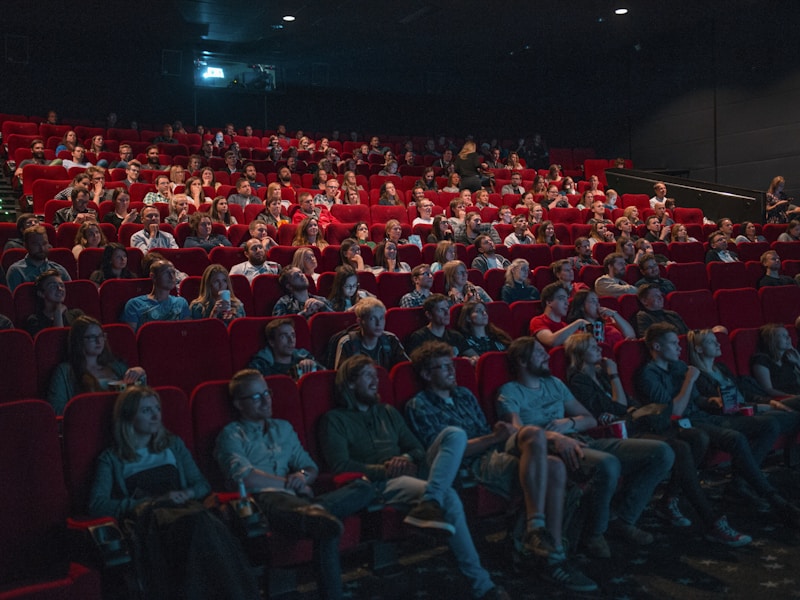
Step into any multiplex theater today, and you might feel as though you have stepped into a time machine. The marquees boast titles that dominated the cultural landscape twenty, thirty, or even forty years ago. From Star Wars and Indiana Jones to Jurassic Park and The Matrix, Hollywood appears to be locked in a loop of perpetual recurrence. The modern box office is no longer driven by star power or original concepts; it is governed by Intellectual Property (IP).
“Nostalgia is a powerful drug. It distorts our memory of the past while making us desperately crave its return in the present.”
This shift raises a fundamental question: Why has the film industry become so deeply risk-averse, and why are audiences consistently willing to buy tickets for stories they have already seen in different iterations? This comprehensive analysis explores the psychological, financial, and cultural mechanics of the nostalgia trap.
1. The Psychological Anchor: Why Our Brains Crave the Familiar
To understand the dominance of the reboot, we must first understand the human brain. Nostalgia is not merely a passive emotion; it is a powerful neurological mechanism. Psychologists have long studied the “reminiscence bump”—the tendency for older adults to have increased recollection for events that occurred during their adolescence and early adulthood (typically between ages 10 and 25).
During these formative years, our identity is shaped, and the media we consume—movies, music, and video games—becomes deeply intertwined with our sense of self. When a studio releases a sequel to a film from our childhood, they are not just selling a two-hour movie; they are selling a ticket back to a time when our lives were simpler, less stressful, and full of potential. This emotional safety valve is especially potent during periods of socio-economic anxiety, acting as a form of collective psychological comfort food.
2. The Economics of Risk Mitigation: The $200 Million Gamble
While the psychological appeal of nostalgia explains audience demand, the economics of modern Hollywood explain the supply side. Making movies has never been more expensive. Today, a standard studio blockbuster requires a production budget of $150 million to $250 million, with an equivalent amount spent on global marketing and distribution.

At this scale, a single box-office failure can destabilize an entire studio. Consequently, executives have abandoned the “star-driven” model of the 1990s and early 2000s in favor of “pre-awareness.” If an audience is already familiar with a brand, the cost of educating them about the film’s premise is drastically reduced. A sequel or spin-off comes with built-in market awareness, reducing the marketing spend required to convince viewers to buy a ticket.
3. The Global Market and the Visual Language of IP
The globalization of the theatrical market has further cemented the reign of the franchise. Today, the international box office frequently accounts for 60% to 70% of a film’s total gross. To appeal to highly diverse, multi-lingual audiences around the globe, Hollywood has leaned heavily into visual spectacle, action-oriented narratives, and universally understood archetypes.
- Universal Archetypes: Superheroes, giant monsters, and space explorers require less cultural context to understand than localized comedies or nuanced dramas.
- Pre-Existing Global Footprint: Global brands like LEGO, Marvel, and Harry Potter have established fan bases across Asia, Europe, and Latin America, minimizing international marketing hurdles.
- Spectacle-Driven Media: High-concept, CGI-heavy action films translate flawlessly across language barriers, making them safer international investments.
4. Case Studies: Successful Revival vs. Franchise Fatigue
Not all nostalgia plays are created equal. The market has witnessed both spectacular triumphs and cautionary tales of diminishing returns.
The Triumph: Top Gun: Maverick (2022)
Top Gun: Maverick is the gold standard of modern legacy sequels. Instead of simply repeating the beats of the 1986 original, the film respected its history while pushing the boundaries of practical filmmaking. It appealed to the older generation’s nostalgia while capturing the attention of younger audiences through breathtaking, real-life aerial action sequences. It merged nostalgia with genuine cinematic innovation.
The Warning: Indiana Jones and the Dial of Destiny (2023)
Conversely, Indiana Jones and the Dial of Destiny illustrated the limits of the nostalgia trap. Despite featuring a beloved character and a legendary lead actor, the film struggled to find a modern footing. Heavy reliance on digital de-aging and a lack of creative novelty left audiences feeling that the franchise had run its course. It demonstrated that nostalgia alone cannot sustain a film if the core novelty and cultural urgency are missing.
5. The Displacement of the Mid-Budget Movie
The collateral damage of the blockbuster-or-bust mentality is the death of the mid-budget movie. Dramas, romantic comedies, and original thrillers—historically budgeted between $15 million and $50 million—have largely been squeezed out of movie theaters. These stories have migrated almost exclusively to subscription video-on-demand (SVOD) platforms like Netflix, Apple TV+, and HBO Max.
This migration has left theatrical spaces exclusively to massive IP events, creating a self-fulfilling prophecy: audiences only go to the theater for spectacle, so studios only make spectacle for theaters. This loop starves original, mid-budget storytelling of theatrical prestige, narrowing the cultural scope of mainstream cinema.
6. Actionable Strategies for Consumers and Creators
How do we break free from the stagnation of the nostalgia trap? It requires intentional actions from both film consumers and storytellers.
- Vote with Your Wallet: If you want original cinema, you must support it in theaters during its opening weekend. Support independent distributors like A24, NEON, and Searchlight.
- Support Local Film Festivals: Cultivate an appreciation for non-mainstream narratives by attending local film festivals, which act as critical launchpads for original voices.
- For Creators – The “Stealth” Original: Aspiring filmmakers and writers can find success by framing original ideas within familiar genre frameworks, disguised as high-concept hooks that appeal to risk-averse executives.
Conclusion: Finding the Balance Between Comfort and Creation
Nostalgia is a natural and beautiful human emotion. There is no shame in enjoying the return of beloved characters or visiting worlds that brought us joy in our youth. However, a healthy cinematic culture requires a balance between looking backward and moving forward. For the medium of cinema to survive and evolve, we must allow room for the classics of tomorrow to be created today. Only by taking risks on original ideas can we hope to build a cultural legacy that future generations will look back on with their own sense of nostalgia.