
The Paradigm Shift: From Physical Stadiums to Virtual Servers
For nearly a century, the formula for live music entertainment remained largely unchanged: an artist booked a venue, fans purchased physical or digital tickets, and everyone gathered in a shared physical space to experience sound waves bouncing off physical walls. However, the rapid convergence of high-speed internet, real-time 3D rendering engines, and global gaming ecosystems has birthed a radical new frontier: the metaverse concert.
What began as experimental tech demos has quickly evolved into a multi-million-dollar industry. When Travis Scott performed his Astronomical concert inside Epic Games’ Fortnite in 2020, it attracted over 12 million concurrent players. This was not merely a livestreamed video of a performer sitting in front of a webcam; it was a fully interactive, three-dimensional, gravity-defying spectacle that transformed the audience from passive viewers into active participants. Today, virtual venues are no longer temporary alternatives born of necessity; they are pioneering a permanent shift in how we define collective human experience.
The Technological Engine Behind Virtual Performances
Hosting a live event for millions of globally dispersed users simultaneously requires an incredibly sophisticated technological stack. Unlike traditional video streaming, which delivers a pre-rendered video file to a screen, metaverse concerts require real-time synchronization of physics, graphics, audio, and player interactions.
1. Real-Time 3D Engines (Unreal Engine & Unity)
The backbone of any virtual venue is the game engine. Unreal Engine and Unity allow designers to build massive, interactive landscapes that react dynamically to the music. Performers can be rendered as towering giants, landscapes can warp from underwater trenches to deep space in the blink of an eye, and pyrotechnics can be generated without any real-world safety risks.
2. Motion Capture (Mocap) and Volumetric Video
To preserve the unique physical charisma of a live artist, performers wear high-fidelity inertial or optical motion capture suits. Their real-time movements, facial expressions, and gestures are captured and mapped instantly onto their digital avatars. This ensures that every strum of a guitar or dance step feels authentic and expressive to the virtual audience.
3. Spatial Audio and Server Orchestration
One of the most critical elements of live music is the auditory atmosphere. Spatial audio algorithms simulate how sound behaves in a real space, changing dynamically based on where the user’s avatar is positioned relative to the stage. Furthermore, state-of-the-art server hosting technologies shard millions of concurrent users into regional instances, allowing everyone to experience the same concert smoothly without crashing the network.

“Virtual venues do not replace the physical world; they liberate the artist from the laws of physics, allowing them to perform inside of their own imagination.”
The Economic Revolution of Virtual Touring
For artists and record labels, the economic arguments in favor of metaverse concerts are incredibly compelling. Traditional touring is a logistical and financial nightmare involving massive carbon footprints, complex border crossings, equipment transport, physical venue rental fees, and limited ticket inventory determined by fire codes.
- Infinite Scalability: A physical stadium maxes out at roughly 80,000 to 100,000 people. A virtual venue has no physical limits. An artist can perform to tens of millions of fans in a single evening.
- Digital Merchandising: The real gold rush in the metaverse lies in direct-to-avatar (D2A) commerce. Fans routinely purchase limited-edition virtual skins, emotes, digital t-shirts, and virtual instruments. Because digital assets have near-zero marginal cost of production, profit margins are exceptionally high.
- Democratized Global Access: Fans living in remote regions, or those who cannot afford expensive stadium tickets and travel expenses, can suddenly attend premier global events for a fraction of the cost—or even for free.
Major Platforms Leading the Digital Stage
The landscape of virtual venues is currently dominated by massive gaming platforms and dedicated web3 spaces, each offering distinct advantages for artists and audiences:
Fortnite (Epic Games)
Fortnite remains the gold standard for cinematic, narrative-driven virtual events. Rather than mimicking a real-world stage, Epic Games constructs custom worlds around the artist’s aesthetic, creating highly curated, roller-coaster-like narrative experiences featuring massive artists like Ariana Grande, Kid Cudi, and Eminem.
Roblox
Targeting a younger, highly engaged demographic, Roblox specializes in persistent virtual spaces where artists can build permanent fan hubs. Performances by Lil Nas X and Twenty One Pilots on Roblox integrated interactive mini-games, virtual scavenger hunts, and exclusive digital fashion drops directly into the concert experience.
Decentraland and Sandbox
For artists looking to leverage decentralized Web3 ownership, blockchain-based virtual worlds provide a playground for token-gated VIP lounges, NFT ticket stubs, and virtual land ownership, giving creators direct, unmediated control over their communities and monetization.
The Challenges: Why Physical Concerts Aren’t Dead Yet
Despite the meteoric rise of virtual venues, they are not yet poised to fully replace physical concerts. Several major hurdles must be overcome before the metaverse can capture the true essence of live entertainment:
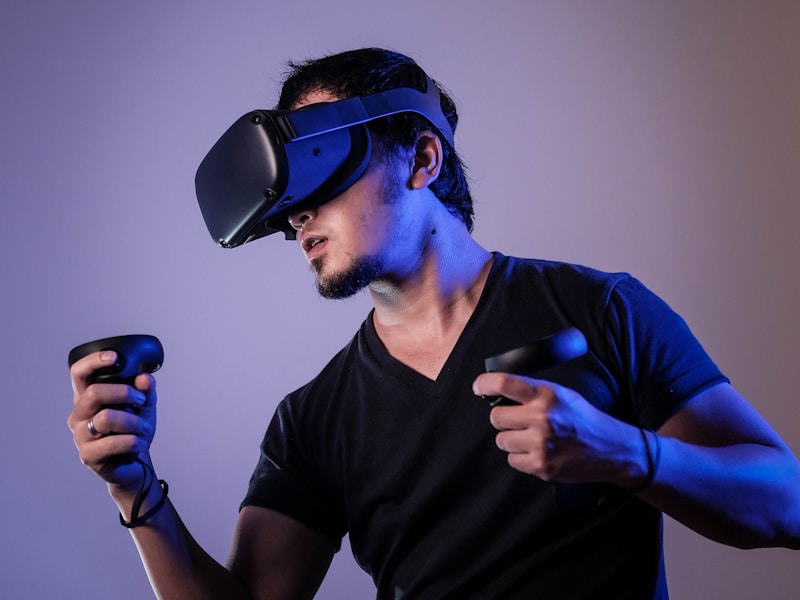
The Human Connection: A crucial component of a live concert is the somatic feedback loop—the literal vibration of the bass shaking your chest, the smell of sweat, and the collective energy of thousands of voices singing in unison. Haptic feedback vests and virtual reality headsets are advancing, but they cannot yet perfectly replicate the visceral reality of a crowded stadium.
The Digital Divide: High-fidelity virtual concerts require robust internet connections and expensive hardware, such as gaming PCs, next-gen consoles, or VR headsets. Until high-speed internet and rendering-capable devices are universally accessible, a significant portion of the global population remains excluded.
The Hybrid Future: ‘Phygital’ Live Experiences
Rather than a complete transition to purely digital spaces, the future of live entertainment likely belongs to a hybrid, or ‘phygital,’ model. We are already seeing the emergence of mixed reality (MR) and augmented reality (AR) technologies integrating into physical arenas.
Imagine attending a physical concert while wearing lightweight AR glasses that project digital dragons flying over the crowd, or visual lyrics swirling around the lead singer in real time. Conversely, physical artists will continue to stream volumetric holograms of themselves to multiple satellite venues worldwide, blending the physical presence of a local crowd with the global reach of a digital performer.
Actionable Advice for Artists and Creators Venturing into the Metaverse
- Focus on Interactivity over Observation: Do not just stream a video of yourself. Leverage the interactive nature of the medium by letting the audience vote on the next song, influence the visual theme, or participate in mini-games.
- Prioritize Digital Fashion: Invest heavily in the aesthetic appeal of your virtual merchandise. Your digital skins, wings, and emotes are the badges of honor your fans will wear across the digital landscape long after the concert ends.
- Start Small with Emerging Platforms: You do not need a Fortnite budget to start. Platforms like VRChat, Rec Room, and AltspaceVR offer accessible tools for indie artists to host intimate virtual shows and build global grassroots communities.
Conclusion: A New Canvas for Human Expression
Are metaverse concerts the absolute future of live entertainment? The answer is a nuanced yes. While they will never fully replace the magic of physical proximity and real-world acoustic spaces, virtual venues have permanently shattered the physical constraints of live music. They have democratized access to world-class performances, unlocked unprecedented creative canvases for artists, and created highly profitable new economies. The metaverse is no longer just a digital playground—it is the newest, largest, and most dynamic stage in the world.