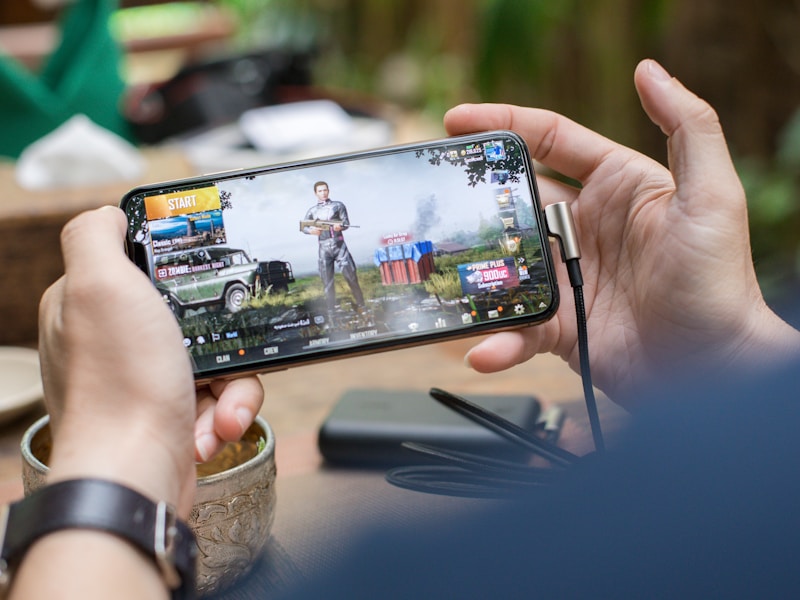
Introduction: The Handheld Revolution
For decades, competitive gaming was synonymous with towering desktop rigs, customized mechanical keyboards, and high-performance consoles. The idea of professional gaming on a device that fits in your pocket was dismissed by traditionalists as a casual novelty. Today, that perception has been completely shattered. Mobile esports has transitioned from a niche segment into an absolute juggernaut, commanding larger audiences, massive prize pools, and unmatched levels of engagement across the globe.
The statistics are staggering. While Western markets have historically favored PC and console setups, regions like Southeast Asia, Latin America, South Asia, and China have leapfrogged traditional gaming platforms entirely. Powered by high-speed mobile internet and affordable smartphones, mobile esports titles now routinely break viewership records and draw millions of concurrent viewers to competitive tournaments. In this comprehensive analysis, we explore the deep structural shifts, key titles, and technological advancements driving the rise of mobile esports.
The Democratization of Competitive Gaming
The core catalyst behind the mobile gaming explosion is accessibility. To participate in high-level PC or console esports, a player historically required an investment of anywhere from $1,000 to $3,000 for hardware, peripherals, and a high-speed fiber connection. Mobile gaming drastically lowers this financial barrier to entry.
The Low Barrier to Entry
Almost everyone in the modern world owns a smartphone. Today’s mid-range devices are equipped with powerful multi-core processors, capable graphics processing units, and high-refresh-rate screens, allowing them to run highly competitive games flawlessly. Esports is no longer a privilege of affluent gamers in developed countries; anyone with a decent smartphone and a Wi-Fi connection can theoretically become a global champion.
Global Reach in Mobile-First Markets
In developing economies, the smartphone is the primary computing device. Countries like India, Brazil, Indonesia, and Vietnam have skipped the personal computer era and jumped straight into the mobile era. Consequently, developers who built competitive titles specifically optimized for mobile devices captured an untapped market of billions of passionate gamers. This demographic shift has created highly localized, fiercely loyal fanbases that rivals traditional sports networks in size.
The Titans of Mobile Esports: Key Titles Driving the Revolution
Several landmark titles have established themselves as the foundations of the mobile esports ecosystem. These games have developed complex competitive metas, massive global tournament structures, and highly professionalized team organizations.

1. PUBG Mobile and Free Fire: The Battle Royale Giants
The battle royale genre found its perfect home on mobile platforms. Tencent’s PUBG Mobile and Garena’s Free Fire have dominated international charts for years. While PUBG Mobile focuses on realistic tactical military simulation, Free Fire optimized its performance for lower-end devices, finding massive success in Latin America and Southeast Asia. These titles boast massive prize pools, with the PUBG Mobile Global Championship (PMGC) offering millions of dollars annually.
2. Mobile Legends: Bang Bang and Arena of Valor: MOBA on the Go
Multiplayer Online Battle Arenas (MOBAs) are notorious for their steep learning curves and long match times. Titles like Moonton’s Mobile Legends: Bang Bang (MLBB) and Tencent’s Arena of Valor solved this issue by redesigning the classic MOBA experience for mobile. By shortening match times to 15-20 minutes and introducing intuitive touch controls, these games have become cultural phenomena, particularly in Southeast Asia, where the MLBB Professional League (MPL) regularly sells out physical stadiums.
3. Honor of Kings: The Billion-Dollar Behemoth
Originally developed for the Chinese market, Honor of Kings is arguably the most lucrative mobile game of all time. Its esports scene, headlined by the King Pro League (KPL), features production values that rival or even exceed Western PC esports leagues, demonstrating the enormous commercial viability of dedicated handheld competitive gaming.
Technological Catalysts: Infrastructure and Hardware Leap
The exponential growth of mobile esports would not have been possible without rapid parallel advancements in mobile technology and network infrastructure.
“The intersection of 5G connectivity, advanced mobile chips, and cloud infrastructure has turned mobile devices into portable consoles capable of processing complex game mechanics with zero latency.”
The 5G Revolution
In competitive gaming, milliseconds determine the boundary between victory and defeat. The rollout of 5G networks globally has significantly reduced latency (ping), providing players with the stable, high-speed connections required for real-time competitive gameplay on the go. This has made mobile esports leagues highly viable to run in outdoor arenas and remote environments without relying on complex physical LAN cabling.
Gaming-Specific Hardware
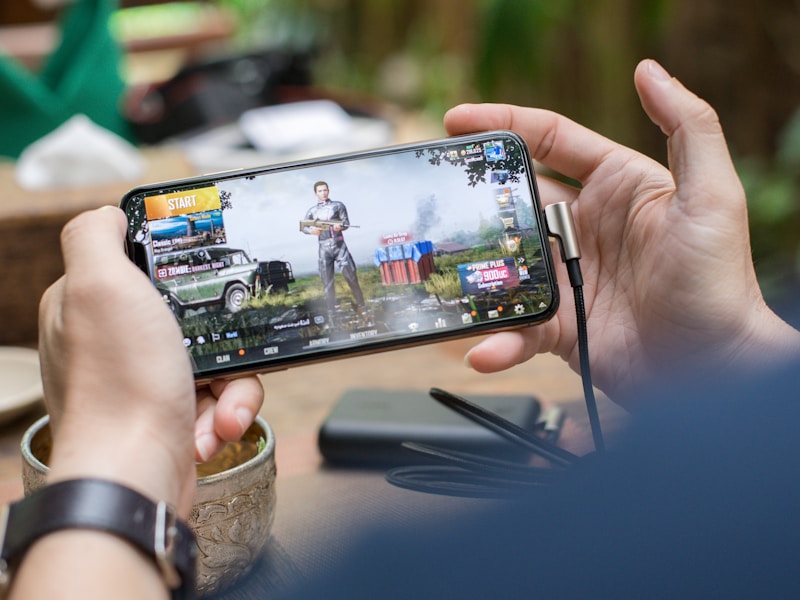
The market has responded to the mobile esports demand by producing dedicated gaming smartphones. Brands like ASUS (ROG Phone), RedMagic, and Black Shark offer devices featuring physical shoulder triggers, advanced cooling systems to prevent thermal throttling, and screens with refresh rates up to 165Hz. This level of hardware optimization has elevated the mechanical skill ceiling of mobile players, making pro-level play highly entertaining to watch.
The Economic Engine: Monetization and Sponsorships
The monetization model of mobile esports is built on a free-to-play (F2P) foundation, making games highly viral. Revenue is generated through cosmetics, battle passes, and microtransactions that do not compromise competitive integrity. This model has proven immensely profitable, providing developers with the resources to fund massive global tournament structures.
Furthermore, non-endemic brands have noticed the massive reach of mobile esports. Automotive giants, major telecommunication companies, and consumer goods brands are redirecting their marketing budgets away from traditional sports and toward mobile esports tournaments. Leagues are securing premium broadcasting partnerships with platforms like YouTube Gaming, TikTok, and localized streaming apps, further validating the commercial viability of the sector.
Strategic Advice for Navigating the Mobile Esports Landscape
Whether you are a developer, a brand marketer, or an aspiring esports professional, here is how you can leverage this growing industry:
- For Game Developers: Prioritize optimization for low-to-mid-tier devices. A competitive game must run smoothly across a wide range of hardware to build a massive player base. Additionally, build robust observer tools and spectator modes into your client early.
- For Brands and Marketers: Look beyond traditional channels. Focus sponsorships on localized mobile leagues in regions like LATAM and APAC where engagement rates are exceptionally high. Invest in interactive, in-game branded content rather than simple banner ads.
- For Aspiring Players: Consistency and content creation are key. Because mobile esports is highly accessible, the talent pool is exceptionally competitive. Supplement your mechanical grind by streaming and creating short-form content on platforms like TikTok and YouTube Shorts to build a personal brand.
Conclusion: The Future is Handheld
The rise of mobile esports is not a passing trend; it is a permanent paradigm shift in the global entertainment landscape. By breaking down financial barriers, embracing mobile-first economies, and leveraging cutting-edge hardware innovations, mobile gaming has successfully democratized competitive play. As mobile devices continue to match the capabilities of traditional gaming hardware, the line between mobile and traditional esports will continue to blur, establishing handheld gaming as the dominant force in global entertainment.