
The Paradigm Shift in Sports: When Strength Means Speaking Up
For decades, elite athletics operated under an unwritten code of absolute stoicism. Athletes were conditioned to view vulnerability as weakness, pain as something to be ignored, and psychological struggles as flaws in character. The prevailing mantra was simple: “tough it out.” However, a quiet revolution has transformed the landscape of professional sports. Today, some of the world’s most dominant athletes—from gymnastics icon Simone Biles and tennis champion Naomi Osaka to swimming legend Michael Phelps and NBA star Kevin Love—are redefining what it means to be strong.
“I had to put my mental health first because if you don’t, then you’re not going to enjoy your sport and you’re not going to succeed as much as you want to.” — Simone Biles
This shifting narrative marks the rise of mental fitness—the proactive training of cognitive and emotional capacities to improve performance, build resilience, and maintain psychological well-being. No longer seen as merely the absence of mental illness, mental fitness is now treated with the same scientific rigor, coaching resources, and daily dedication as physical conditioning. If the world’s most resilient physical specimens need to actively train their minds, what does that mean for the rest of us?
The Neuroscience of Mental Fitness: Why It Matters
To understand why elite athletes are prioritizing mental fitness, we must look at the brain. High-stress environments—whether a packed Olympic stadium or a high-stakes corporate boardroom—trigger the body’s evolutionary fight-or-flight response. The amygdala sounds the alarm, flooding the system with cortisol and adrenaline, which can hijack the prefrontal cortex, the seat of decision-making, focus, and emotional regulation.
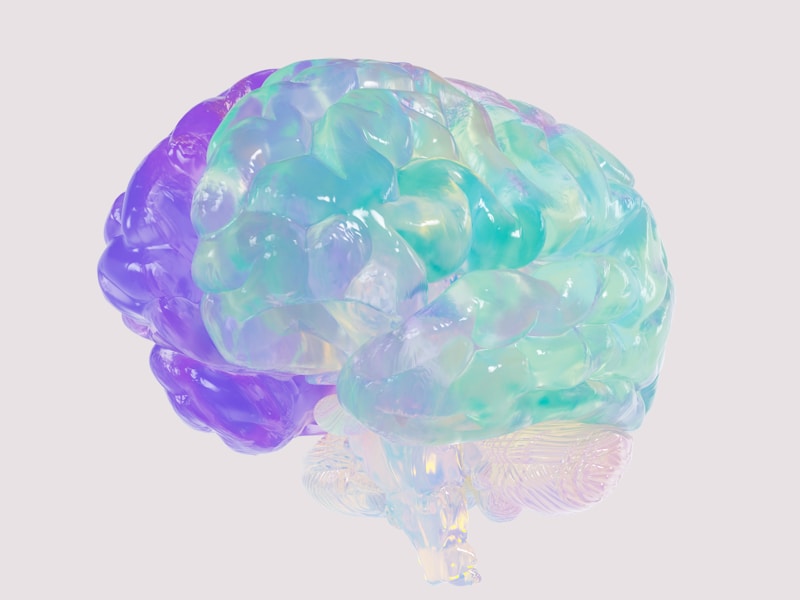
Through mental fitness training, individuals can strengthen the neural pathways that allow the prefrontal cortex to remain in control during moments of high pressure. Research in neuroplasticity proves that the brain can restructure itself based on repeated experiences. Key physiological indicators of this balance include:
- Heart Rate Variability (HRV): A higher HRV indicates a resilient autonomic nervous system that can easily transition from stress (sympathetic) to recovery (parasympathetic).
- Cognitive Flexibility: The ability to quickly shift strategies when circumstances change unexpectedly, a hallmark of both elite sports and modern careers.
- Attentional Control: The capacity to filter out external noise and focus solely on the task at hand.
Elite Psychological Strategies You Can Use
Pro athletes do not just wait for stress to happen; they actively build a psychological toolkit. Here are the core strategies used by elite competitors to maintain their edge:

1. Visual Motor Rehearsal (Imagery)
Elite athletes don’t just visualize winning; they mentally rehearse the exact steps, physical sensations, and potential obstacles they will encounter. Neuroimaging shows that when you vividly imagine an action, the same neural networks fire as when you physically perform it. You can apply this by mentally walking through an upcoming presentation, anticipating questions, and picturing yourself delivering answers with calm confidence.
2. Arousal Reappraisal (Flipping Anxiety to Excitement)
When you feel your heart racing before a major event, the natural instinct is to try to calm down. However, sports psychologists teach athletes arousal reappraisal. Because anxiety and excitement share the exact same physiological markers (elevated heart rate, rapid breathing, heightened focus), it is far easier to convince your brain that you are excited rather than calm. Simply telling yourself, “I am excited for this opportunity,” can dramatically shift your performance metrics.

3. Mindfulness and the Flow State
Flow state, or being “in the zone,” occurs when self-consciousness drops to zero and action merges with awareness. Athletes train this state using mindfulness meditation, which strengthens the brain’s default mode network. By practicing daily mindfulness—even for just five minutes—you train your mind to remain anchored in the present moment, rather than dwelling on past mistakes or fearing future outcomes.
How to Build Your Own Mental Fitness Routine
You don’t need a team of sports psychologists to train your brain. Here is an actionable framework to build a daily mental fitness routine:
- Start with a Daily Mental Audit: Before opening your laptop, rate your mental energy on a scale of 1-10. Identify immediate stressors and allocate your cognitive bandwidth accordingly.
- Practice Box Breathing: Used by Navy SEALs and athletes alike, inhale for 4 seconds, hold for 4, exhale for 4, and hold for 4. This simple loop instantly activates the parasympathetic nervous system to lower acute anxiety.
- Set Boundaries for Active Recovery: Elite athletes understand that recovery is where growth happens. Schedule non-negotiable windows for cognitive decompression—such as a 30-minute screen-free walk or unstructured creative play.
Conclusion: The Ultimate Competitive Edge
The mental fitness revolution has permanently shattered the myth that high performance requires sacrificing emotional health. By adopting the same proactive psychological strategies used by elite athletes, you can build a resilient mind capable of thriving in any high-pressure environment. True strength isn’t about never feeling overwhelmed; it is about having the training, self-awareness, and tools to navigate the storm and return to center.