
Introduction: The Changing of the Guard in Hollywood
For nearly two decades, the superhero genre reigned as the undisputed king of global entertainment. Guided by Marvel’s cinematic universe model and DC’s dark, auteur-driven epics, comic book movies became the primary engine driving box office revenue and cultural conversation. Today, however, we are witnessing a profound structural realignment. As box office receipts for superhero franchises signal creeping fatigue, a new contender has risen to claim the cultural throne: video game adaptations.
Once considered a creative graveyard, the pipeline from console to screen is now producing critical masterpieces, award-winning prestige television, and billion-dollar blockbusters. From the emotional intensity of HBO’s The Last of Us to the kinetic energy of Illumination’s The Super Mario Bros. Movie and the retro-futuristic world-building of Prime Video’s Fallout, video games have officially become Hollywood’s most valuable intellectual properties. This deep dive explores why video games are replacing comic books as the new foundation of mainstream cinema and television, and what this transition means for the future of storytelling.
1. The Rise of Superhero Fatigue vs. The Maturity of Gaming
The Saturation of Comic Book Cinema
To understand the ascent of gaming IP, one must first analyze the decline of its predecessor. The superhero genre’s golden era was built on interconnected continuity. While this model initially drove unprecedented audience loyalty, it ultimately created a high barrier to entry. Audiences now face homework-like commitments, needing to watch dozens of films and streaming spin-offs to understand a single movie’s plot. Coupled with formulaic visual effects and narrative stakes that feel perpetually inflated yet emotionally empty, “superhero fatigue” transitioned from an industry myth into a quantifiable reality.
The Golden Age of Narrative Gaming
While Hollywood was busy perfecting its franchise formulas, the gaming industry was undergoing a quiet narrative revolution. Video games grew up. The generations who grew up on simple 8-bit platforms are now adults, and the medium has evolved alongside them. Modern games are no longer mere distractions; they are complex, character-driven narratives that rival classic literature and prestige cinema.
Titles like Red Dead Redemption, The Last of Us, and Cyberpunk 2077 offer hundreds of hours of deep, interactive world-building. Because players spent weeks inhabiting these characters—making choices, experiencing loss, and navigating complex morality—their emotional connection to these worlds is vastly deeper than the passive relationship audiences have with cinematic heroes. Hollywood has realized it no longer needs to write great stories from scratch; the gaming industry has already written them, stress-tested them against millions of consumers, and built built-in global fandoms around them.

2. Why Video Games Offer Superior IP for Modern Entertainment
The pivot to gaming IP is not a temporary trend; it is a logical response to the structural needs of modern media companies. Video games possess unique advantages that make them uniquely suited for adaptation in the streaming era.
- Active vs. Passive Engagement: Traditional media creates passive viewers. Games turn players into active participants. When a gamer watches a film adaptation of their favorite game, they aren’t just watching a story; they are revisiting a world where they lived, fought, and explored. This creates an unparalleled level of brand loyalty.
- Prestige Television Adaptation Capacity: Many modern video games are too vast for a standard two-hour film. The rise of prestige streaming platforms (HBO, Amazon Prime, Netflix) has provided the perfect canvas. Multi-episode formats allow showrunners to respect the slow-burn pacing, detailed lore, and character development of games like Fallout without rushing the narrative.
- Diverse Genres and Aesthetics: Comic books are fundamentally bound to the superhero archetype, regardless of tone. Video games, conversely, span every genre imaginable: post-apocalyptic survival (The Last of Us), neon-drenched cyberpunk (Edgerunners), historical epics (Ghost of Tsushima), high fantasy (The Witcher), and cosmic horror (BioShock). This versatility prevents creative stagnation.
“Video games are a unique medium where the audience isn’t just watching a story unfold—they are active participants in its resolution. Translating that feeling of agency into passive narrative emotion is the holy grail of modern adaptation.”
3. Case Studies in Success: Breaking the “Video Game Curse”
For decades, the “video game movie curse” was an accepted industry truth, born from poorly received 90s and 00s adaptations that ignored their source material. Today, a new wave of creators has shattered this curse by treating the medium with artistic respect.
The Last of Us (HBO): The Triumph of Fidelity
By partnering original game creator Neil Druckmann with acclaimed screenwriter Craig Mazin (Chernobyl), HBO did the unthinkable: they treated a video game adaptation as serious, prestigious television. The series preserved the heart-wrenching narrative of Joel and Ellie while using the medium of television to expand upon side characters (such as the critically acclaimed episode ‘Long, Long Time’). It proved that when treated with artistic reverence, gaming narratives can win Primetime Emmys and dominate cultural discourse.
Fallout (Prime Video): The Power of Expanded Lore
Instead of adapting the exact plot of a specific game, Kilter Films and Jonathan Nolan opted to tell an original story set within the established canon of the Fallout universe. This strategic decision respected the nature of the games—which are open-world RPGs where every player has a unique journey. By introducing fresh characters (Lucy, the Ghoul, and Maximus) while maintaining the franchise’s signature retro-futuristic, darkly comedic tone, the series appealed equally to die-hard fans and complete newcomers.
The Super Mario Bros. Movie (Illumination): Universal Family Appeal
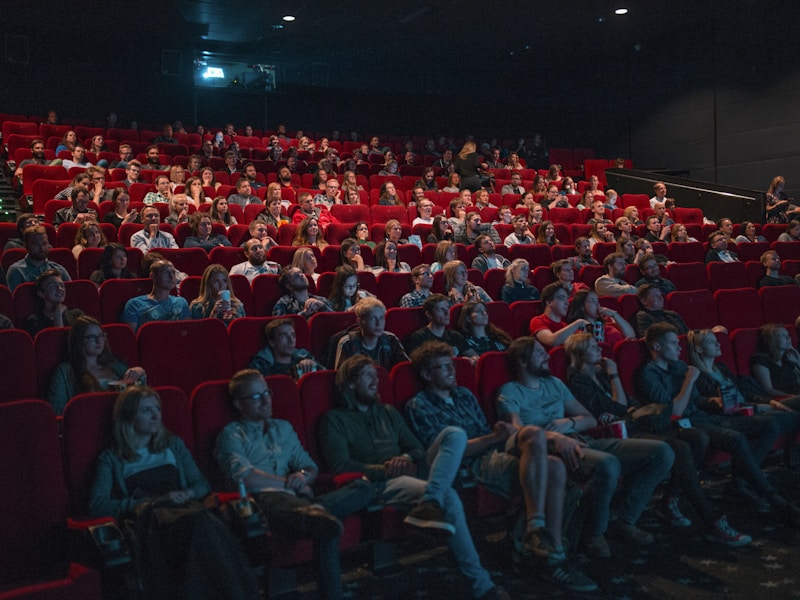
On the theatrical side, Nintendo’s partnership with Illumination showed how to leverage pure nostalgia and sensory delight. Yielding over $1.3 billion at the global box office, the film demonstrated that video game properties have the broad, multi-generational demographic pull once reserved only for Disney and Pixar. It proved that gaming is now a family-friendly pillar of mass-market entertainment.
4. Strategic Blueprint: How to Adapt Interactive Media Successfully
As studios rush to secure gaming rights, a clear set of best practices has emerged for turning an interactive masterpiece into a compelling passive viewing experience.
- Involve the Original Creators: The most successful adaptations feature close collaboration with the game’s developers. Original creators act as brand stewards, ensuring the core themes are not lost in translation.
- Prioritize Theme Over Mechanics: A common mistake of early adaptations was trying to replicate gameplay mechanics on screen (e.g., first-person shooting sequences). Successful modern adaptations focus instead on character relationships, lore, and thematic resonance.
- Respect the Lore, but Adapt for the Medium: Direct 1:1 translations rarely work. Successful creators understand what to cut, what to expand, and how to restructure interactive quests into coherent episodic television or three-act film structures.
Conclusion: The Future of Cross-Media Storytelling
The shift from superhero cinema to video game adaptations represents more than a changing trend; it reflects a generational shift in cultural capital. For Gen Z and Millennials, video games are the foundational narrative experiences of their lives, holding the same mythological weight that comic books held for Gen X and Baby Boomers.
With highly anticipated projects like Ghost of Tsushima, God of War, and BioShock currently in development, we are only at the beginning of this new creative era. As boundaries between mediums continue to blur, video game adaptations are no longer just Hollywood’s new golden goose—they are the future of cinematic storytelling.