

The Digital Transformation of Athletics
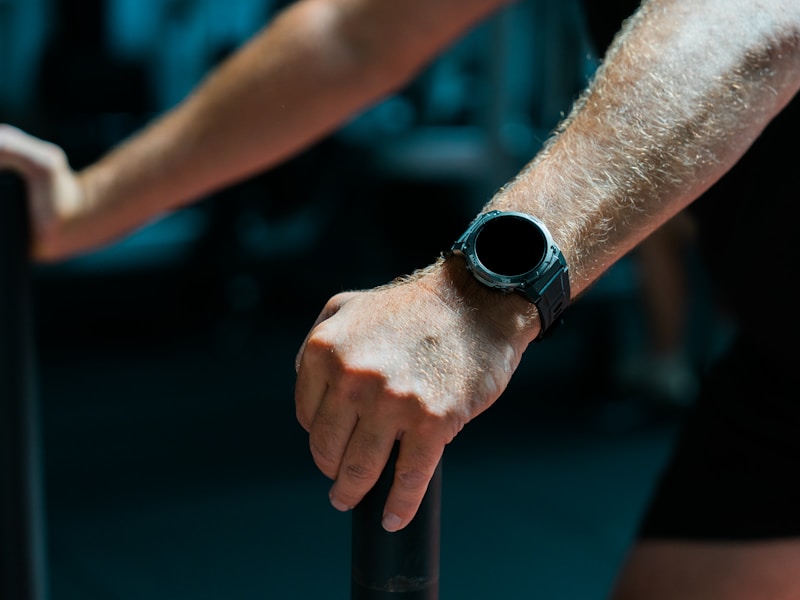
In the modern era of professional sports, the margin between victory and defeat is measured in milliseconds and millimeters. The evolution of smart wearables has moved far beyond simple step counting into the realm of high-fidelity physiological data analytics. Teams are no longer just guessing; they are engineering peak performance through data-driven insights.
From Stopwatch to Biometric Sensors
Historically, coaches relied on subjective observations and basic mechanical stopwatches. Today, integrated sensor suites—including GPS trackers, accelerometers, and heart-rate monitors—provide a multidimensional view of player output. Systems like Catapult and STATSports have become the gold standard, allowing performance scientists to track metrics such as High-Intensity Distance (HID), Player Load, and metabolic strain.
Predictive Analytics and Injury Prevention
Perhaps the most profound impact of wearables is in the field of injury risk management. By analyzing ‘Acute-to-Chronic Workload Ratios’ (ACWR), medical staff can identify when an athlete is trending toward an overuse injury before it manifests physically.
‘Data is the new compass for sports medicine, turning injury rehabilitation from a reactive necessity into a proactive strategy,’ says an expert sports scientist.
Real-Time Tactical Decision Making
Wearables have also revolutionized the game-day experience. Coaches now receive real-time updates on a player’s fatigue levels, informing critical tactical substitutions. If a midfielder’s sprint speed drops below a specific threshold, the coaching staff knows instantly that it is time to rotate the bench.
The Future: Neural Integration and Recovery Science
The next frontier involves non-invasive glucose monitoring and sweat sensors that analyze electrolyte loss in real-time. By integrating these metrics with AI-driven software, teams can personalize hydration and nutritional protocols during halftime breaks, ensuring athletes operate at their physiological limit without crossing into dangerous territory.
Actionable Insights for Organizations
- Invest in Data Infrastructure: Do not just collect data; build a centralized warehouse where coaching, medical, and performance data intersect.
- Prioritize Athlete Buy-in: Explain the benefits of wearables in terms of career longevity to ensure compliance and honest data reporting.
- Adopt AI-Driven Forecasting: Use machine learning to correlate training load with game-day output to optimize the training schedule.
Conclusion
The integration of wearable technology is not merely a trend; it is the infrastructure of modern sports excellence. As we look to the future, the teams that best synthesize these complex data streams into actionable intelligence will consistently dominate their respective fields.