

The Paradigm Shift in Outdoor Exploration: Why Sustainable Gear Matters
For decades, the outdoor industry harbored an uncomfortable paradox: adventurers who deeply loved nature were traversing it using gear made from fossil-fuel-derived synthetics, coated in toxic chemicals, and manufactured under questionable labor practices. Traditional technical apparel and gear rely heavily on virgin polyester, nylon, and per- and polyfluoroalkyl substances (PFAS) to achieve water resistance and durability. However, a modern revolution is underway. Today’s eco-conscious adventurer demands more. Sustainable gear is no longer a niche compromise; it is a high-performance necessity.
The Environmental Footprint of Traditional Gear
To understand the importance of sustainable gear, we must first look at the lifecycle of standard outdoor equipment. Virgin synthetic fibers like polyester and nylon are synthesized from petrochemicals, a process that releases immense amounts of carbon dioxide. Furthermore, the waterproofing treatments historically used on rain jackets and tents—specifically durable water repellents (DWR) containing long-chain fluorocarbons (PFCs)—are ‘forever chemicals’ that bioaccumulate in ecosystems, water sources, and living organisms. When these garments are washed, they shed millions of microplastics into aquatic systems, permanently disrupting food chains.
The Core Pillars of Eco-Conscious Gear Selection
Before purchasing new gear, every mindful adventurer should evaluate equipment based on three foundational pillars: circularity, certifications, and longevity.
- Circularity and Recycled Materials: Opt for products made from post-consumer recycled plastics, ocean-bound waste, or upcycled materials. Brands utilizing materials like Econyl (recycled nylon from fishing nets) or Repreve (recycled polyester from plastic bottles) are actively diverting waste from landfills and oceans.
- Third-Party Certifications: Look for recognized environmental and social standards. Bluesign guarantees that no harmful substances were used during manufacturing. Fair Trade Certified ensures ethical working conditions and fair wages. The Global Recycled Standard (GRS) verifies recycled content, and the Responsible Down Standard (RDS) ensures humane treatment of waterbirds.
- Durability and Repairability: The most sustainable piece of gear is the one you already own, or the one that lasts a lifetime. Seek out brands that offer robust lifetime warranties and robust repair programs (such as Patagonia’s Worn Wear or Arc’teryx’s ReBird).
1. Eco-Friendly Sleep Systems and Shelters
Your shelter and sleep system are your lifeline in the backcountry. Historically, tents and sleeping bags were heavy contributors to chemical pollution due to dyeing and waterproofing methods. Thankfully, innovative engineering has changed the landscape.
Solution-Dyed Tents
Traditional fabric dyeing requires massive volumes of water and energy, while generating highly toxic wastewater. Solution-dyeing, however, introduces color pigments directly into the polymer melt before fibers are extruded. This revolutionary process reduces water consumption by up to 80% and energy use by 50%, while producing fabrics that are highly resistant to UV fading. Look for shelters utilizing solution-dyed fabrics to dramatically reduce your chemical footprint.
Recycled and PFC-Free Sleeping Bags
Modern sustainable sleeping bags utilize 100% recycled shell and lining fabrics, paired with responsibly sourced down or recycled synthetic insulation. When selecting a down bag, the RDS certification is non-negotiable. For synthetic options, choose brands utilizing high-loft recycled insulation that mimics the warmth-to-weight ratio of down without the carbon footprint of virgin polyester. Ensure the exterior shell features a PFC-free DWR coating to prevent toxic chemical runoff during rainy excursions.
‘By choosing PFC-free waterproofing and solution-dyed fabrics, we prevent bioaccumulative chemicals from leaching into pristine wilderness areas.’
2. Sustainable Technical Apparel: Layering with Purpose
The layering system is the golden rule of outdoor comfort. Selecting eco-friendly apparel requires a careful balance of natural, renewable fibers and high-tech recycled synthetics.

The Base Layer: Merino Wool and Biodegradable Fibers
For base layers, synthetic polyester is easily outperformed by natural merino wool and Tencel (a biodegradable fiber sourced from sustainably managed wood pulp). Merino wool is naturally antimicrobial, moisture-wicking, and thermoregulating. Because it resists odors, you can wear it for days on end without washing, saving precious water resources. Ensure your wool is certified by the Responsible Wool Standard (RWS) to guarantee ethical sheep farming practices and land management.
The Mid-Layer: Recycled Fleece and Insulators
Mid-layers provide crucial loft and insulation. Traditional fleece is a major culprit of microplastic shedding. To combat this, look for advanced grid fleeces made from recycled polyester, or specialized fabrics engineered to minimize fiber shedding. Brands are also utilizing wool-synthetic blends that offer the structure of synthetic materials with the biodegradable profile of natural fibers.
The Outer Shell: The Transition to PFAS-Free Waterproofing
The hard shell is your defense against severe weather. The outdoor industry is currently undergoing a massive regulatory shift away from PFAS. High-performance, eco-friendly rain jackets now utilize bio-based membranes (derived from plant oils rather than petroleum) and innovative polyurethane or polyester-based membranes that are fully recyclable at the end of their lifecycle. These jackets perform exceptionally well while remaining completely safe for the environment.
3. Low-Impact Backpacks and Carry Systems
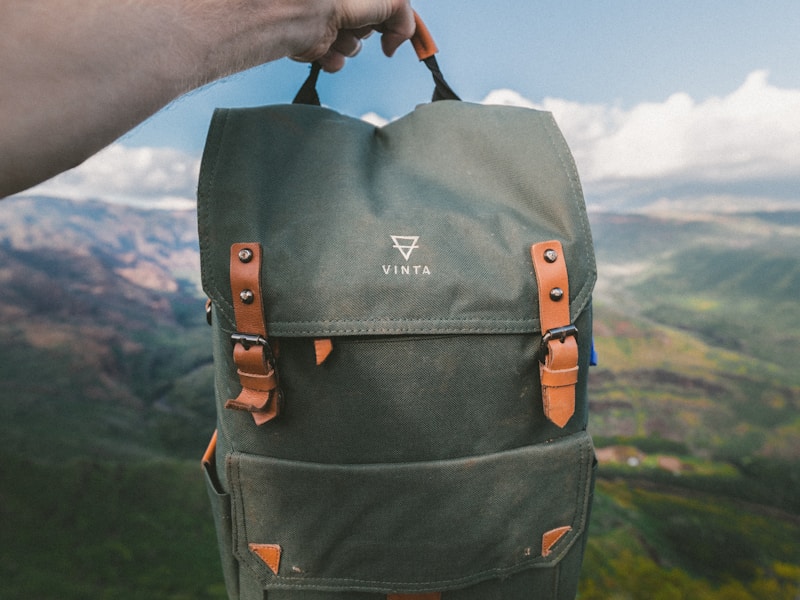
A durable backpack is the cornerstone of any expedition. Eco-friendly packs must withstand extreme abrasion while utilizing recycled materials.
Recycled Heavy-Duty Fabrics
Look for packs constructed from high-tenacity recycled nylon or canvas. Many leading pack manufacturers now construct their entire line using 100% recycled main body fabrics, often sourced from industrial waste or discarded fishing nets. Hardware, including buckles and zippers, is also increasingly made from recycled plastics or easily repairable metals.
Dismantlability and Recyclability
A major challenge in sustainable design is mono-material construction. Backpacks traditionally contain a complex mix of foam, mesh, plastic frames, and metal stays, making them impossible to recycle. Forward-thinking brands are designing ‘mono-material’ packs or constructing systems that can be easily disassembled for recycling or modular repair, ensuring that a broken buckle doesn’t render an entire pack useless.

4. Hydration and Backcountry Kitchen Essentials
How we cook and hydrate in the wild directly impacts our immediate surroundings. Minimizing waste and plastic reliance is paramount.
- Plastic-Free Water Filtration: Traditional gravity and squeeze filters rely heavily on plastic housing. Choose systems constructed from durable, food-grade stainless steel or titanium where possible. Gravity systems that utilize replaceable carbon and hollow-fiber membrane elements minimize overall waste.
- Eco-Friendly Stoves and Cookware: Avoid single-use fuel canisters when possible. While gas stoves are convenient, they generate metal waste. Consider biomass stoves that burn twigs, pinecones, and wood pellets, eliminating fuel canisters entirely. If you use canister stoves, ensure you use a canister recycling tool to safely depressurize and recycle empty fuel canisters.
- Sustainably Sourced Camp Dinnerware: Ditch plastic camp plates and sporks. Titanium or anodized aluminum dinnerware is lightweight, incredibly durable, non-toxic, and infinitely recyclable. For a natural alternative, bamboo utensils provide a lightweight, biodegradable option.
Actionable Tips: How to Maintain and Extend the Life of Your Gear
The absolute most sustainable gear choice you can make is to care for what you already have. Proper maintenance prevents premature failure and keeps gear out of landfills.
Proper Washing and Microplastic Mitigation
Wash technical garments only when necessary. When washing synthetics, use a specialized wash bag (like a Guppyfriend) to catch microplastics before they enter wastewater systems. Use biodegradable, residue-free tech washes instead of standard household detergents, which can clog breathable membranes and strip DWR finishes.
Restoring Water Repellency (DWR)
If your rain jacket starts absorbing water (‘wetting out’), it doesn’t mean it’s broken. Clean the garment with a technical wash, then apply a wash-in or spray-on eco-friendly, PFC-free DWR restorer (such as Nikwax or Grangers). Applying gentle heat in a dryer can also reactivate the existing DWR treatment.
DIY Repairs on the Trail
Carry a basic repair kit containing gear repair tape (such as Tenacious Tape), a needle, heavy-duty thread, and extra zipper pulls. Small tears in tents, sleeping bags, or down jackets can be instantly patched in the field, preventing catastrophic tears that render the gear unusable.
Conclusion: Voting with Your Gear Choices
As outdoor enthusiasts, our connection to the wild places we explore must be matched by our commitment to protect them. Transitioning to sustainable gear is a journey of conscious consumerism. By prioritizing durable materials, seeking circular designs, demanding transparent supply chains, and meticulously maintaining our equipment, we ensure that our footprints remain light and our legacy is one of preservation. Next time you prepare to hit the trail, audit your gear closet, repair what you can, and when you must buy new, make it a choice that respects the Earth.