
The New Frontier of Athletic Longevity
In the modern era of professional sports, the difference between a fleeting career and a legendary legacy often comes down to one thing: recovery. As the physical demands of high-performance sports reach unprecedented levels, elite athletes are turning away from ‘old-school’ grit and toward the precision of data-driven recovery. By leveraging wearable sensors, machine learning, and advanced physiological metrics, icons like LeBron James and Cristiano Ronaldo are proving that age is increasingly just a number.
The Role of Biometric Monitoring
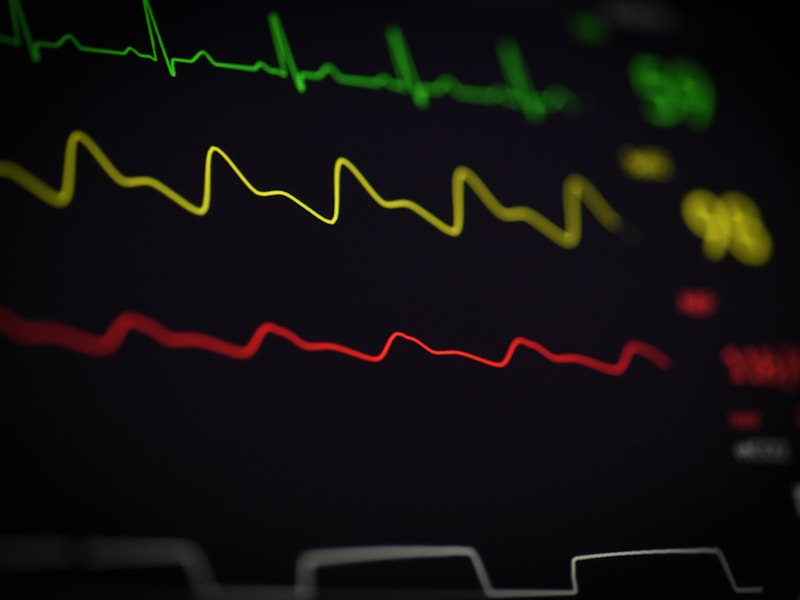
At the heart of the recovery revolution is the ability to quantify fatigue. Athletes are no longer guessing how they feel; they are measuring it. Using platforms like Whoop, Oura, and Catapult, performance staff monitor several key metrics:
- Heart Rate Variability (HRV): A gold-standard metric for assessing autonomic nervous system recovery and readiness.
- Resting Heart Rate (RHR): Used to track cardiovascular stress and adaptation to training loads.
- Sleep Architecture: Tracking REM, deep, and light sleep cycles to ensure hormonal restoration and tissue repair.
AI-Powered Injury Prevention
Data-driven recovery isn’t just about resting; it’s about predicting the ‘danger zone.’ Predictive analytics models process thousands of data points per session—from sprint intensity to jump heights—to flag potential injury risks before they manifest. By identifying asymmetry in movement patterns or unexpected spikes in acute-to-chronic workload ratios, medical teams can intervene with targeted load management.
‘The goal is not to train harder, but to train smarter by listening to what the body is actually telling us,’ says Dr. Marcus Thorne, a leading expert in sports kinesiology.
Advanced Modalities: Beyond the Ice Bath
The tech stack for recovery has expanded beyond traditional cryotherapy. Today’s recovery suites include:
- Hyperbaric Oxygen Therapy (HBOT): To accelerate cellular repair and reduce systemic inflammation.
- Pulsed Electromagnetic Field (PEMF) Therapy: Used to stimulate cellular energy production and enhance bone healing.
- Compression Therapy (Normatec): Automated pneumatic compression to increase circulation and flush metabolic waste.
Actionable Strategies for the Aspiring Athlete
While most amateurs don’t have access to an NBA-level performance team, the fundamental principles remain scalable:

- Consistency is King: Use a simple heart rate monitor to establish your personal ‘baseline’ for resting heart rate.
- Quantify Sleep: Invest in sleep tracking to understand how your evening habits impact your morning performance.
- Active Load Tracking: Keep a journal of your training intensity relative to your daily stress levels; adjust volume accordingly.
Conclusion: A Paradigm Shift
The era of treating the body as an inexhaustible machine is over. We have entered the age of data-informed stewardship, where the athlete’s career is prolonged not by pushing through pain, but by meticulously managing the biological cost of performance. As technology becomes more accessible, the ability to synthesize recovery data will become the single most important skill for athletes looking to transcend the standard professional lifecycle.