


Introduction: The Eco-Conscious Nomad
For many, long-term travel is the ultimate dream—an opportunity to explore diverse cultures, breathtaking landscapes, and vibrant cities over months or even years. However, this transient lifestyle often comes with a significant ecological cost. From single-use plastic water bottles purchased in areas with unsafe tap water to convenience food packaging and disposable toiletries, travel can generate an alarming amount of waste.
Adopting a zero-waste philosophy on the road is not about achieving absolute perfection; it is about making intentional, conscious choices that significantly reduce your environmental footprint. By packing mindfully and choosing multi-functional, durable, and sustainable alternatives, you can traverse the globe responsibly. This comprehensive guide outlines the ultimate strategies for zero-waste packing, ensuring your long-term adventures preserve the very destinations you seek to explore.
1. The Five R’s of Zero-Waste Travel
Before packing a single item, it is essential to internalize the core tenets of the zero-waste movement, adapted specifically for long-term travel:
- Refuse: Say no to free hotel slippers, single-use plastic straws, airline amenity kits, and printed tourist brochures. Opt for digital maps and eco-friendly alternatives instead.
- Reduce: Streamline your belongings. A lighter bag reduces fuel consumption during transit and forces you to focus on high-quality, long-lasting gear.
- Reuse: Invest in high-quality, reusable items that replace hundreds of disposable ones throughout your journey.
- Recycle: When you must consume packaged goods, research local recycling facilities, as waste management infrastructure varies drastically across regions.
- Rot: Compost organic waste whenever possible. While challenging on the road, staying in accommodations with guest kitchens or community gardens makes this achievable.
2. Curating the Ultimate Zero-Waste Travel Kit
Your daily kit is your primary line of defense against single-use plastics. Keeping these items easily accessible in your daypack ensures you are never caught unprepared.
The Hydration Solution
In many parts of the world, drinking tap water is unsafe, leading travelers to purchase bottled water daily. To avoid this environmental catastrophe, invest in a high-performance water purifier. Unlike standard filters, a purifier (such as a Grayl bottle or a Lifesaver bottle) eliminates viruses, bacteria, and heavy metals, allowing you to safely drink water from any tap, river, or public fountain globally. Pair this with a lightweight stainless steel bottle for extra storage.
The Reusable Dining Kit
Street food is one of the joys of long-term travel, but it is notorious for generating plastic waste. Pack a compact, lightweight dining set consisting of:
- A set of bamboo or titanium utensils (lighter and less likely to be confiscated by airport security than metal knives).
- A collapsible silicone food container, perfect for leftovers, street food, or packing a picnic for long train rides.
- A cloth napkin or bandana, which serves multiple purposes—from drying your hands to wrapping up baked goods.
- A reusable silicone storage bag (like a Stasher bag) for snacks or loose items.
‘By carrying a simple set of utensils and a collapsible container, you can bypass up to 500 pieces of single-use plastic over a year of continuous travel.’
3. The Solid Revolution: Plastic-Free Toiletries
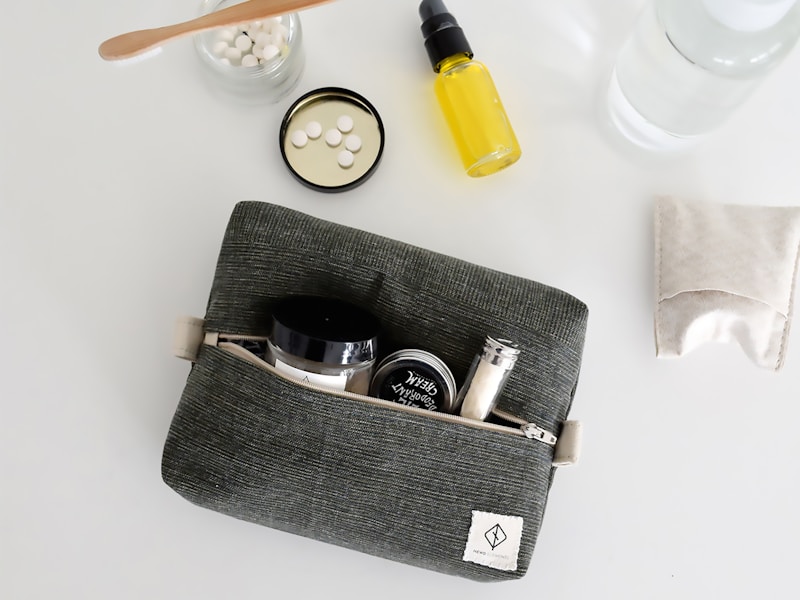
Liquid toiletries are a significant source of plastic waste and present a constant headache at airport security checkpoints. Transitioning to solid, concentrated alternatives is a game-changer for zero-waste travelers.
Hair and Body Care
Ditch the plastic bottles entirely. High-quality shampoo and conditioner bars can last for up to 80 washes—equivalent to two or three bottles of liquid product. Look for brands that use organic ingredients and come in biodegradable paper packaging. Store them in breathable sisal soap bags or lightweight aluminum tins that allow them to dry between uses. Similarly, swap out liquid body wash for a classic bar soap or multi-purpose castile soap, which can double as laundry detergent and dish soap in a pinch.
Oral Care and Grooming
Traditional toothpaste tubes are made of plastic laminated with aluminum, making them nearly impossible to recycle. Switch to toothpaste tablets. These dry, lightweight tablets are stored in glass jars or compostable pouches; you simply chew one, brush with a wet toothbrush, and rinse. Pair these with a compostable bamboo toothbrush, which can be safely disposed of in organic waste systems at the end of its life.
For shaving, transition to a classic double-edge safety razor made of stainless steel or brass. Unlike disposable plastic cartridges, safety razor blades are fully recyclable (collect them in a small metal tin and drop them at a local recycling facility) and offer a superior shave at a fraction of the long-term cost.
4. Wardrobe Curation: Sustainable and Biodegradable Fabrics
Long-term travel demands a minimalist capsule wardrobe. When selecting clothing, focus on performance fabrics that require less washing and biodegrade naturally at the end of their lifecycle.
The Magic of Merino Wool
Merino wool is the gold standard for sustainable travel. It is naturally odor-resistant, temperature-regulating, and highly breathable. A single merino wool t-shirt can be worn for several days without developing odors, drastically reducing your laundry frequency, water usage, and the need for synthetic detergents. Furthermore, as a natural fiber, pure wool is entirely biodegradable.
Linen, Hemp, and Organic Cotton
For warmer climates, hemp and linen are unmatched. Hemp is exceptionally durable, pest-resistant during cultivation, and requires far less water than conventional cotton. Avoid synthetic fabrics like polyester, nylon, and acrylic when possible, as they shed microplastics into local waterways during every wash cycle. If you must carry synthetic activewear, wash them inside a microfiber-filtering laundry bag (like a Guppyfriend bag) to capture these synthetic fibers before they reach the ocean.
5. Eco-Friendly Laundry and Maintenance on the Road
Maintaining your gear sustainably is just as important as choosing the right items initially. Long-term travelers must adopt low-impact laundry practices:
- Wash by Hand: For light washes, hand wash items in your accommodation sink using biodegradable soap. This saves energy, preserves fabric longevity, and uses significantly less water than commercial washing machines.
- Line Dry: Avoid energy-intensive tumble dryers. Pack an elastic, pegless travel clothesline that can be strung up between trees, bedposts, or balconies.
- Repair Kits: Don’t discard damaged items. Pack a tiny sewing kit with heavy-duty thread, needles, a few buttons, and tenacious gear tape. Repairing a torn backpack or patching a jacket extends the lifecycle of your gear and keeps waste out of landfills.
Conclusion: Progress Over Perfection
Transitioning to a zero-waste lifestyle while embarking on long-term travel is a powerful way to align your personal values with your passion for exploration. By choosing durable, solid, and multi-purpose items, you actively protect local environments from the global plastic crisis. Remember that the goal of sustainable travel is not to be perfectly waste-free in every destination, but to make conscious, deliberate decisions that minimize your footprint. Travel slowly, respect local waste infrastructure, pack with intention, and leave nothing behind but your footprints.