

The Paradigm Shift in Global Travel: Choosing the Path Less Wandered
In an era defined by rapid globalization and easy access to travel, popular destinations worldwide are facing an existential crisis: overtourism. From the crowded canals of Venice to the eroding paths of Machu Picchu, the environmental and cultural footprints of mass tourism are becoming unsustainable. Fortunately, a powerful counter-movement is gaining momentum. Ecotourism—responsible travel to natural areas that conserves the environment, sustains the well-being of the local people, and involves interpretation and education—offers a restorative path forward.
By choosing underrated, lesser-known destinations, conscious travelers can minimize their ecological footprint while directly funding vital conservation initiatives and supporting local economies. This comprehensive guide explores seven hidden ecotourism gems around the globe that offer pristine landscapes, rich biodiversity, and deeply authentic cultural experiences.
‘Ecotourism is not merely a catchphrase; it is a profound commitment to leaving a destination better than you found it, transforming travelers from mere observers into active guardians of the earth.’
1. The Cardamom Mountains, Cambodia: A Forest Reborn
For decades, the Cardamom Mountains in southwestern Cambodia remained largely inaccessible due to civil conflict and rugged terrain. Today, this vast expanse of dense tropical rainforest, mangroves, and misty peaks stands as one of Southeast Asia’s most critical biodiversity hotspots. Home to endangered species like the Asian elephant, clouded leopard, and the critically endangered Siamese crocodile, the region was once heavily threatened by illegal logging and poaching.
The Rise of Community-Based Ecotourism (CBET)
Through pioneering conservation models, former poachers and loggers have been trained as forest rangers, wildlife guides, and homestay hosts. In communities like Chi Phat, travelers can embark on multi-day jungle treks, mountain biking excursions, and kayak trips down pristine rivers. The revenue generated goes directly into community funds, proving that living forests are far more valuable than timber.
- Highlight: Embarking on a night patrol with local rangers to dismantle illegal snares.
- Best Time to Visit: November to February, when the weather is cooler and dry.
2. Saba, Caribbean Netherlands: The Unspoiled Queen
While neighboring islands in the Caribbean are dominated by mega-resorts and cruise ship terminals, the tiny island of Saba remains wonderfully untouched. Rising dramatically from the ocean, this five-square-mile volcanic peak has no cruise docks, no high-rises, and no traditional sandy beaches. Instead, it offers a dramatic cloud forest ecosystem and some of the healthiest marine environments in the world.
Pioneering Marine Conservation
Established in 1987, the Saba Marine Park completely encircles the island, protecting vibrant coral reefs, underwater volcanic needles, and abundant marine life. On land, the Saba Conservation Foundation manages a network of hiking trails that wind through the ‘Elfin Forest’ at the summit of Mount Scenery. Saba is self-sufficient in many eco-initiatives, utilizing solar energy and implementing strict waste-management protocols to preserve its delicate ecosystems.
3. Gola Rainforest National Park, Sierra Leone: A Sanctuary for Rare Species
Representing one of the last remaining remnants of the Upper Guinean Tropical Rainforest, Gola Rainforest National Park in Sierra Leone is a true frontier for adventurous ecotravelers. This lush sanctuary is home to over 330 bird species, vibrant butterfly populations, and the elusive, endangered pygmy hippopotamus.

A Model for Transboundary Conservation
Gola operates under a unique partnership between the government of Sierra Leone, local communities, and international conservation societies. Ecotourism here directly funds sustainable cocoa farming and community development projects. Visitors can experience guided canopy walks, traditional river canoe trips, and stay in rustic, low-impact eco-lodges run entirely by local villagers.
4. Raja Ampat, Indonesia: The Global Epicenter of Marine Biodiversity
Located off the northwest tip of Bird’s Head Peninsula in West Papua, Raja Ampat (The Four Kings) is an archipelago comprising over 1,500 small islands, cays, and shoals. While it has gained some recognition among elite divers, its remote location has kept mass tourism at bay, preserving what scientists call the ‘global center of marine biodiversity.’
Community-Owned Homestays and Coral Restoration
To prevent large-scale resort development, the local communities have embraced a decentralized homestay model. By staying in traditional water bungalows built by local families, travelers directly support indigenous land ownership. Many of these homestays actively participate in reef restoration programs, ensuring that the archipelago’s 1,400 species of reef fish and 75% of the world’s known coral species remain protected.
5. Pico Island, Azores, Portugal: Sustainable Viticulture and Marine Preservation
The Azores, an isolated archipelago in the middle of the Atlantic Ocean, has long been a pioneer in sustainable tourism. Pico Island, dominated by the majestic, snow-capped Mount Pico, offers a stunning blend of dramatic volcanic landscapes, rich maritime history, and unique agricultural practices.
From Whaling to Whale Watching
Historically a hub for whaling, Pico successfully transitioned its maritime economy into a world-class model for sustainable whale and dolphin watching. Strict regulations govern boat distances and interactions, ensuring minimal disturbance to the marine mammals. Back on land, visitors can explore the UNESCO-designated vineyard paths, where vines are grown inside hand-built, black volcanic stone walls (currais) that protect them from the salty Atlantic winds.
6. The Chiloé Archipelago, Chile: Mythical Forests and Coastal Wetlands
Separated from mainland Chile by the Chacao Channel, the Chiloé Archipelago is a land of rolling green hills, dramatic Pacific coastlines, and a highly distinct cultural identity shaped by isolation and indigenous Huilliche traditions. The island is famous for its colorful wooden churches (UNESCO World Heritage sites) and historic stilt houses called palafitos.
Protecting Temperate Rainforests and Blue Whales
Chiloé National Park and private initiatives like Tepuhueico Park protect vulnerable Valdivian temperate rainforests, home to the rare pudú (the world’s smallest deer) and Darwin’s fox. Furthermore, the Gulf of Corcovado, bordering the archipelago, serves as a vital feeding ground for blue whales. Local operators offer low-impact marine excursions that support ongoing cetacean research and coastal conservation efforts.
7. Valbona Valley National Park, Albania: The Pristine Peaks of the Balkans
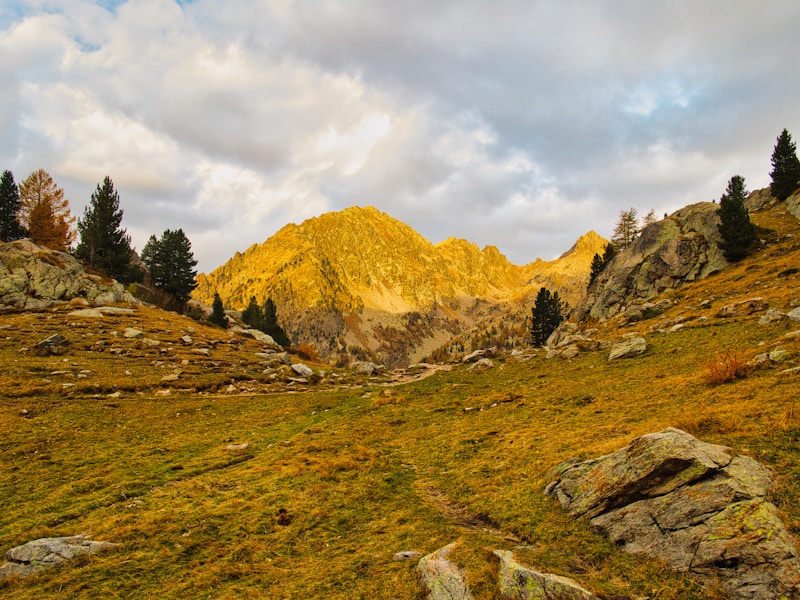
Often referred to as the ‘Accursed Mountains,’ the Bjeshkët e Nemuna range in northern Albania houses one of Europe’s last wild mountain territories: Valbona Valley. Characterized by dramatic limestone peaks, crystal-clear glacial rivers, and dense beech and pine forests, this region offers an authentic alpine experience far removed from the overcrowded slopes of the Swiss Alps.
Preserving the High-Alpine Way of Life
Ecotourism in Valbona is deeply intertwined with cultural preservation. The local economy relies heavily on traditional guesthouses (kullas), where travelers are welcomed with legendary Albanian hospitality, home-cooked organic meals, and stories of ancient mountain folklore. Tourism revenue helps local families resist the pressures of industrial logging and speculative hydropower developments, protecting the wild flow of the Valbona River.
Actionable Advice for the Responsible Ecotraveler
Venturing into these delicate, underrated ecosystems requires a heightened sense of responsibility. Here are essential practices to ensure your visit supports conservation:
- Verify Green Credentials: Look for tour operators and accommodations certified by reputable global bodies, such as the Global Sustainable Tourism Council (GSTC).
- Minimize Single-Use Plastics: Many remote ecotourism sites lack advanced waste-management facilities. Carry reusable water bottles, water purification tablets, and reusable toiletry containers.
- Support the Local Economy Directly: Prioritize community-owned homestays, hire local guides, and purchase handmade crafts directly from artisans rather than mass-produced souvenirs.
- Respect Wildlife Boundaries: Always maintain a safe distance from wild animals, never feed them, and stay strictly on designated trail paths to prevent soil erosion and habitat fragmentation.
- Calculate and Offset Carbon Footprints: Since reaching remote destinations often requires multiple flights or long transit times, invest in high-quality, verified carbon-offsetting projects that focus on reforestation or renewable energy.
Conclusion: Travel with Purpose and Intent
The choices we make as travelers have a profound ripple effect across the globe. By diverting our footsteps from overcrowded tourist traps to these seven underrated ecotourism hotspots, we do more than just experience stunning, untouched landscapes. We actively participate in the global preservation of biodiversity, foster cross-cultural understanding, and empower local communities to protect their natural heritage for generations to come. This year, challenge yourself to travel deeper, tread lighter, and explore with purpose.