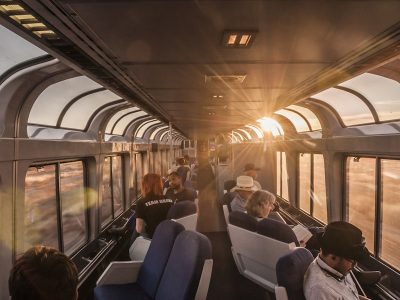


The Dawn of a New Mobility Era
Our global transport systems stand at a critical crossroads. For over a century, the burning of fossil fuels has propelled human progress, but at an unacceptable ecological cost. As carbon budgets dwindle, a radical reimagining of how we move people and goods is underway. This transformation is not merely about replacing internal combustion engines with electric batteries; it is about embracing a multi-modal, circular, and slower philosophy of movement. From the revival of continental rail networks to the wind-assisted propulsion of oceanic cargo and passenger vessels, and the high-tech electrification of nomadic road travel, the future of sustainable transportation is a synthesis of ancient wisdom and futuristic engineering.
1. The Steel Ribbon Renaissance: High-Speed and Hydrogen Rail
Trains have long been the backbone of low-carbon land travel, but a modern technological renaissance is elevating them to new heights. High-speed rail (HSR) networks are rapidly expanding across Europe, Asia, and pockets of North America, presenting a formidable and highly efficient alternative to carbon-intensive short-haul flights. Traveling at speeds exceeding 300 km/h, modern high-speed trains emit up to 90% less carbon dioxide per passenger-kilometer compared to commercial aviation.
The Rise of Sleeper Trains and Cross-Border Corridors
Beyond raw speed, the emotional and cultural appeal of travel is shifting. The revival of European sleeper trains, pioneered by operators like Nightjet and startups like European Sleeper, proves that travelers are willing to trade the frantic rush of airports for the romantic, restorative experience of overnight rail. These rolling hotels maximize travel efficiency by transforming transit time into rest, delivering passengers directly to city centers refreshed and ready.
Decarbonizing Regional Lines with Hydrogen
While mainlines are easily electrified via overhead catenary wires, thousands of miles of regional tracks remain reliant on diesel locomotives. Enter hydrogen fuel-cell technology. Trains like the Alstom Coradia iLint represent a paradigm shift. Utilizing hydrogen onboard to generate electricity, these trains emit nothing but water vapor and condensation, offering a quiet, zero-emission alternative for non-electrified routes, thereby ensuring that even remote communities are connected sustainably.
‘Rail is not the technology of the past; it is the infrastructure of a resilient future, bridging the gap between high-speed connectivity and deep decarbonization.’
2. Harnessing the Wind: The Renaissance of Sailboats and Wind-Assisted Shipping
The maritime shipping sector is responsible for nearly 3% of global greenhouse gas emissions, a figure that demands drastic intervention. While electric batteries struggle with the immense energy density required for transoceanic voyages, the oldest energy source known to seafaring humanity is making a high-tech comeback: wind.

Modern Wing-Sails and Automated Kites
We are not talking about manual rigging and canvas sails. Today’s wind-assisted propulsion systems utilize rigid wing-sails made of composite materials, closely resembling aircraft wings standing vertically. These sails are fully automated, rotatable, and controlled by complex aerodynamic algorithms that optimize thrust based on real-time weather data. Vessels like the Pyxis Ocean, equipped with WindWings, and Wallenius Marine’s ambitious Oceanbird concept demonstrate that wind-assisted propulsion can reduce fuel consumption and carbon emissions by 30% to 90% depending on the route and weather conditions.
Slow-Travel Passenger Sails
For leisure travelers, wind-powered vessels offer an intimate, zero-emission alternative to massive, polluting cruise liners. Small-scale passenger sailing ships and eco-expeditions are gaining traction, allowing passengers to experience the majesty of the oceans without leaving a toxic wake of sulfur oxides and heavy fuel oil residues.
3. The Nomadic Revolution: Electric Caravans and Off-Grid Living
While public transit and shipping handle mass movement, the human desire for personal freedom and nomadic exploration remains undiminished. Road-trippers and caravanners have historically relied on fuel-thirsty SUVs and diesel motorhomes. Today, the electrification of recreational vehicles (RVs) and caravans is redefining the open road.
Self-Propelled Caravans: Overcoming the Range Penalty
Towing a traditional, heavy travel trailer with an electric vehicle dramatically reduces the tow vehicle’s range, often by 50% or more. To solve this, pioneering companies like Lightship and Pebble have introduced self-propelled electric caravans. These high-tech trailers are equipped with their own electric drivetrains, battery packs, and electric motors. By driving themselves in tandem with the tow vehicle, they eliminate the aerodynamic and weight penalties, preserving the EV’s range and even boosting overall efficiency.

The Caravan as a Mobile Microgrid
Modern electric caravans do not just transport travelers; they serve as mobile, off-grid power stations. Equipped with integrated high-efficiency solar roofs, massive lithium-iron-phosphate (LFP) battery banks, and bidirectional charging (Vehicle-to-Load or V2L) capabilities, these vehicles can power induction cooktops, water filtration systems, climate control, and electronic devices indefinitely without relying on fossil-fuel generators. This creates an unprecedented level of self-sufficiency, enabling eco-conscious travelers to leave absolutely zero trace in fragile wilderness areas.
4. Creating an Integrated, Multi-Modal Eco-Travel Network
The true power of sustainable transportation lies not in these technologies operating in isolation, but in their seamless integration. A future traveler might embark on a cross-continental journey by taking a high-speed train to a coastal port, boarding a wind-assisted passenger vessel to cross an archipelago, and arriving at a destination where a shared electric caravan awaits for an off-grid exploration of the interior highlands.
Achieving this vision requires unified digital booking platforms, standardized charging infrastructure at wilderness campsites and rail stations alike, and policy frameworks that prioritize low-carbon modes over regional flights and diesel-powered highways.
5. Actionable Advice for the Conscious Eco-Traveler
Transitioning to sustainable travel does not require waiting for future technologies; there are concrete steps you can take today:
- Embrace the ‘Slow Travel’ Philosophy: Prioritize quality of experience over quantity of destinations. Spend more time in one place and choose land or sea routes over short flights.
- Utilize Sleeper Rail: Replace at least one domestic or continental flight per year with an overnight sleeper train.
- Electrify Your Road Trips: If renting a vehicle or caravan, opt for an EV or hybrid model, and map out charging stations powered by renewable energy grids.
- Support Wind-Powered Initiatives: Choose shipping, cargo, or ferry services that utilize wind-assist or hybrid propulsion systems.
Conclusion: A Journey of Connection and Care
The future of sustainable transportation is not about restriction or sacrifice; it is an invitation to reconnect with the physical world. When we step off the plane and onto a high-speed train, a wind-guided sailboat, or an off-grid electric caravan, we reclaim the journey itself as a vital part of our travel experience. By harmonizing advanced technology with the natural forces of wind, solar, and optimized engineering, we can continue to explore our beautiful planet without destroying it in the process.