The Pickleball Phenomenon: From Backyard Pastime to Global Obsession
Walk past any suburban park, tennis club, or repurposed warehouse today, and you are highly likely to hear a distinct, rhythmic sound: pop, pop, pop. This is the signature sound of pickleball, a sport that has rapidly evolved from a niche backyard game into a global cultural phenomenon. According to sports industry reports, pickleball has crowned itself the fastest-growing sport in North America for several consecutive years, with millions of active players and thousands of new courts popping up worldwide.
But what is driving this unprecedented surge? Is it merely a passing trend, or does pickleball represent a fundamental shift in how we approach community sports, fitness, and social interaction? To understand why this accessible sport is taking over the world, we must look at the unique combination of accessibility, design, and community that makes it so uniquely addictive.
“Pickleball is the great equalizer. It is a sport where a 12-year-old and a 75-year-old can not only share the same court, but compete on highly equal footing.”
A Brief History: Born on Bainbridge Island
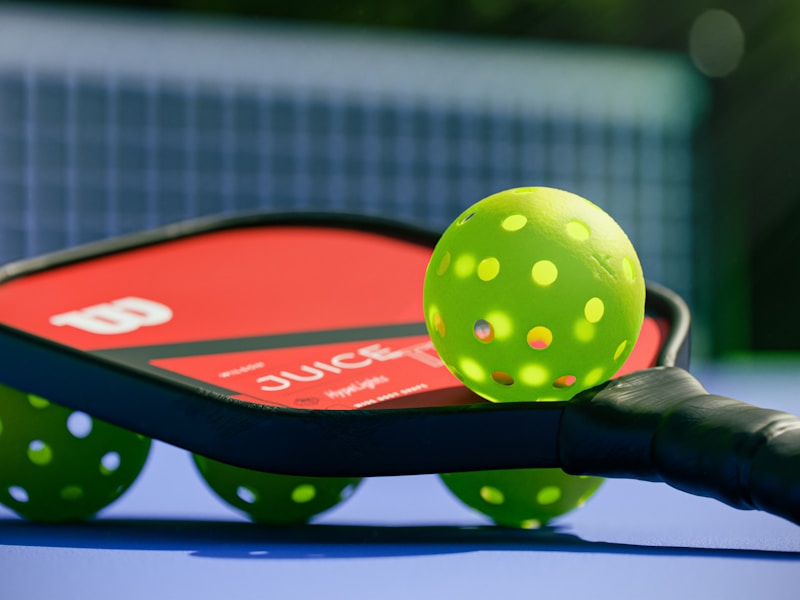
To understand pickleball’s current dominance, we must look back to its humble beginnings in 1965 on Bainbridge Island, Washington. Three fathers—Joel Pritchard, Bill Bell, and Barney McCallum—faced a classic parenting challenge: their children were bored during the summer. Utilizing an old asphalt badminton court, some mismatched ping-pong paddles, and a perforated plastic ball, they improvised a game that could entertain the whole family.
The rules were refined to emphasize safety, accessibility, and fun. The court size was deliberately kept small, and the net was lowered. As for the name, popular lore suggests it was named after the Pritchard family dog, Lulu Pickles, who would chase after stray balls. Regardless of its origin, the quirky game designed to cure childhood boredom laid the foundation for a multi-million dollar global industry.
The Perfect Storm: Why Pickleball is Exploding
Pickleball’s meteoric rise can be attributed to a perfect storm of social, economic, and design factors that set it apart from traditional racquet sports like tennis, squash, or racquetball.
1. The Low Barrier to Entry
Unlike tennis, which requires years of dedicated practice to master consistent groundstrokes and serves, or golf, which demands thousands of dollars in equipment and fees, pickleball is remarkably easy to learn. Within thirty minutes, a complete beginner can understand the rules, execute basic serves, and participate in engaging rallies. The underhand serve eliminates the physical strain and steep learning curve of tennis overhead serves, allowing players to focus immediately on strategic positioning and ball placement.
2. The Built-In Social Network
Because a pickleball court is roughly one-fourth the size of a standard tennis court, players stand in incredibly close proximity. This tight space promotes constant conversation, laughter, and lighthearted banter. Games are brief, typically played to 11 points, resulting in rapid rotation and giving players plenty of opportunities to mingle on the sidelines. In an era marked by digital isolation, pickleball has become a physical social network, fostering genuine, face-to-face community connections.
3. Intergenerational Appeal
There are very few sports where families can play together across three generations. In pickleball, grandparents can play alongside their adult children and grandkids without any group feeling compromised. The game’s reliance on strategy, soft shots (known as “dinks”), and patience often neutralizes the raw athletic advantages of younger, faster players. Experience, positioning, and soft hands frequently triumph over sheer physical power.
Physical and Mental Health Benefits: Fitness Without the Strain
The health benefits of pickleball extend far beyond simple recreation. It offers a comprehensive workout disguised as pure play, making it an ideal choice for individuals seeking to maintain an active lifestyle without punishing their bodies.
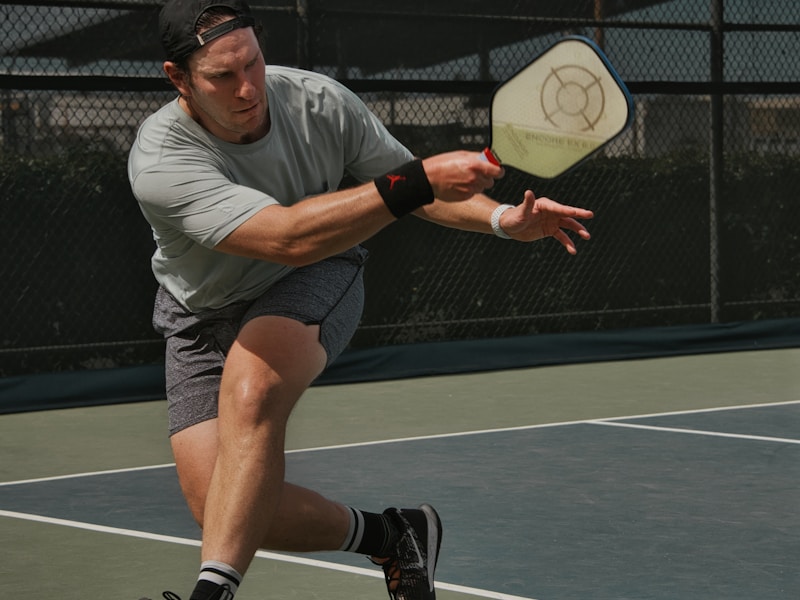
- Cardiovascular Fitness: A fast-paced doubles match can burn between 400 to 600 calories per hour, keeping players in their target heart rate zone while supporting fat loss and cardiovascular endurance.
- Joint-Friendly Exercise: The smaller court size means less running and lower-impact stops than tennis, making it highly accessible for older adults or individuals recovering from joint injuries.
- Cognitive Agility: The rapid-fire nature of net play demands intense focus, rapid decision-making, and exceptional hand-eye coordination, which stimulates brain function and sharpens cognitive reflexes.
- Mental Well-being: The social framework of pickleball stimulates the release of endorphins and oxytocin, actively combating loneliness, anxiety, and stress.
The Business of Pickleball: Real Estate and Professionalization
The sport’s popularity is no longer just a grassroots movement; it is a booming industry attracting substantial commercial investment. Shopping malls are repurposing vacant anchor stores into massive, state-of-the-art indoor pickleball clubs. Multi-use entertainment venues, combining high-end dining, craft cocktails, and premium pickleball courts, are thriving in major cities.
On the professional front, Major League Pickleball (MLP) and the Professional Pickleball Association (PPA) have drawn high-profile investments from world-class athletes and celebrities like LeBron James, Tom Brady, and Drake. National television deals and corporate sponsorships have transformed the sport from a park pastime into a highly lucrative media property.
How to Get Started: A Beginner’s Roadmap
If you are ready to join the millions of players on the court, getting started is incredibly straightforward. Here is your quick-start guide to entering the world of pickleball:
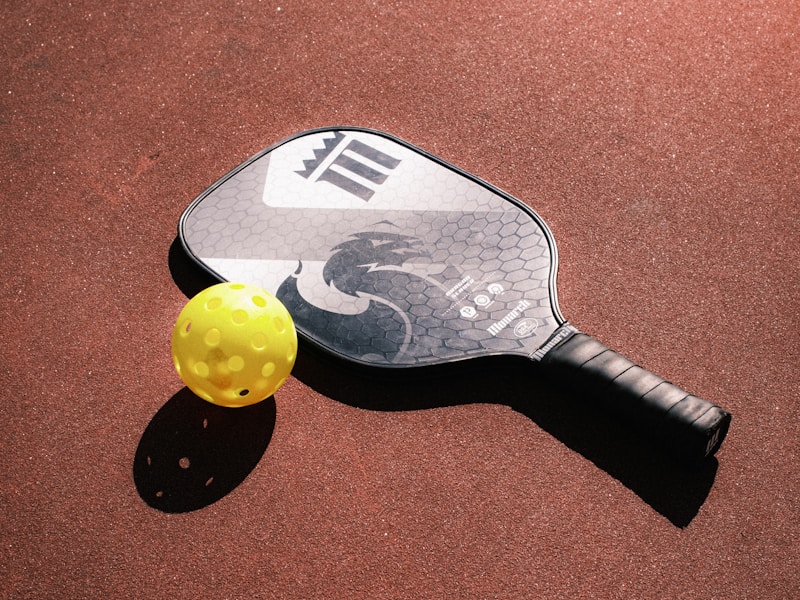
- Select the Right Paddle: Start with a mid-range composite or graphite paddle. Avoid ultra-cheap wood paddles, which are heavy and offer poor control, and bypass high-end professional paddles until you develop your personal playstyle.
- Learn the Golden Rules: Familiarize yourself with the two most unique rules: the Two-Bounce Rule (the ball must bounce once on each side before anyone can volley it) and the Kitchen (the 7-foot non-volley zone closest to the net, where you cannot hit the ball out of the air).
- Find Your Local Courts: Use online directories or apps like USA Pickleball’s Places2Play to find public parks, community centers, or indoor clubs near you. Most courts host open play sessions, allowing solo players to join rotating games easily.
Conclusion: Is Pickleball Here to Stay?
What began as an impromptu backyard solution to cure childhood boredom has blossomed into a global cultural phenomenon. Pickleball’s genius lies in its simplicity, its accessibility, and its focus on human connection. By dismantling the barriers that keep people away from traditional sports, it has made fitness inclusive, social, and, above all, incredibly fun. As communities continue to invest in infrastructure and the global player base expands, pickleball is not just a passing trend—it is a sport designed for the modern world, and it is absolutely here to stay.