
A Watershed Moment at the Intersection of Sport and Technology
For over a decade, the question of whether gaming belongs in the Olympics has been debated across boardrooms, press rooms, and online forums. In July 2024, at the 142nd IOC Session in Paris, the International Olympic Committee (IOC) answered that question with a resounding, official vote of approval: the creation of the Olympic Esports Games, with its inaugural edition slated for 2025 in the Kingdom of Saudi Arabia. This is no longer a pilot project or a virtual exhibition side-show; it is a dedicated, recurring Olympic franchise.
For the esports industry, this represents a massive validation of its cultural, economic, and athletic relevance. Yet, the marriage between the classical, centenarian ideals of the IOC and the fast-paced, commercialized, and decentralized world of competitive video games is fraught with operational challenges, ideological clashes, and structural hurdles. Understanding what this landmark integration means requires looking past the hype and analyzing the profound implications for publishers, brands, players, and governing bodies alike.
The Long and Winding Road to Olympic Recognition
The IOC’s journey toward esports was not an overnight leap of faith, but rather a slow, calculated courtship. To understand where the Olympic Esports Games are going, we must look at how we arrived here:
- 2018 Esports Forum: The IOC and the Global Association of International Sports Federations (GAISF) hosted an exploratory forum in Lausanne to establish a dialogue between the sporting world and esports stakeholders.
- The Olympic Virtual Series (2021): The IOC’s first physical-digital hybrid event featured virtual versions of traditional sports like cycling (using Zwift), sailing, and rowing.
- The Olympic Esports Week in Singapore (2023): A critical stepping stone that combined physical-virtual hybrid sports with actual video games like Gran Turismo, Fortnite (with a custom, non-violent target-shooting map), and Just Dance. This event proved that the IOC could successfully execute a live, spectator-friendly gaming event.
- The 2024 Mandate: The official establishment of the Olympic Esports Games as an independent entity separate from the traditional Olympic Games, backed by a 12-year partnership with the National Olympic Committee (NOC) of Saudi Arabia.
“With the creation of the Olympic Esports Games, the IOC is taking a major step forward and keeping up with the pace of the digital revolution.” — Thomas Bach, IOC President
The Clash of Philosophies: Publisher Intellectual Property vs. The Olympic Charter
The most fundamental operational difference between traditional sports and esports lies in ownership. Nobody owns the intellectual property rights to soccer, running, or swimming. They are open-source activities regulated by non-profit international federations (like FIFA or World Athletics).
Conversely, every esport is a commercial product owned entirely by a private publisher. Valve owns Counter-Strike and Dota 2; Riot Games owns League of Legends and Valorant; Epic Games owns Fortnite. This means the IOC cannot simply organize a tournament for a game without negotiating licensing rights, commercial terms, and operational guidelines with the IP holder.
A Paradigm Shift in Power Dynamics
Traditionally, sports federations beg the IOC for inclusion in the Olympic program because of the massive prestige and funding it brings. In the esports ecosystem, the leverage is inverted. Top-tier publishers do not necessarily need the IOC to validate their games; their competitive circuits already draw millions of concurrent viewers and generate hundreds of millions of dollars in revenue.
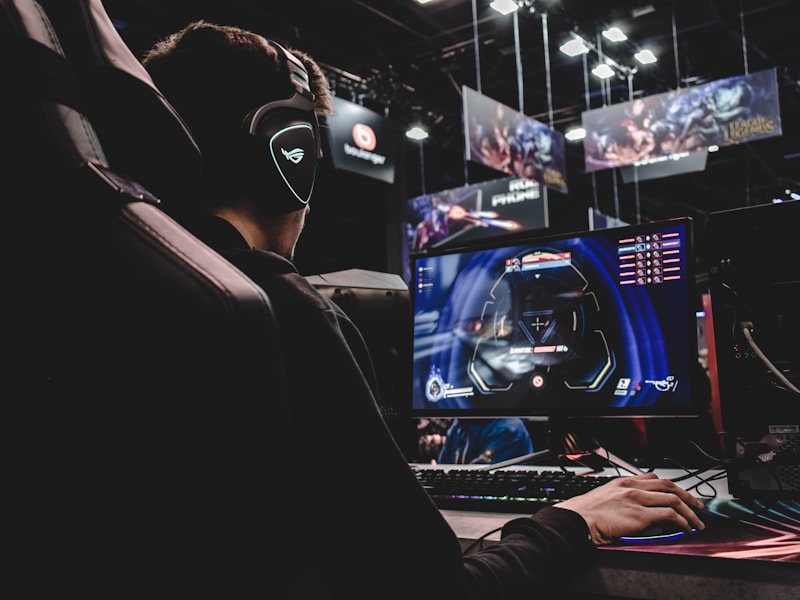
For the Olympic Esports Games to succeed, the IOC has had to adapt its traditional, rigid partnership models. They must treat game publishers as essential commercial co-creators rather than mere suppliers, sharing control over broadcast rights, in-game advertising, and competition formats.
The Title Dilemma: Violence, Realism, and the Search for Compromise
One of the most intensely debated topics surrounding the Olympic Esports Games is the selection of titles. The Olympic Charter explicitly promotes peace, non-violence, and international harmony. This philosophy directly collides with the most popular, high-revenue esports in the world, which often revolve around shooting mechanics, military combat, or fantasy warfare (e.g., Counter-Strike 2, Call of Duty, Valorant, and League of Legends).
The IOC has historically preferred three distinct categories of digital play:
- Virtual Sports: Digital physical hybrids where the physical activity is simulated via technology, such as cycling on smart trainers (Zwift) or virtual rowing.
- E-Sports/Simulators: Highly realistic digital simulations of traditional sports, such as the eFootball series, NBA 2K, or Gran Turismo.
- Common Gaming Titles: Popular non-violent video games that possess competitive depth, such as Rocket League, Hearthstone, or mobile titles like Clash Royale.
If the IOC excludes tier-one competitive titles like League of Legends or Dota 2 due to violence or complexity, they risk alienating the core esports demographic—rendering the Games irrelevant to the very audience they are trying to capture. However, if they compromise too much, they risk backlash from traditionalists and sponsors who are wary of associating with combat-oriented games. The compromise will likely involve a curated, multi-tiered roster of games, blending accessible sports simulations with highly strategic, non-gratuitous multiplayer online battle arenas (MOBAs).
The Strategic Value: What the Industry Gains
Despite the challenges, the formalization of the Olympic Esports Games represents an unprecedented opportunity for the esports industry to mature, stabilize, and expand its global footprint.
1. Unlocking Mainstream Non-Endemic Sponsorships
While esports has successfully attracted major endemic brands (hardware manufacturers, energy drinks), non-endemic luxury, financial, and consumer-packaged-goods brands have often remained hesitant due to fears of the ‘wild west’ nature of gaming culture. The Olympic brand offers an unparalleled layer of corporate safety and legitimacy, allowing premium global partners (such as the IOC’s Worldwide Olympic Partners) to enter the esports market with complete confidence.
2. Global Infrastructure and Public Funding
In many countries, government sports ministries do not officially recognize esports as a sport, disqualifying competitive gamers from receiving athletic visas, government grants, and access to state-of-the-art training facilities. The Olympic stamp of approval forces national governments to integrate esports into their national sports frameworks. This will lead to the development of national grassroots academies, talent pipelines, and structured player welfare systems similar to those of traditional Olympic athletes.
3. Standardizing Player Rights and Governance
The esports industry has historically struggled with inconsistent player contracts, visa issues, lack of career longevity, and sudden organizational bankruptcies. By aligning with the Olympic movement, the esports community will see a push toward standardized doping regulations (via WADA), formal dispute resolution systems, improved physical training, and post-career development paths for professional players.
Actionable Insights for Esports Organizations and Stakeholders
To capitalize on this new Olympic era, organizations, brands, and players must proactively adapt their strategies:
- For Esports Organizations: Diversify rosters to include titles that align with Olympic values. Establish relationships with National Olympic Committees (NOCs) to position your players for national team selection.
- For Game Publishers: Design dedicated, Olympic-compliant, non-violent ‘spectator’ modes or custom map profiles for your games to make them palatable to mainstream family audiences and conservative broadcasters.
- For Brands and Marketers: Pivot from short-term transactional sponsorships to long-term storytelling campaigns that focus on the human side of the athletes, their physical preparation, and their journey representing their home nations.
Conclusion: A Shared Future
The creation of the Olympic Esports Games is not simply about bringing video games to the Olympic stage; it is about merging two distinct worlds to secure a shared future. For the IOC, esports represents a vital bridge to younger, digitally native generations who have tuned out traditional television broadcasts. For the esports industry, the Olympics represents the ultimate legitimization tool, a catalyst for structural maturation, and an entry point to massive new revenue streams.
As we march toward the inaugural event in Saudi Arabia in 2025, the industry must prepare for a learning curve. There will be cultural friction, administrative challenges, and structural adjustments. However, the potential reward is a unified, global platform where the world’s finest digital athletes can stand on a podium, hear their national anthems, and take their rightful place in sporting history.