The Quiet Crisis of the Modern Lawn
For decades, the standard of suburban success has been defined by the pristine, emerald-green lawn. Neatly manicured, weed-free, and sharply edged, these turfgrass expanses cover over 40 million acres in the United States alone. However, beneath this aesthetic veneer lies a harsh ecological reality: the traditional lawn is an ecological desert. Monoculture lawns offer virtually no food, shelter, or nesting sites for native wildlife. Compounded by heavy pesticide use, synthetic fertilizers, and excessive irrigation, our passion for tidy yards has contributed significantly to the alarming decline of pollinators, birds, and beneficial insects.
Habitat loss is the single greatest threat to global biodiversity. As urban sprawl continues to fragment natural ecosystems, wildlife populations are left isolated in shrinking, degraded pockets of nature. This is where the concept of backyard rewilding steps in. By shifting our perspective from dominant control to ecological co-existence, we can transform our yards, patios, and community spaces into vital conservation corridors that reconnect fragmented landscapes.
What is Backyard Rewilding?
Rewilding is an progressive environmental conservation strategy focused on restoring natural processes and wilderness areas. While large-scale rewilding involves reintroducing apex predators and restoring massive river deltas, small-scale rewilding focuses on the micro-level. It is the intentional practice of returning a portion of our managed landscapes back to nature.
“Rewilding is not about abandonment or letting your yard become an untamable eyesore; it is about partnering with nature to restore ecological function, biodiversity, and resilience to the places we call home.”
By replacing resource-intensive lawns with diverse native plant communities, we can re-establish the intricate food webs that sustain local ecosystems. Every yard, regardless of size, has the potential to become a stepping-stone habitat that helps migratory species navigate fragmented urban environments.
The Five Pillars of Backyard Rewilding
Successfully rewilding your space requires transitioning from a cosmetic gardening mindset to an ecological one. To build a resilient micro-ecosystem, focus on these five core pillars:
1. Cultivating Native Flora
Native plants have co-evolved with local wildlife for thousands of years. They provide the exact nutritional profiles required by native insects, birds, and mammals. For example, the monarch butterfly relies exclusively on milkweed (Asclepias spp.) to host its larvae. To begin, research your specific ecoregion and select a variety of native wildflowers, grasses, shrubs, and trees. Aim to make native plants comprise at least 70% of your landscape to actively support breeding bird populations.
2. Establishing a Multi-Layered Canopy
Natural forests are structured in distinct vertical layers, each serving as a unique ecological niche. You can mimic this complexity in your backyard by planting in layers:
- Overstory (Canopy): Mature native trees like oaks, maples, or pines that offer nesting sites for raptors and canopy-dwelling insects.
- Understory: Smaller, shade-tolerant trees like dogwoods, redbuds, or serviceberries.
- Shrub Layer: Woody shrubs such as viburnums, elderberries, and spicebushes, which provide dense nesting cover and high-fat berries.
- Herbaceous Layer: Perennial wildflowers, ferns, and native grasses.
- Ground Cover & Organic Matter: Creeping plants, leaf litter, and decaying organic debris that shield the soil and support micro-organisms.
3. Eliminating Synthetic Inputs and Pesticides
Broad-spectrum pesticides do not differentiate between “pests” and beneficial insects. When you spray your yard to eliminate mosquitoes or grubs, you inadvertently poison the caterpillars, bees, and spiders that form the base of the local food web. Rewilding requires embracing a threshold of insect damage. Remember: a leaf chewed by a caterpillar is a sign of a functioning ecosystem, not a failure. Over time, as you eliminate chemicals, natural predators like ladybugs, lacewings, frogs, and birds will return to establish a biological balance.
4. Creating Accessible Water Sources
Water is the catalyst of life. Adding a clean, accessible water feature is the fastest way to attract diverse wildlife to your yard. This can range from a simple, shallow birdbath with a solar-powered bubbler (to prevent mosquito breeding) to a dedicated, chemical-free wildlife pond. Ensure your water features have sloped sides or stones to allow insects, amphibians, and small mammals to drink and climb out safely.
5. Preserving Wildlife Shelters and Nesting Sites
Tidiness is the enemy of biodiversity. In a natural ecosystem, dead wood, hollow stems, and fallen leaves are precious resources. You can create critical shelter by:
- Building a brush pile in a quiet corner of your yard to shelter small mammals and ground-nesting birds.
- Leaving dead tree snags standing (if safe to do so) to provide nesting cavities for woodpeckers.
- Practicing “leaving the leaves” in autumn, as fallen leaf litter overwintering habitat for countless moths, butterflies, and bumblebee queens.
- Leaving hollow flower stems standing through winter to protect stem-nesting native bees.
The Science of Soil Restoration: Healing from the Ground Up
A thriving above-ground ecosystem is impossible without a healthy, living soil food web. Decades of lawn cultivation, rototilling, and synthetic fertilization deplete soil organic matter and destroy delicate mycorrhizal fungi networks. These underground fungal networks form symbiotic relationships with plant roots, drastically improving water absorption and nutrient uptake.
To restore your soil, avoid deep tilling, which disrupts soil structure and releases stored carbon. Instead, utilize sheet mulching (also known as lasagna gardening) to convert lawn areas. Layer cardboard over your grass, cover it with compost and organic mulch, and allow it to break down naturally. This method preserves the existing soil biology while creating a nutrient-rich, weed-free planting bed ready for native seeding.
Navigating the Human Element: HOAs and Neighborhood Aesthetics
One of the most common obstacles to backyard rewilding is human perception. Homeowners Associations (HOAs) and municipal weed ordinances often mandate manicured lawns, viewing wilder landscapes as neglected or untidy. To successfully navigate these challenges, employ “cues to care”—intentional design elements that signal your rewilded yard is a deliberate, highly maintained space rather than an abandoned plot.
- Define the Borders: Keep a neat, mown strip of turfgrass or a clean stone path along the edges of your wild areas to show intentionality.
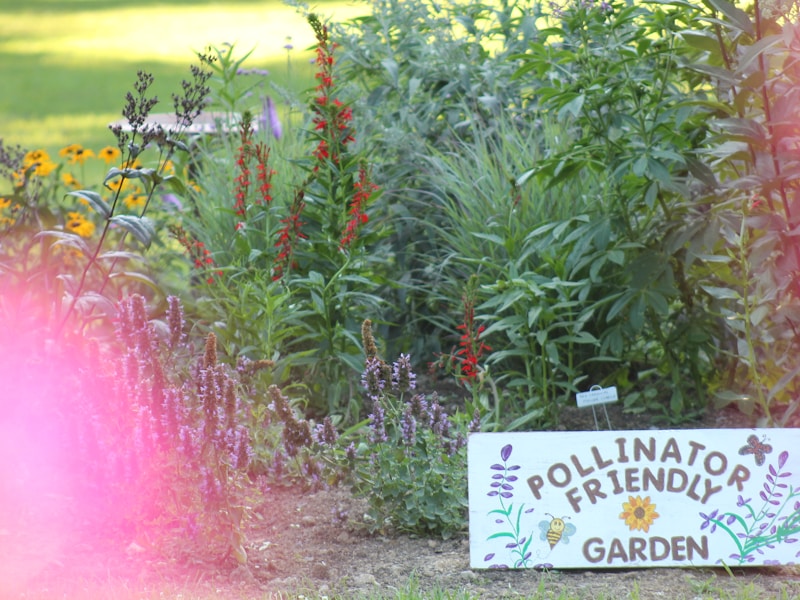
- Add Signage: Place educational signs (such as “Certified Wildlife Habitat” or “Pollinator Garden”) to transform neighbor curiosity into community pride.
- Design with Intent: Group native plants in deliberate drifts of color and texture rather than scattering them randomly. Use structural elements like birdhouses, fences, and decorative rocks to anchor the design.
Conclusion: Every Square Foot Matters
The ecological challenges we face can feel overwhelming, but backyard rewilding offers a tangible, highly effective way to make a measurable difference. We can no longer rely solely on remote national parks to protect our planet’s biodiversity. By reclaiming our yards, patios, and parkways, we can knit together a vibrant patchwork of living landscapes. When we heal the earth one backyard at a time, we discover that conservation isn’t something that happens somewhere else—it starts right outside our own back door.