Understanding the Weight of Eco-Anxiety in 2024
As climate change headlines become more frequent and severe, a growing number of people are experiencing what psychologists call eco-anxiety. This is not a clinical disorder, but rather a healthy and understandable response to the ecological crises facing our planet. Alongside eco-anxiety, climate grief—the feeling of loss associated with environmental degradation—has become a shared global experience in 2024. If you are feeling overwhelmed, anxious, or powerless, you are not alone.
5 Effective Coping Strategies for Climate Grief
While we cannot solve the climate crisis overnight, we can manage our emotional responses to it. Here are five practical strategies to help you navigate eco-anxiety and build emotional resilience this year.
1. Practice “Intention over Consumption” with Media
Constantly scrolling through doom-laden climate news can trigger a state of perpetual fight-or-flight. To protect your mental health, set boundaries around your news consumption. Dedicate specific times of the day to check environmental updates, and make sure to balance your feed with stories of climate solutions, ecological restoration, and community resilience.
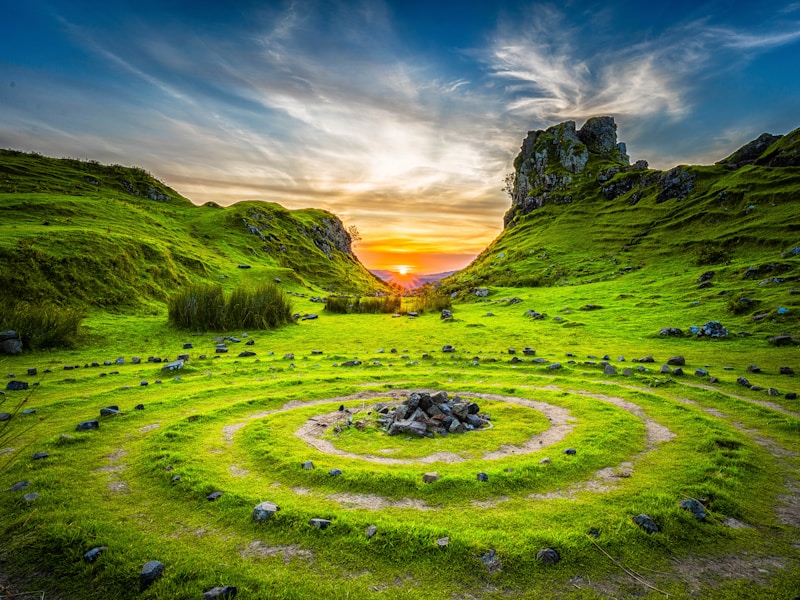
2. Embrace Ecotherapy and Nature Connection
Spending time in nature is one of the most effective ways to ground yourself. Known as ecotherapy or forest bathing, immersing yourself in natural environments helps reduce cortisol levels and restores a sense of peace. Reconnecting with the very Earth you are grieving for can foster a sense of mutual healing and remind you of what is still beautiful and worth protecting.
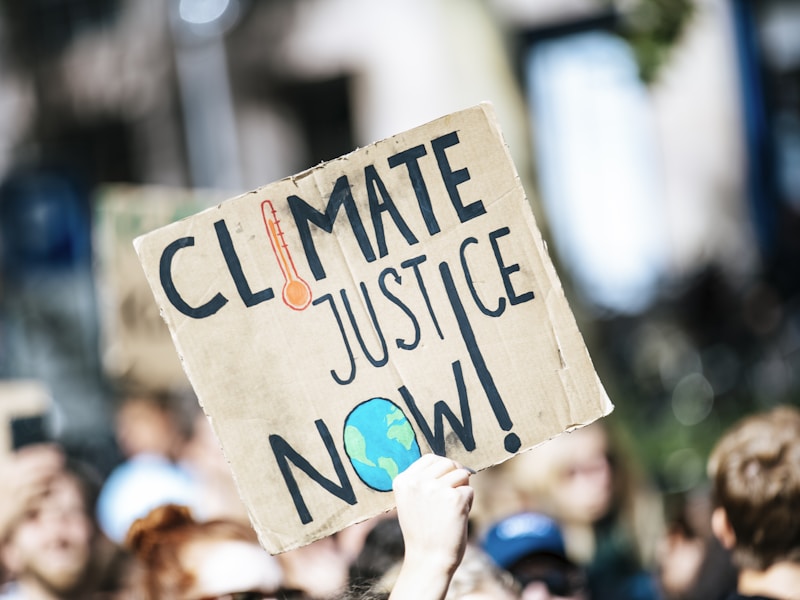
3. Channel Anxiety into Collective Action
Anxiety thrives on helplessness. Taking action is a powerful antidote, but individual actions (like recycling) can sometimes feel insignificant, leading to further frustration. Instead, focus on collective action. Join a local environmental group, participate in community gardening, or support policy advocacy. Working alongside others who share your values builds solidarity and reduces isolation.
4. Allow Yourself to Grieve
Suppressing your emotions will only prolong your anxiety. Climate grief is a form of disenfranchised grief—loss that is not always openly acknowledged or socially validated. Give yourself permission to feel sad, angry, or scared. Writing in a journal, creating art, or talking to like-minded friends can help you process these complex emotions productively.
5. Seek Climate-Aware Therapy
If your eco-anxiety is interfering with your daily life, sleep, or relationships, consider seeking professional support. The field of climate-aware therapy has grown significantly in 2024. Climate-aware therapists are trained to validate your environmental concerns rather than pathologizing them, providing you with tailored coping mechanisms to build long-term psychological resilience.
Moving Forward with Hope and Agency
Managing eco-anxiety is not about ignoring the reality of climate change; it is about sustaining yourself so you can remain engaged without burning out. By cultivating emotional resilience, you protect your own well-being and empower yourself to contribute positively to the future of our planet.