
The Great Cinematic Paradigm Shift
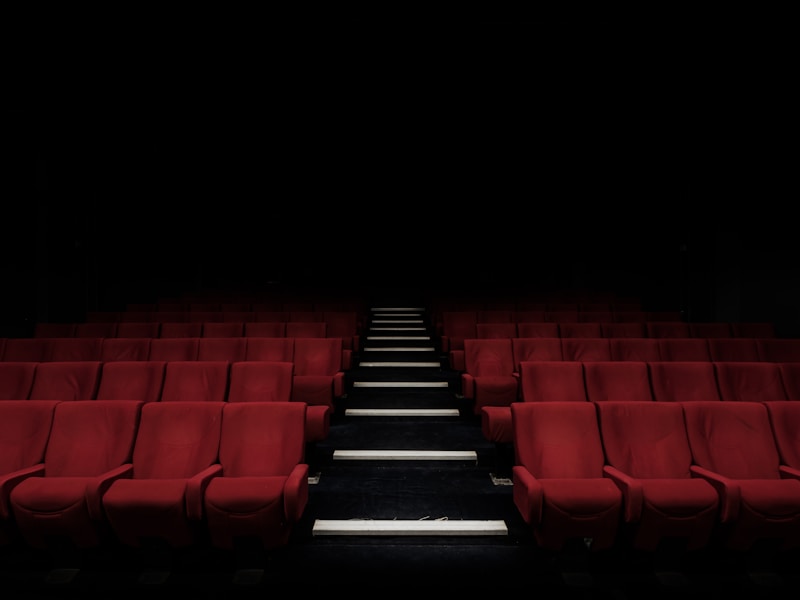
For over a century, the local cinema stood as the undisputed cathedral of culture. However, the rise of 4K OLED displays, high-end soundbars, and the convenience of streaming services has turned the average living room into a formidable competitor. With IMAX and premium large formats (PLF) serving as the final bastions of the ‘big screen’ experience, we must ask: how can traditional theaters survive in an era of home convenience?
The Technical Gap: IMAX vs. Domestic Limits
The core difference between IMAX and a home setup is not just screen size; it is physical scale and sensory immersion. IMAX utilizes custom-engineered 70mm film or dual-laser projection systems that offer a level of brightness, contrast, and color accuracy that current consumer hardware cannot match. Furthermore, the 1.43:1 aspect ratio provides a vertical field of vision that triggers an emotional response unreachable by standard widescreen televisions.

Why Convenience Isn’t Enough
The theater industry has long relied on exclusivity—the ‘theatrical window’—to draw crowds. As windows collapse, cinemas need to pivot toward experiential value. This means shifting from being a utility (showing movies) to an event (hosting memories). The path forward involves several strategic pillars:
- Upscale Dining & Amenities: Moving beyond popcorn to full-service, gourmet dining at the seat.
- Curated Social Spaces: Integrating lobbies as social hubs, not just transit zones.
- Technological Exclusivity: Investing in formats that physically cannot be replicated at home, such as 4DX motion seats or 360-degree immersive soundscapes.
The Power of Community and Shared Experience
The magic of cinema isn’t just the picture; it is the collective inhale of an audience during a suspenseful moment.
Home theaters are inherently solitary or limited to a small circle. The ‘collective effervescence’ of a packed house creates a social bond that algorithms cannot replicate. Cinemas must lean into this, creating events like retrospective marathons, director Q&As, and interactive screenings that make showing up in person a necessity rather than a choice.
The Road Ahead: Actionable Strategies
- Subscription Models: Moving toward predictable, value-driven pricing structures like AMC Stubs or Regal Unlimited to foster loyalty.
- Tech-First Upgrades: Retrofitting older auditoriums with high-contrast laser projection to justify ticket premiums.
- Diversified Programming: Expanding beyond tentpole blockbusters to include eSports tournaments, live stage performances, and community-driven content.
Conclusion
The traditional movie theater is not dead, but it is certainly evolving. While the living room provides comfort, the cinema provides something far more potent: an immersive event that escapes the confines of our daily domestic life. By embracing technology that creates impossible home experiences and fostering a sense of community, the cinema can ensure its place in our cultural landscape for the next century.