The New Arena: Live Music as the Ultimate Status Symbol
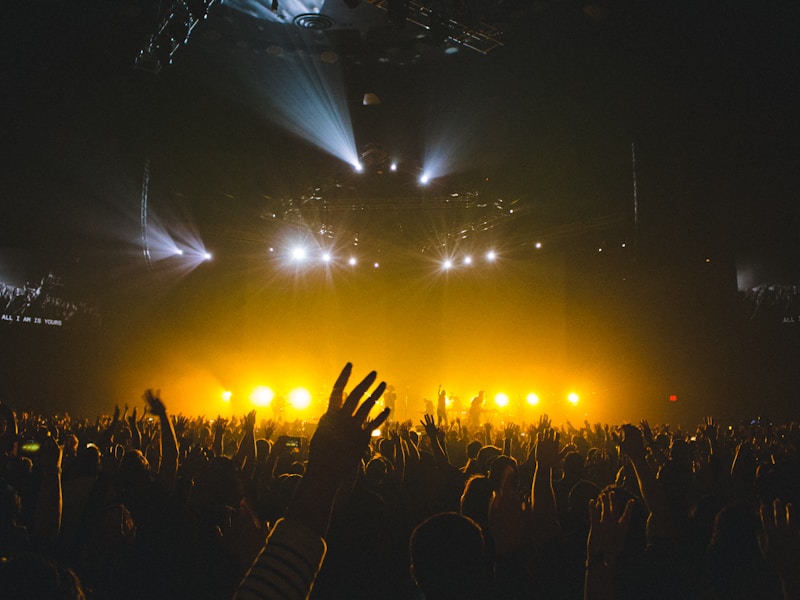
For decades, attending a live concert was a democratic, accessible rite of passage. Fans stood shoulder-to-shoulder in sweaty clubs and drafty arenas, united by a shared subculture and a ticket that rarely cost more than a day’s wages. Today, however, that reality has undergone a fundamental paradigm shift. Live music has transitioned from a casual weekend activity into a highly commodified, premium luxury asset class.
With ticket prices for major tours easily climbing into the thousands of dollars, attending a stadium show by artists like Taylor Swift, Beyoncé, or Coldplay is no longer just about the music. It is a high-status cultural event, a social media flex, and a premium travel destination all rolled into one. This is the era of the Billion-Dollar Tour Economy, where the live music ecosystem has been optimized for maximum extraction of consumer wealth through cutting-edge technology, corporate consolidation, and the relentless rise of the “experience economy.”
“Live music has transitioned from a discretionary entertainment expense to an experiential Veblen good—where astronomical prices themselves act as a marker of status, exclusivity, and cultural capital.”
The Streaming Paradox: Why Touring Became a Financial Lifeline
To understand why concert tickets have become so expensive, one must first look at the economics of modern music consumption. In the pre-streaming era, touring was largely a promotional tool designed to drive physical album sales. Artists and record labels were willing to break even or even lose money on the road if it meant selling millions of CDs.
The rise of digital streaming platforms like Spotify and Apple Music completely inverted this business model. While streaming democratized access to music for consumers, it decimated the direct income stream for the vast majority of recording artists. Today, streaming pays fractions of a cent per play, distributing the lion’s share of royalties to rights holders and record labels. For artists to generate meaningful revenue, they must hit the road. Touring, merchandise sales, and VIP sponsorships are no longer supplementary income—they are the primary financial engine of the entire music industry.
The Mechanics of Music Inflation: Dynamic Pricing and Monopoly Power
As artists became entirely dependent on live performances, the mechanics of ticketing evolved to maximize yield. The integration of algorithmic pricing models and corporate market dominance fundamentally changed how fans purchase tickets.
1. The Live Nation-Ticketmaster Duopoly
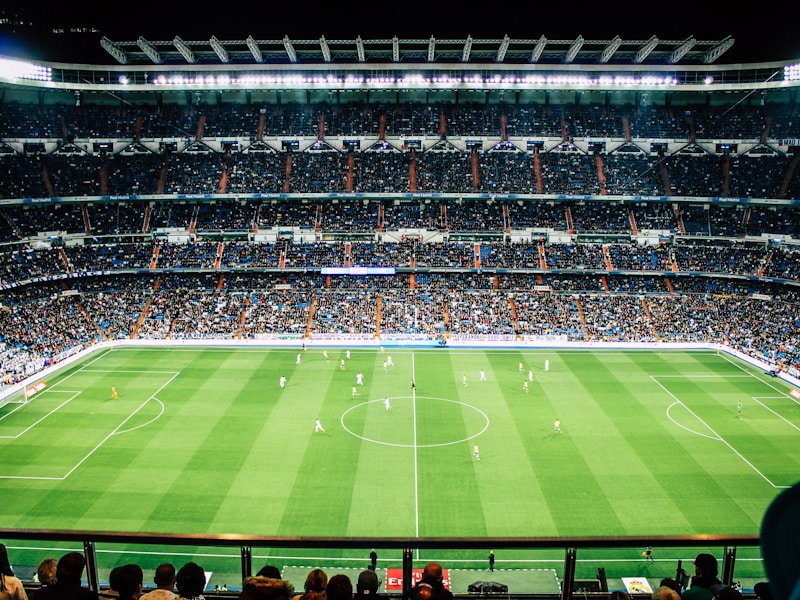
The 2010 merger of Live Nation and Ticketmaster created an unprecedented entertainment powerhouse. By controlling the primary ticketing platform, the promotion agency, and a vast portfolio of major venues, the consolidated entity established a vertical monopoly. This level of market dominance limits competition, allowing administrative, service, and facility fees to inflate the base cost of tickets by 30% to 50% before the buyer even reaches the checkout screen.
2. The Rise of Algorithmic ‘Dynamic Pricing’
Borrowing tactics from the airline and ride-sharing industries, ticketing platforms introduced dynamic pricing. This software-driven model automatically adjusts ticket prices in real-time based on fluctuating consumer demand. When millions of fans queue online simultaneously for a highly anticipated tour, the algorithm identifies the surge and automatically inflates ticket prices to astronomical levels. What starts as a $150 ticket can instantly morph into a $1,200 “Official Platinum” ticket, pricing out dedicated fans in favor of high-net-worth buyers.
Anatomy of the Luxury Experience: The VIP and Ultra-Premium Tiering
To capture the wallets of affluent consumers, promoters have masterfully segmented the concert crowd. It is no longer enough to offer General Admission and Seated tickets. Today’s major tours feature complex matrices of VIP tiers designed to turn a concert into a multi-sensory luxury package. These packages frequently include:
- Exclusive Lounge Access: Private, air-conditioned hospitality suites featuring bespoke cocktails, gourmet catering, and celebrity sightings.
- Premium Immersive Viewing: Dedicated on-stage viewing platforms, ultra-exclusive “pit” access directly adjacent to the performer, or soundcheck privileges.
- Commemorative Luxury Merchandise: High-end, limited-edition apparel and digital keepsakes that are completely unavailable to standard ticket holders.
- Concierege Services: Dedicated VIP entrances, private restrooms, and valet parking that strip away the traditional friction of attending a massive stadium event.
By creating these hyper-exclusive tiers, promoters can subsidize lower-priced nosebleed tickets while capturing the massive purchasing power of high-income fans who view concerts as premium networking or leisure events.
The Jet-Set Fan: The Rise of Global Music Tourism
The skyrocketing cost of local concert tickets has given rise to a fascinating macroeconomic phenomenon: global music tourism. Rather than spending $2,500 on a secondary-market ticket in their home city of New York or Los Angeles, thousands of fans are discovering that it is often more cost-effective to fly to Paris, Stockholm, or Tokyo to see their favorite artist live.
This shift has had a massive ripple effect on local economies. When a major stadium tour rolls into a city, it triggers a surge in hotel bookings, restaurant reservations, regional transportation demand, and retail sales. Municipalities now actively lobby for tour dates, recognizing that a single weekend of stadium shows can inject tens of millions of dollars into their local economies. The live music experience is no longer just a concert—it is a cornerstone of the global luxury travel sector.

Can the Grassroots Music Scene Survive?
As the top 1% of touring artists capture an increasingly dominant share of the industry’s total revenue, independent artists and grassroots music venues are facing an existential crisis. The rising costs of production—including fuel, tour buses, venue insurance, and labor—have made mid-tier and entry-level touring financially non-viable for many emerging acts.
When consumers spend thousands of dollars on a single stadium experience, they have less disposable income to spend on local, independent shows. This imbalance threatens the organic talent pipeline that develops the headliners of tomorrow. For the live music ecosystem to remain healthy in the long term, industry leaders must find a balance between high-end commercial optimization and the preservation of accessible, community-focused musical spaces.
Conclusion: The Future of the Live Experience
The transformation of live music into a luxury experience is a reflection of a broader societal shift toward the valuation of experiences over material possessions. While the corporate optimization of ticketing and stadium logistics has created an unprecedented financial gold rush for superstars and promoters, it has also fundamentally altered the cultural accessibility of music.
As we look to the future, the challenge for the music industry will be ensuring that the magic of live performance remains within reach of the everyday fan. Whether through regulatory oversight of ticketing platforms, artist-led price caps, or renewed support for local independent venues, preserving the democratic soul of live music is essential for keeping the culture alive.