

The Paradox of Paradise: Can Ultra-Luxury Ever Truly Be Green?
For decades, the concept of luxury travel was synonymous with excess: imported delicacies flown across oceans, colossal swimming pools carved into arid landscapes, and private jets idling on remote runways. This carbon-intensive model created a stark dichotomy between high-end indulgence and environmental preservation. However, a seismic shift is occurring. Today’s affluent travelers are demanding more than just opulent isolation; they seek alignment with their ecological and ethical values. This has birthed the era of eco-luxury—a paradigm that challenges the hospitality industry to prove that high-end travel and environmental conservation can not only coexist but actively reinforce one another.
The Ecological Footprint of Traditional Luxury
To understand the necessity of eco-luxury, we must first address the environmental toll of traditional high-end hospitality. Luxury resorts historically consume up to three times more water and energy per guest than mid-scale hotels. The carbon footprint associated with long-haul business class flights, private yacht charters, and the supply chains required to source gourmet ingredients from across the globe is staggering. Furthermore, the construction of luxury properties in ecologically sensitive zones—such as pristine coastlines, coral reefs, and dense rainforests—has often led to habitat fragmentation and biodiversity loss.
‘True luxury is not about consuming the earth’s resources; it is about appreciating them in a way that ensures their survival for generations to come.’
Reimagining High-End Hospitality: The Pillars of Genuine Eco-Luxury
Eco-luxury is not merely about replacing plastic straws with paper ones or inviting guests to reuse their towels. It requires a holistic, ground-up reimagining of the entire hospitality ecosystem. Truly sustainable luxury operates on three core pillars:
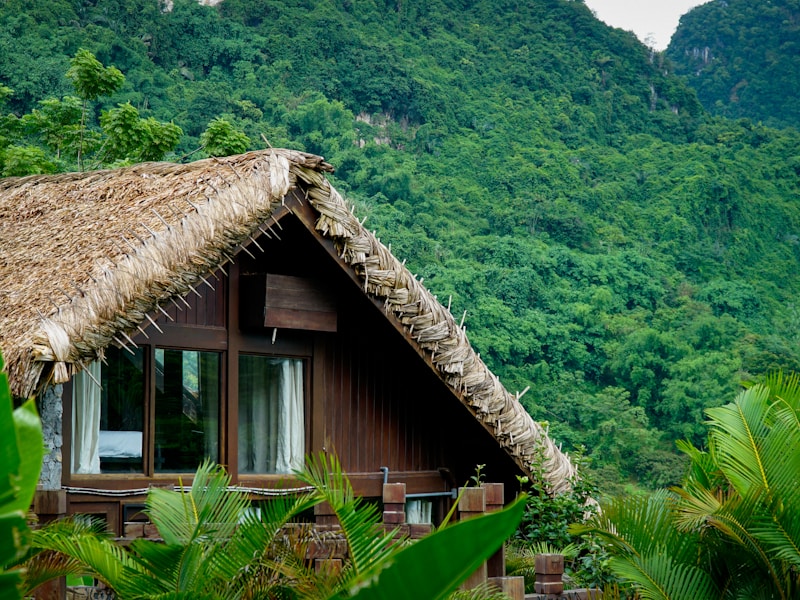
- Regenerative Architecture: Designing properties that blend seamlessly into the local topography, utilizing locally sourced, non-toxic, and renewable materials. These structures often leverage biophilic design principles to minimize energy needs for cooling and lighting.
- Circular Resource Management: Achieving zero-waste-to-landfill status through rigorous recycling, composting, and greywater recycling systems. Leading resorts generate their own clean energy via solar, wind, or geothermal installations.
- Biodiversity and Community Stewardship: Investing directly in the protection of local ecosystems and the economic empowerment of indigenous communities. A luxury resort should act as a sanctuary for both wildlife and human heritage.
Case Studies in Eco-Luxury: Pioneers of the Movement
Several trailblazing properties around the world demonstrate that compromise is unnecessary when merging high-end hospitality with radical conservation efforts.

1. Soneva Fushi, Maldives: Decarbonizing the Atolls
Soneva Fushi has long been the gold standard for ‘barefoot luxury.’ The resort operates on a philosophy of ‘No News, No Shoes,’ but its environmental commitment is highly sophisticated. Soneva enforces a mandatory 2% carbon levy on all guest stays, which funds the Soneva Foundation’s global reforestation and clean energy projects. Locally, their ‘Eco Centro’ waste-to-wealth facility recycles over 90% of the resort’s solid waste, transforming organic matter into nutrient-rich compost and glass bottles into stunning studio art.
2. Singita, East and Southern Africa: Conservation-First Hospitality
Singita’s business model is unique: it is a conservation brand funded by low-impact, high-yield tourism. By offering ultra-exclusive safari lodges, Singita secures large tracts of wilderness, protecting critical ecosystems from poaching, agriculture, and urban encroachment. The revenue generated from nightly stays directly funds anti-poaching units, wildlife research, and community-run agricultural cooperatives, proving that high-end tourism can be the primary financial engine for conservation.
3. The Brando, French Polynesia: Pioneering Carbon Neutrality
Located on the breathtaking atoll of Tetiaroa, The Brando is a model of sustainable engineering. The resort utilizes a Sea Water Air Conditioning (SWAC) system, which draws cold deep-sea water to cool the entire property, reducing energy consumption for air conditioning by up to 90%. Combined with solar panels and coconut oil biofuel, the resort operates near carbon neutrality while maintaining a LEED Platinum certification—the highest standard for green building design.

How Discerning Travelers Can Vet Eco-Luxury Properties
As the demand for eco-luxury grows, so does the risk of ‘greenwashing’—where properties use marketing jargon to inflate their environmental credentials. To ensure your investment supports genuine conservation, look for the following indicators:
- Third-Party Certifications: Look for recognized global standards such as EarthCheck, Green Globe, or LEED certification. These require rigorous, independent audits of a property’s operations.
- Transparent Impact Reports: Reputable eco-luxury brands publish detailed annual reports detailing their water usage, carbon emissions, waste diversion rates, and community contributions.
- Local Employment and Supply Chains: Ensure the resort hires a significant majority of its staff from the local community and pays fair, living wages. Ask if food and materials are sourced within a 100-mile radius.
- Active Ecological Restorations: Does the resort actively fund coral reef restoration, reforestation, or endangered species protection? A true eco-resort leaves the destination better than they found it.
The Path Forward: A Regenerative Future
The future of luxury travel lies not in doing ‘less harm,’ but in doing ‘more good.’ Regenerative travel asks hospitality brands and travelers to become active participants in healing the planet. By shifting the luxury narrative from ownership and consumption to stewardship and transformation, we can enjoy the world’s most spectacular destinations while ensuring they remain pristine for the future. The coexistence of high-end travel and environmental conservation is not just an idealistic dream; it is the only viable path forward for the global tourism industry.