
Introduction: The Mirage of Hyper-Mobility
For decades, the global tourism industry operated under a singular, unquestioned directive: speed. The advent of ultra-cheap commercial aviation democratized travel, shrinking the globe and turning far-flung destinations into weekend getaways. However, this hyper-mobility has come at an unsustainable cost. Overtourism is degrading cultural landmarks, while the aviation industry accounts for a massive share of global greenhouse gas emissions. In response to this ecological crisis, a profound counter-cultural shift is taking root: Slow Travel.
Slow travel is not merely an alternative way of moving through space; it is a philosophical revolution. It challenges the modern obsession with checking off bucket-list destinations in favor of deep immersion, localized exploration, and ecological mindfulness. By skipping flights and embracing overland travel, modern explorers are discovering that the journey itself can be the most rewarding part of the adventure.
The True Cost of Aviation: Beyond the Carbon Footprint
To understand the necessity of slow travel, we must first confront the ecological reality of aviation. While aviation is often cited as contributing roughly 2.5% of global carbon dioxide (CO2) emissions, its actual climate impact is significantly higher. This discrepancy lies in high-altitude atmospheric chemistry.
When airplanes burn fuel at cruising altitudes, they emit nitrogen oxides (NOx), water vapor, soot, and sulfate aerosols. These substances interact with the atmosphere to create contrails and cirrus clouds that trap heat radiating from the Earth. This phenomenon, known as radiative forcing, effectively triples the warming impact of aviation emissions compared to CO2 alone. Consequently, taking a single long-haul flight can emit more greenhouse gases than an average citizen in many developing nations produces in an entire year.
Carbon offsetting schemes, once hailed as a panacea, have largely proven to be ineffective greenwashing strategies. Tree-planting initiatives and renewable energy credits cannot scale fast enough to neutralize the immediate, compounding damage of high-altitude emissions. The only truly effective way to reduce travel-related emissions is simple: fly less.

The Philosophy of Slow Travel: Quality Over Quantity
Rooted in the concepts of the Slow Food movement that began in Italy during the 1980s, slow travel encourages a shift from consumerist sightseeing to authentic connection. When we fly, we essentially teleport from one highly commercialized airport hub to another, completely bypassing the geographical, cultural, and ecological transitions that lie in between. This disembodied form of travel fosters a superficial relationship with the places we visit.
‘Slow travel is the conscious choice to reject speed in favor of connection. It is the realization that a region cannot be understood by merely flying over it.’
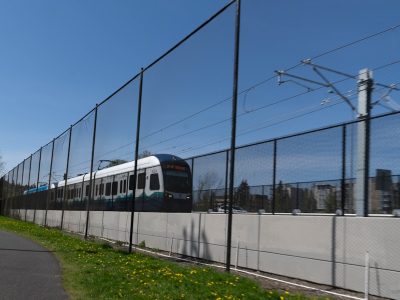
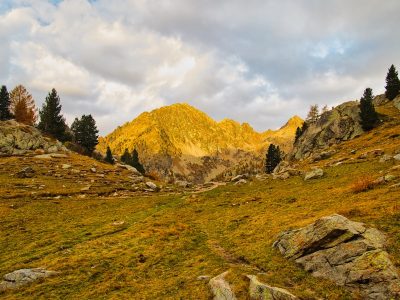
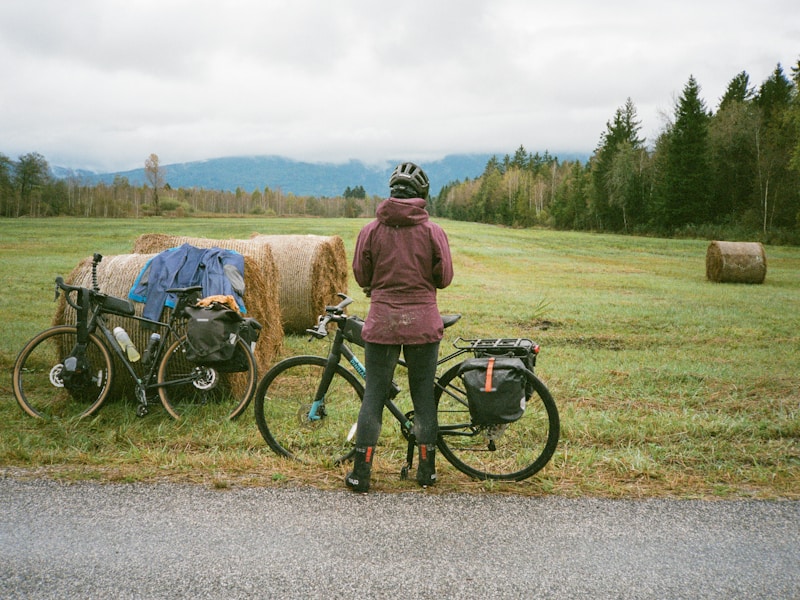
By opting for trains, buses, ferries, bicycles, or foot travel, the transition between cultures becomes a gradual, enriching experience. You watch the landscape shift from rolling hills to rugged mountains; you observe how regional dialects blend at border towns; and you witness the subtle changes in local architecture and cuisine. This gradual deceleration prepares the mind to receive new environments with greater curiosity and respect.
The Practical Infrastructure of Overland Exploration
Skipping flights does not mean sacrificing adventure; in fact, it dramatically expands it. Modern overland infrastructure is undergoing a massive renaissance, making flight-free travel more accessible than ever before.
The Night Train Renaissance
Across Europe and parts of Asia, night trains are experiencing an unprecedented revival. Led by innovative operators like Austria’s ÖBB Nightjet, travelers can now board a train in Vienna or Munich in the evening, enjoy a comfortable sleep in a private cabin, and wake up refreshed in Paris, Rome, or Brussels. Night trains eliminate the stress of airport security, baggage fees, and hotel costs for a night, making them both economically and logistically competitive with budget flights.
The Magic of Transcontinental Railways
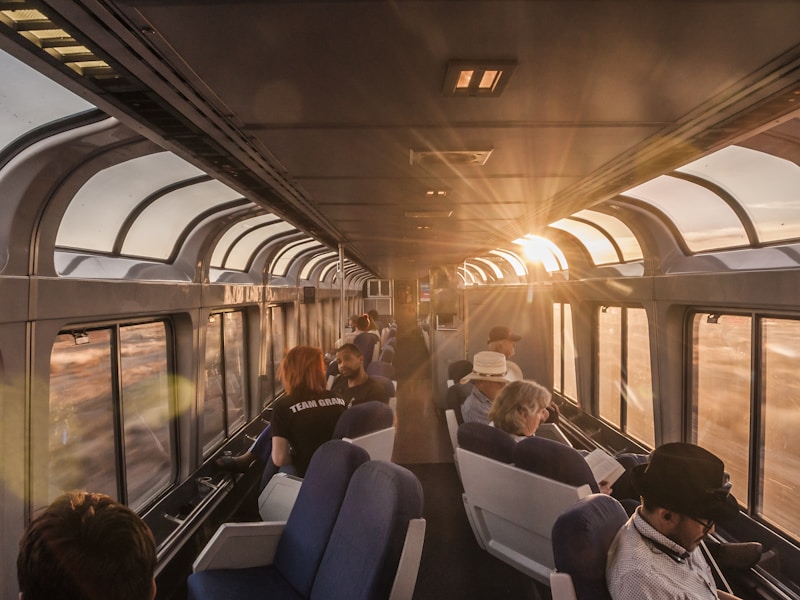
For those seeking grand adventures, transcontinental rail routes offer some of the most spectacular journeys on Earth. The Trans-Siberian Railway, the Indian Pacific in Australia, or Canada’s Via Rail allow travelers to cross entire continents, experiencing the vastness of our planet in a way that is utterly impossible from 35,000 feet in the air.
Socio-Economic Benefits of the Slow Travel Movement
Beyond environmental conservation, slow travel plays a vital role in redistributing economic benefits to local communities. Mass tourism, heavily facilitated by budget airlines, tends to concentrate wealth in a few highly commercialized hotspots while starving surrounding rural areas of economic opportunity. This is known as tourism leakage, where the majority of money spent on flights, international hotel chains, and booking platforms never reaches the local economy.
In contrast, slow travelers naturally move through lesser-known towns and villages. They buy food from local markets, stay in family-run guesthouses, and hire local guides. This decentralizes the economic impact of tourism, providing sustainable livelihoods to rural populations and helping to preserve cultural heritage that might otherwise be lost to urbanization.
How to Transition to Slow Travel: A Step-by-Step Guide
Adopting a slow travel mindset requires a restructuring of how we plan our journeys. Here are practical strategies to help you transition away from aviation:
- Embrace the ‘One-Flight-Less’ Rule: If you are not ready to go completely flight-free, commit to replacing just one short-haul flight per year with a train or bus journey. Short-haul flights are the most carbon-intensive per passenger-kilometer.
- Use Dedicated Overland Routing Tools: Traditional search engines prioritize flights. Use platforms like The Man in Seat Sixty-One for detailed train routing, or Rome2Rio to discover multi-modal overland routes across the globe.
- Redefine Your Vacation Time: Instead of taking four long-weekend trips per year that require flights, consolidate your vacation days into one extended two-week trip. This allows you to travel further overland and truly immerse yourself in your destination.
- Value the In-Between Spaces: Plan itineraries that treat train transfers and layovers as micro-adventures. A three-hour stopover in a historic city can yield an unexpected culinary experience or a scenic walk.
Conclusion: Decelerating into the Future
The climate crisis demands a fundamental shift in our relationship with speed. The rise of slow travel represents more than just a passing trend; it is the blueprint for the future of ethical exploration. By choosing to slow down, we reclaim our agency as travelers. We trade the sterile stress of airport terminals for the rhythmic clacking of train tracks and the unfolding of magnificent landscapes. In doing so, we not only protect the planet we love to explore, but we also rediscover the true, transformative magic of the journey.