

The Paradigm Shift in Sports Fandom
For over a century, the core mechanics of watching live sports remained relatively unchanged: fans either purchased a ticket to sit in the stadium or tuned into a synchronized, linear broadcast on a television screen. While high-definition cameras, instant replays, and expert commentary enriched the viewing experience, the dynamic remained inherently passive. The fan was a spectator, positioned firmly outside the field of play.
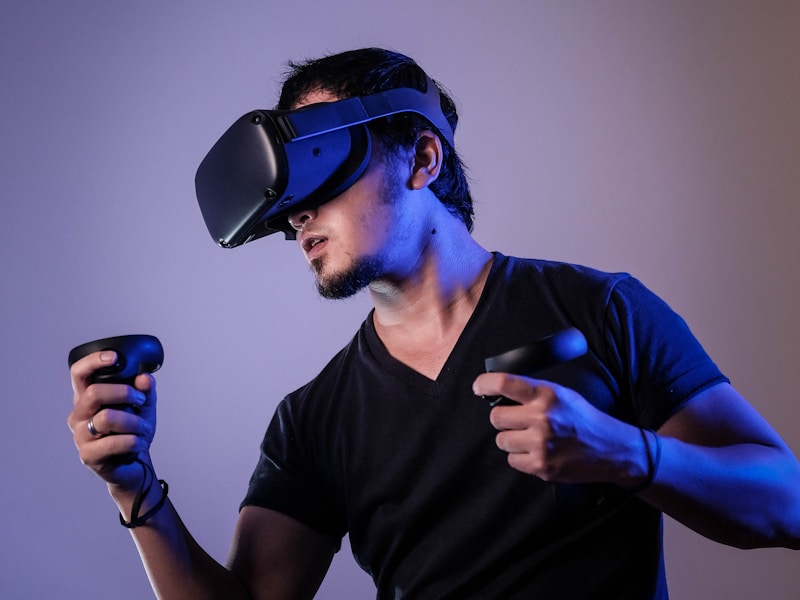
Today, we are witnessing a tectonic shift driven by spatial computing. The integration of Virtual Reality (VR) and Augmented Reality (AR) is fundamentally dismantling the barrier between the fan and the field. No longer bound by the physical limitations of seat geography or camera angles, fans are transitioning into active participants who can customize their vantage point, interact with live data overlays, and socialize in virtual replica stadiums. This is not a futuristic concept; it is the modern battleground for fan engagement.
The Virtual Stadium: Dematerializing the Front-Row Experience
Sitting Courtside from Across the Globe
One of the most powerful applications of VR in live sports is the democratization of premium seating. Front-row, courtside, or VIP suite tickets to events like the NBA Finals, the Super Bowl, or the UEFA Champions League final are financially prohibitive and physically limited to a select few. VR bypasses these constraints entirely.
Using ultra-high-resolution 180-degree and 360-degree stereoscopic camera rigs positioned strategically around the venue, broadcasters can stream immersive, live feeds directly to VR headsets like the Meta Quest, Apple Vision Pro, or HTC Vive. A fan sitting in a living room in Tokyo can experience the exact perspective of a front-row seat at Madison Square Garden, complete with spatial audio that captures the squeak of sneakers and the roar of the crowd in three-dimensional space.
Social VR and Virtual Fan Communities
Fandom is inherently social. Watching a game alone in a headset can feel isolating, which is why sports organizations are investing heavily in social VR platforms. Through collaborative virtual spaces, fans can create custom avatars and join friends or global fan clubs in virtual suites.
‘The true killer app of VR sports is not just seeing the game from the player’s perspective, but high-fiving your friend’s avatar who is physically located thousands of miles away as your team scores.’
Platforms like Xtadium and Meta Horizon Worlds allow fans to watch live games on giant virtual screens within custom-designed clubhouses. These spaces can be customized with digital memorabilia, interactive games, and integrated voice chats, turning sports viewing back into a shared community ritual.

The Data-Infused Arena: Augmented Reality on the Second Screen
While VR transports users to entirely virtual environments, AR enhances the real world. For fans attending live games or watching on television, AR solves a major pain point: the desire for instantaneous, contextual information without looking away from the action.
Real-Time Analytics and Spatial Overlays
By leveraging advanced optical tracking technologies like Hawk-Eye, Next Gen Stats (NGS), and camera-to-cloud infrastructure, live broadcasters and app developers can overlay real-time data directly onto the playing field. For example, when viewing a game through an AR-enabled smartphone app or smart glasses, a fan can see:
- The real-time speed of a soccer player making a run.
- The projected trajectory and velocity of a baseball pitch.
- Interactive shot charts floating above a basketball hoop.
- Live player names, defensive coverages, and route trees mapped onto a football field.
This level of detail appeals heavily to the younger, digitally native demographic who are accustomed to gaming interfaces. It bridges the gap between video games like FIFA or Madden and actual live-action sports.
Gamification, Web3, and New Revenue Streams
The marriage of AR/VR with sports does not just improve the user experience; it introduces entirely new monetization models for sports franchises, leagues, and sponsors.
Virtual Merchandise and Spatial Commerce
Just as video games generate billions in revenue through digital skins and cosmetics, sports leagues are exploring virtual merchandising. Fans can purchase digital jerseys, hats, and limited-edition sneakers to dress their avatars for game day. These digital assets can be tied to non-fungible tokens (NFTs), ensuring scarcity and ownership across different virtual platforms.

Interactive Sponsorships
Traditional stadium billboards are static and limited by physical space. With AR, advertising becomes dynamic, hyper-targeted, and interactive. A fan pointing their phone at the court could trigger an interactive 3D portal sponsored by a brand, allowing them to play a quick mini-game to win discount codes for physical merchandise or concessions.
Technical Hurdles: The Path to Mass Adoption
Despite the immense promise, the widespread adoption of VR and AR in live sports faces several technical and infrastructure challenges that the industry must solve over the coming years.
- Bandwidth and Latency: Streaming high-fidelity, interactive 3D environments requires massive bandwidth and extremely low latency. Traditional streaming delays of 30 seconds are unacceptable for interactive betting or real-time AR overlays. The deployment of 5G, 6G, and edge computing is vital to achieving sub-second latency.
- Hardware Ergonomics and Accessibility: Current VR headsets can be heavy, causing discomfort during a three-hour game. AR glasses, while progressing rapidly, have not yet reached the sleek, lightweight form factor required for everyday consumer adoption.
- Volumetric Video Capture: True free-viewpoint television (where a fan can move their camera angle anywhere on the field in real-time) requires volumetric video capture. This involves surrounding a field with dozens of specialized high-resolution cameras and processing petabytes of data on the fly, which is currently incredibly expensive to implement.
Actionable Strategy for Sports Brands and Broadcasters
For organizations looking to capitalize on this technological shift, a phased, strategic roadmap is crucial:
- Start with the Second Screen: Build accessible, mobile-first AR experiences within existing team apps. Use simple smartphone-based tracking to display player stats and interactive 3D replays to get fans accustomed to spatial interfaces.
- Form Strategic Tech Partnerships: Partner with telecommunication giants, cloud compute providers, and spatial engine developers (like Unity or Unreal Engine) to build out the backend infrastructure needed for high-quality spatial streams.
- Invest in Volumetric Data Assets: Begin capturing games in volumetric formats now. Building a rich library of spatial content will position brands ahead of the curve as next-generation consumer AR hardware hits the mainstream market.
Conclusion: The Ultimate Stadium is Personal
The future of live sports is not defined by physical stadium seating capacity or the limitations of a TV broadcast. The future stadium is virtual, interactive, and highly personalized. Through the power of VR and AR, every fan in the world can have a front-row seat, a personal statistician, and a global community right at their fingertips. As spatial computing technologies mature and hardware becomes more accessible, the lines between physical reality and digital enhancement will blur entirely, creating an era of sports entertainment that is more immersive, social, and exciting than ever before.