

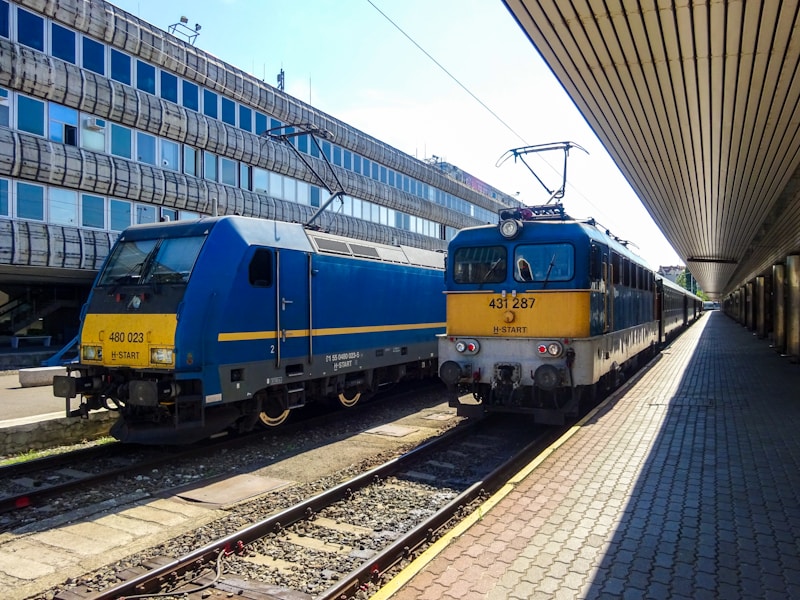
The Great European Transit Debate: Speed vs. Soul
For decades, the default formula for a European vacation was simple: book a cheap multi-city flight, rush through airport security, land in a new capital, and repeat. But as travelers increasingly search for depth over distance, a quiet revolution is taking place. Enter slow travel—a philosophy that prioritizes connection, mindfulness, and the journey itself over checking off bucket-list monuments. At the heart of this movement is a classic showdown: the train versus the plane.
While budget airlines promise rapid transit for the price of a fancy dinner, they often strip the magic from exploration. On the other hand, Europe’s vast, high-speed rail network offers a front-row seat to the continent’s evolving landscapes, historic architectures, and diverse cultures. This comprehensive guide will dissect the realities of train versus plane travel and show you exactly how to design a stunning, stress-free slow travel itinerary across Europe.
The True Cost of Convenience: Train vs. Plane
To make an informed choice for your European adventure, we must look beyond the initial ticket price. Let’s compare the two modes of transport across three critical vectors: actual travel time, total financial cost, and environmental impact.
1. The Time Paradox
A flight from Paris to Amsterdam takes roughly 1 hour and 15 minutes, while the Eurostar train takes about 3 hours and 20 minutes. On paper, flying wins. However, the “airport time tax” is rarely calculated in tourist brochures. Consider the following flight timeline:
- Travel to the airport (often located 45-60 minutes outside the city center): 1 hour
- Checking bags and passing security (recommended arrival time): 2 hours
- Flight time: 1.25 hours
- Baggage claim and transit from the arrival airport to the city center: 1 hour
Total Flight Time: 5.25 hours. Meanwhile, the train departs from Gare du Nord in central Paris and arrives at Amsterdam Centraal. You only need to arrive 20 minutes before departure, there are no liquid restrictions, and you can walk off the train directly into the heart of your destination. When traveling distances under 500 miles, the train is almost always faster or time-equivalent to flying.
2. Financial Realities and Hidden Fees
Budget carriers are famous for their $19 tickets. However, once you add baggage fees, seat selection, airport transfer buses, and boarding pass printing fees, that cheap ticket can easily triple in price. Trains offer transparent pricing. Your ticket includes two large suitcases, a carry-on, no weight restrictions, and free seat selection on most regional routes.
3. The Ecological Footprint
For eco-conscious travelers, the choice is stark. Taking a train instead of a short-haul flight cuts your carbon emissions by up to 85-90%. Choosing the rails is the single most impactful decision you can make to reduce your carbon footprint while exploring the world.
The Anatomy of a Stunning Slow Travel Itinerary
Crafting a slow travel itinerary requires a shift in mindset. Instead of treating transit as lost time, treat it as a core component of your experience. Here is how to structure your journey step-by-step.
Step 1: The “Hub-and-Spoke” Strategy
Instead of changing hotels every night, select a few strategic “hubs” where you stay for 4 to 7 days. From these hubs, take day trips (“spokes”) to nearby villages, nature reserves, or smaller historic towns. This minimizes the stress of packing and unpacking while allowing you to truly integrate into a local neighborhood.
For example, instead of moving between Florence, Siena, and Lucca, base yourself in Florence. Use Tuscany’s regional trains to take easy, 30-minute day trips to the surrounding countryside.
Step 2: Incorporate Legendary Scenic Routes
Europe is home to some of the most beautiful railway journeys on Earth. Design your route around these bucket-list tracks:
- The Bernina Express (Switzerland to Italy): Crosses the Alps via towering stone viaducts and glittering glaciers.
- The Rhine Valley Line (Germany): Winds along the Rhine River, passing medieval castles and steep vineyards between Mainz and Koblenz.
- The West Highland Line (Scotland): Takes you through the wild Scottish Highlands, over the famous Glenfinnan Viaduct.
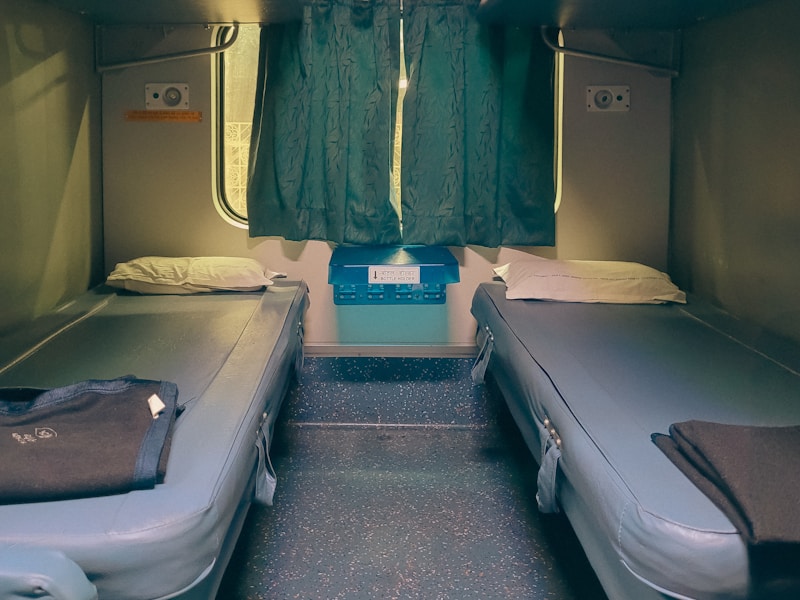
Step 3: Leverage Night Trains
Night trains are experiencing a massive renaissance in Europe. Operators like ÖBB Nightjet allow you to fall asleep in Munich or Vienna and wake up to fresh croissants in Rome, Venice, or Paris. By using sleeper trains, you save the cost of a hotel night and maximize your daytime exploring hours.
A Classic 14-Day Slow Travel Itinerary: The Alpine-Italian Gateway
To help you visualize this concept, here is a perfectly balanced, highly scenic slow travel itinerary traversing three countries without a single flight.
Route Overview: London (UK) → Paris (France) → Zurich & Lake Lucerne (Switzerland) → Como & Venice (Italy)
Days 1-3: The Parisian Prelude
Begin by boarding the Eurostar from London St Pancras to Paris Gare du Nord. Spend three days exploring the quieter arrondissements, wandering along the Canal Saint-Martin, and dining at traditional bistros. Staying in one place allows you to adapt to the local rhythm.
Days 4-7: Alpine Majesty in Central Switzerland
Catch a high-speed TGV Lyria train from Paris to Zurich (just over 4 hours). From Zurich, take a short, 45-minute regional train to Lucerne. Use Lucerne as your hub. Spend your days taking historic paddle steamers across Lake Lucerne and riding steep cogwheel railways up Mount Rigi or Mount Pilatus.
Days 8-10: Italian Lake Romance
Board the EuroCity train southward through the Gotthard Base Tunnel—the deepest railway tunnel in the world—directly to Como, Italy. Spend three days enjoying the slow-paced life of Lake Como, hopping between lakeside villages like Varenna and Bellagio via local ferries.
Days 11-14: The Venetian Finale
Take a direct Frecciarossa high-speed train from Milan to Venice. Arrive at Santa Lucia station, where the doors open directly onto the Grand Canal. Spend your final days exploring the labyrinthine alleyways of the lagoon city after the cruise ship crowds have departed for the day.
Essential Booking Tools and Hacks for Rail Travelers
Navigating European rail systems can seem intimidating, but a few key resources make it incredibly straightforward:
- The Man in Seat 61: The ultimate, gold-standard website for understanding how to travel by train anywhere in the world. Use it to decipher routes, seat classes, and connection times.
- Eurail and Interrail Passes: If you plan to travel extensively across multiple countries, a Eurail pass (for non-Europeans) or Interrail pass (for European residents) offers unparalleled flexibility and cost savings.
- Direct Booking: Always book directly through the national rail operators (like SNCF for France, DB for Germany, Trenitalia for Italy) to secure the lowest prices and easiest refund options. Avoid third-party aggregators when possible.
Conclusion: Embracing the Romance of the Rails
Slow travel is more than a logistical choice; it is a commitment to experiencing the world with all your senses. When you choose the train over the plane, you trade sterile airport terminals, security lines, and recycled air for panoramic windows, local dining cars, and the soothing rhythm of the tracks. You watch the borders melt away, the architecture shift, and the landscape transform. In a world obsessed with speed, choosing the slower path is the ultimate luxury. Plan your European rail adventure today, and rediscover the joy of the journey.