


The New Era of Retail: Why Measurement is Key in 2024
Livestream commerce has officially transitioned from a novel experiment into a foundational sales channel for global brands. As we navigate 2024, the market has matured significantly. Brands are no longer satisfied with simply ‘going live’ and hoping for the best; they demand predictable, repeatable, and scalable returns on their investments. In this hyper-competitive landscape, understanding your metrics is the difference between a high-performing retail channel and an expensive branding exercise.
To truly unlock the potential of live shopping, marketers and e-commerce leaders must look beyond basic vanity metrics. This comprehensive guide outlines the critical key performance indicators (KPIs) you need to track this year, organized by funnel stage, to ensure your live commerce strategy drives real business growth.
“In livestream commerce, data isn’t just a post-mortem tool—it is a live-action compass that guides your hosts, your inventory allocations, and your real-time promotion strategies.”
1. The Engagement Funnel: Upper-Funnel Metrics
Before you can convert viewers into buyers, you must capture and retain their attention. Upper-funnel metrics tell you how well your promotional efforts worked and how engaging your content is in real-time.
Peak Concurrent Viewers (PCV) vs. Average Concurrent Viewers (ACV)
While Peak Concurrent Viewers (PCV) represents the absolute maximum number of people watching your stream at a single moment, it can be a misleading metric. A massive spike driven by a giveaway or an influencer appearance might drop off immediately.
In contrast, Average Concurrent Viewers (ACV) offers a more accurate picture of your stream’s overall health and sustained interest. Comparing the ratio of PCV to ACV helps you understand if your audience stayed engaged throughout the entire broadcast or left after a specific segment.
Average Watch Time (AWT) and Viewer Retention Rate
Perhaps the most critical indicator of content quality is how long viewers stick around. If your average stream is 30 minutes long but your Average Watch Time is only 45 seconds, there is a fundamental disconnect between your audience’s expectations and your live execution. Aim to calculate your Retention Rate:
Retention Rate = (Average Watch Time / Total Broadcast Duration) x 100
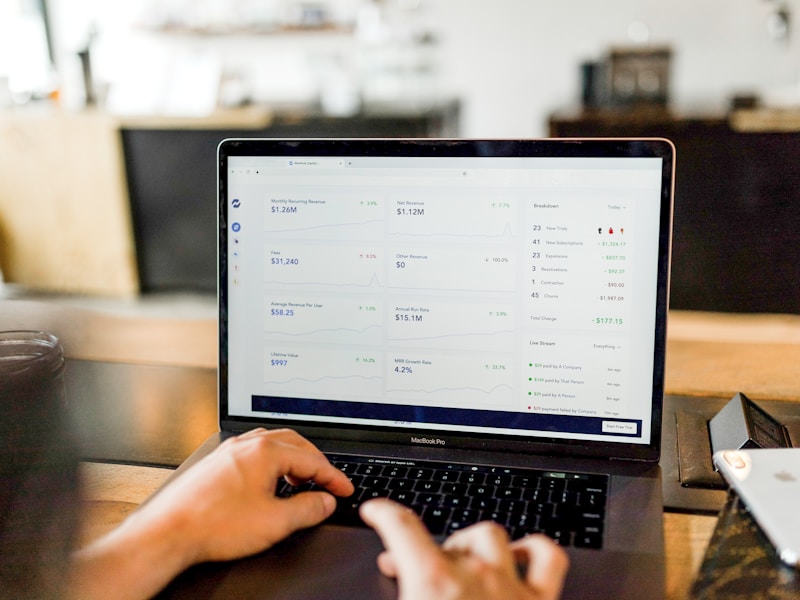
In 2024, top-performing brands aim for a viewer retention rate of 15% to 25%, depending on the platform and audience demographics.
Interaction Rate (Comments, Likes, Shares)
Livestreaming is a two-way street. Unlike traditional television, the value lies in active participation. Tracking the volume of comments, emojis sent, polls answered, and shares per minute tells you how deeply the audience is connecting with your host and products. High interaction rates also trigger platform algorithms to push your live feed to a broader audience.
2. The Conversion Funnel: Middle to Lower-Funnel Metrics
At its core, livestream commerce is a transactional channel. To justify your production costs, you must carefully monitor how engagement translates into financial value.
Add-to-Cart (ATC) Rate
The Add-to-Cart rate is a vital leading indicator of purchase intent during a live broadcast. It measures the percentage of unique viewers who clicked on a product link and added the item to their shopping cart. A high ATC rate combined with a low conversion rate points to friction in the checkout process, such as unexpected shipping costs or complicated payment gateways.
Live Conversion Rate (LCR)
This is the gold standard metric for transactional success. It is calculated by dividing the number of completed transactions during the live window by the total number of unique viewers.
While standard e-commerce conversion rates hover around 1% to 2%, highly optimized livestream shopping events regularly achieve conversion rates of 10% to 20%. Tracking this allows you to compare the efficiency of different hosts, product categories, and broadcasting time slots.
Average Order Value (AOV) of Live Shoppers
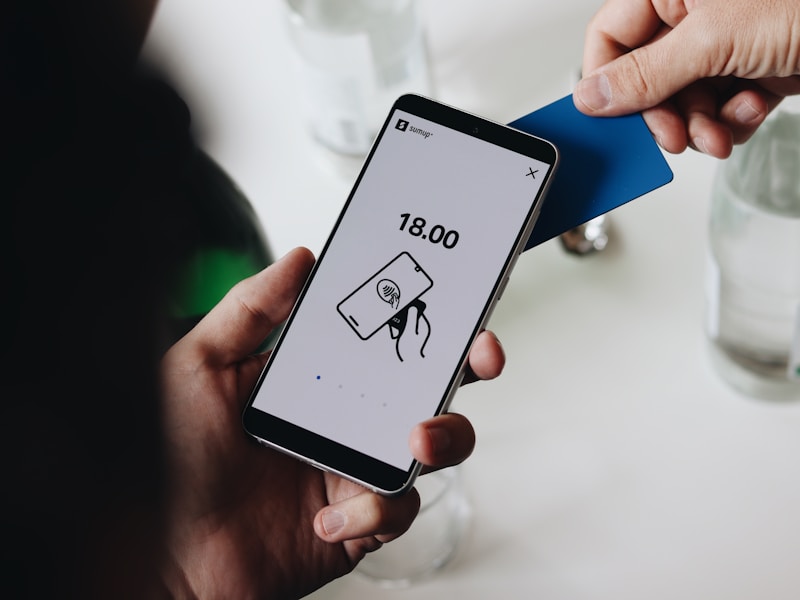
Are live shoppers buying more per transaction than traditional e-commerce site visitors? Often, the answer is yes. The interactive nature of live commerce allows hosts to bundle products, demonstrate cross-selling, and offer limited-time tier incentives (e.g., ‘Spend $50 more for a free gift’). Tracking your Live AOV helps determine if your bundling and curation strategies are working.
3. The Post-Live Economy: Tracking Long-Tail Value
One of the biggest mistakes brands make is turning off their measurement framework the moment the broadcast ends. In 2024, the ‘halo effect’ of a livestream is more pronounced than ever.
On-Demand (VOD) Conversion and Views
A significant portion of live commerce revenue is generated post-live through shoppable video-on-demand (VOD) replays. Many consumers use the recorded stream as an interactive catalog. You should track:
- Replay Views: How many unique users watch the recorded stream.
- Post-Live Sales: Conversions generated directly from the archived video in the 24, 48, and 72 hours following the live event.
By comparing live sales to post-live VOD sales, you can determine how much to invest in archiving and marketing your recorded content.
Product Return Rate
High-pressure live selling techniques can sometimes lead to impulse buying, which subsequently drives up product return rates. If a livestream generates $100,000 in sales but results in a 40% return rate, the channel’s profitability is severely compromised. Compare your livestream return rates against your baseline e-commerce return rates to ensure your hosts are setting accurate expectations about product fit, color, and performance.
4. Actionable Steps to Build Your 2024 Measurement Framework
To put these metrics into practice, follow this step-by-step implementation framework:
- Define Your Primary Goal: Before going live, decide if the stream’s primary objective is brand awareness (focus on Reach & Retention), audience engagement (focus on Interaction Rate), or pure revenue (focus on LCR & AOV).
- Establish Your Baselines: Look at your historical data. If you are new to live shopping, benchmark against your standard email marketing or social ad conversion rates.
- Implement UTM Tracking & Custom Promo Codes: Ensure every product link featured in your stream has clean UTM parameters. Utilize unique, stream-only discount codes to accurately attribute sales that occur hours after the stream ends.
- Conduct Post-Stream Debriefs: Within 24 hours of every broadcast, review the spikes and dips in your concurrent viewer graph. Correlate those moments with what was happening on screen (e.g., a specific host joke, a giveaway, or a product demo) to continuously refine your content strategy.
Conclusion: Turning Data into Direct-to-Consumer Growth
Livestream commerce is a dynamic, high-potential medium, but its true power is unlocked only when backed by rigorous data analysis. By shifting your focus from superficial vanity metrics to deep transactional and post-live KPIs, you can systematically optimize your hosting talent, product merchandising, and promotional schedules. As you execute your 2024 digital strategy, let metrics guide your creativity—and watch your live commerce revenues soar.