

The Convergence of Entertainment and Shopping: A New Era of Retail
For decades, retail has evolved through distinct technological leaps. From the physical storefront to the dawn of e-commerce, and later, the mobile shopping boom, the goal has always been the same: to reduce friction and bring products closer to the consumer. Today, we are witnessing the next monumental paradigm shift. The integration of Augmented Reality (AR) and Virtual Reality (VR) into livestream commerce is redefining the digital shopping experience, transforming passive viewers into active, engaged participants inside highly immersive, spatial commercial ecosystems.
Livestream commerce—the practice of selling products through live video broadcasts where hosts demonstrate items and interact with audiences in real time—has already become a multi-billion-dollar industry, dominated by markets in East Asia and rapidly expanding globally. However, traditional, static video streams suffer from a significant limitation: consumers can only see the product from the host’s perspective. By infusing these livestreams with spatial computing technologies, brands can bridge the sensory gap between digital browsing and physical trial, fundamentally altering how consumers discover, evaluate, and purchase goods online.
The Core Technologies: Breaking Down AR vs. VR in Live Shopping
To understand the magnitude of this revolution, it is vital to distinguish how these twin technologies uniquely enhance the livestream commerce framework.
1. Augmented Reality (AR): Real-Time Digital Layering
Augmented Reality overlays digital information, assets, or product models directly onto the user’s physical environment. In the context of a livestream, AR allows viewers to interact with the products being shown on screen in real time. For example, if a live host is presenting a new line of sunglasses, viewers can tap their screen to activate their front-facing camera, instantly applying a hyper-realistic, real-time 3D model of those exact sunglasses onto their own faces via a digital filter, all without leaving the broadcast feed.
2. Virtual Reality (VR): Immersive Spatial Teleportation
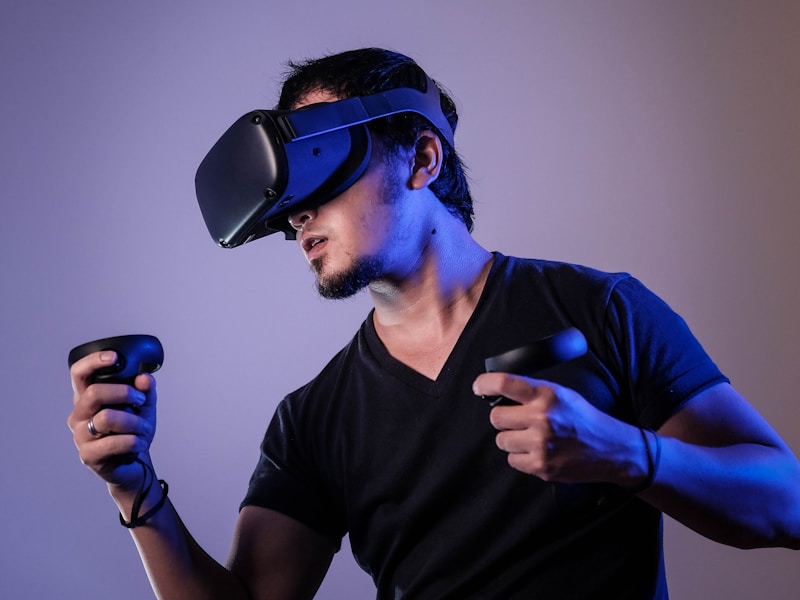
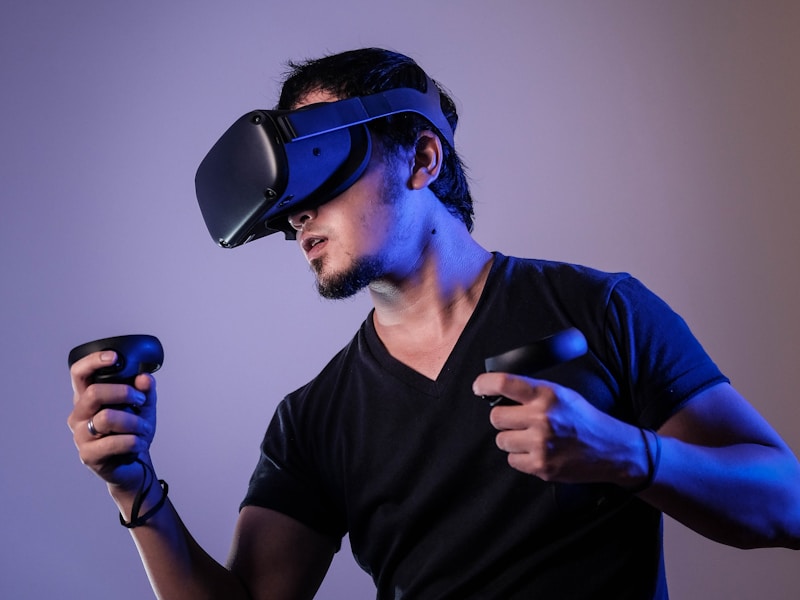
Virtual Reality goes a step further by transporting the consumer entirely out of their physical environment and placing them into a fully synthesized 3D digital space. Instead of watching a host on a flat smartphone screen, a consumer wearing a VR headset (such as the Meta Quest 3 or Apple Vision Pro) can walk through a virtual flagship store, stand next to a 3D avatar of a celebrity stylist hosting a live trunk show, examine products from 360-degree angles, and hang out with friends’ avatars to shop collaboratively in real time.
“Spatial computing is not just about changing how we view the digital world; it is about merging our physical realities with digital convenience to create frictionless, emotionally resonant commercial experiences.”
Why Static Livestreams Are No Longer Enough
Traditional livestreaming, while highly dynamic compared to static e-commerce product pages, still suffers from inherent pain points that limit its scalability and profitability:
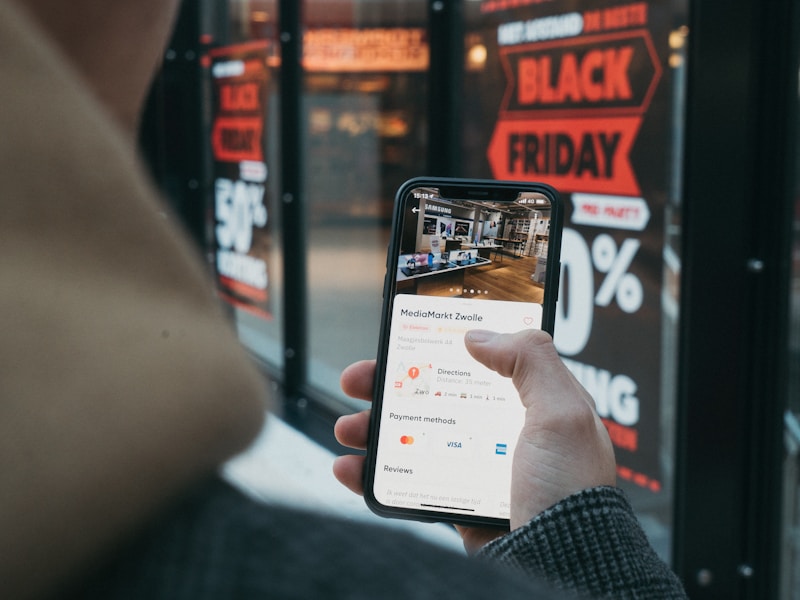
- High Product Return Rates: E-commerce return rates can hover between 20% to 30%, often driven by size mismatches or misaligned expectations. When consumers buy from a standard livestream, they are trusting a host’s lighting and body type. Once the product arrives, the illusion frequently vanishes.
- Friction in the Funnel: Pausing a live stream to check sizing charts, research colors, or read external reviews breaks the impulse-buy momentum. Every step outside the primary broadcast window represents a potential point of abandonment.
- Passive Viewership Fatigue: As the market becomes saturated with standard QVC-style live broadcasts, consumers are developing ad-blindness to conventional streams. Interactive elements are sorely needed to maintain high dwell times.
How AR and VR Drive Tangible Business Value
Implementing spatial computing within livestreaming events is not merely an aesthetic gimmick; it is an incredibly effective tool for boosting key performance indicators (KPIs) across the retail value chain.
1. Drastic Reductions in Return Rates
By offering immediate “try-before-you-buy” utility via AR, customers obtain an accurate representation of how a product will look on their body, in their living room, or on their face. When a customer can visually verify that a makeup shade matches their skin tone or that a sofa fits the dimensions of their specific living space during the live stream, the post-purchase surprise is eliminated, dropping return rates by up to 40% according to recent industry analyses.
2. Soaring Conversion Rates
Traditional e-commerce conversion rates struggle to exceed 2-3%. Livestream commerce inherently bumps this figure up to 10-15% due to urgency and FOMO (fear of missing out). However, when you combine live interaction with AR trial capabilities, conversions can skyrocket past 30%. The psychological transition from “I wonder how that looks” to “I know exactly how that looks on me” is the ultimate catalyst for the checkout button.
3. Hyper-Personalization at Scale
Through AR/VR-enabled platforms, a brand can host a single livestream broadcast to tens of thousands of viewers, yet personalize the individual experience. While the live host showcases a garment, the platform’s AI engine can automatically adjust the AR overlay to match the viewer’s precise, pre-scanned digital measurements, rendering a custom, perfectly sized simulation for each unique attendee.
Real-World Success Stories: Pioneers of the Spatial Retail Frontier
Several progressive global brands have already integrated immersive elements into their digital commerce strategies with stellar outcomes:
- L’Oréal & ModiFace: As an early adopter of AR, L’Oréal integrated ModiFace technology into live shopping broadcasts. Viewers watch beauty influencers apply products while simultaneously using real-time AR try-on modules to test the exact lipsticks, eye shadows, and foundations on themselves, completing their purchases seamlessly within the unified interface.
- Tommy Hilfiger: The fashion giant has continuously pushed the boundaries of virtual runways. During their live virtual shopping events, viewers can step onto a digital runway platform, inspect the textures of fabrics via 3D close-ups, and buy products immediately as digital avatars model them in a virtual reconstruction of real-world metropolitan locations.
- Dyson: Utilizing their Virtual Reality demo spaces, Dyson allows consumers to test their high-end hair care products and vacuums inside a virtual environment. During live-streamed masterclasses, viewers can interactively test the airflow and mechanics of virtual models of Dyson devices, gaining a spatial understanding of the premium engineering before making a high-ticket investment.
Actionable Strategy: How to Launch Your First AR/VR Livestream
Transitioning into spatial retail might seem daunting, but brands can follow a structured, step-by-step roadmap to minimize risk and maximize ROI:
- Start with AR Product Filters: You do not need a fully developed VR world to begin. Start by converting your best-selling product catalog into high-fidelity 3D assets (using standard USDZ or GLTF formats). Partner with platforms like Instagram, TikTok, or Snapchat to integrate these assets as AR filters that can be activated instantly during live broadcasts.
- Select the Right Livestream Host: Spatial retail requires dynamic hosts who understand how to guide an audience through an interactive interface. Train your hosts to explicitly prompt users to “tap the try-on button” and walk them through the interactive elements of the stream.
- Implement WebXR for Frictionless Access: Avoid requiring consumers to download heavy, proprietary applications. Utilize WebXR technologies that run directly within standard mobile web browsers, ensuring that a user clicking a link from an email or social media post can immediately experience AR/VR features without friction.
- Leverage Gamification: Encourage interaction by embedding virtual treasure hunts, instant AR-powered discount codes, or virtual try-on challenges into the livestream schedule. Reward viewers who engage with the spatial elements of the broadcast.
Conclusion: The Dawn of Experiential Spatial Commerce
The intersection of AR, VR, and livestream commerce is not a passing trend; it represents the structural blueprint for the future of retail. As 5G connectivity becomes global, spatial computing hardware becomes lightweight and affordable, and consumer expectations for digital immersion rise, static storefronts will increasingly feel like relics of the past. Retailers who move quickly to adopt these technologies will not only delight their customers with rich, interactive, and entertaining experiences, but they will also build resilient, high-converting digital ecosystems capable of thriving in the next generation of commerce.