


The Great Acoustic Overload: Our Modern Noise Epidemic
We live in an era of unprecedented cognitive saturation. From the persistent hum of urban traffic and the intrusive ping of smartphone notifications to the ambient drone of open-plan offices, modern humanity is submerged in a continuous stream of auditory pollution. According to the World Health Organization (WHO), environmental noise is one of the top environmental hazards to physical and mental health. It is against this backdrop of chronic sensory overload that a powerful counter-movement has emerged: Silent Travel.
No longer viewed as a niche luxury for ascetic seekers, silent travel has transitioned into a mainstream wellness phenomenon. Travelers are increasingly bypassing bustling tourist hotspots in favor of destinations that promise absolute quietness, digital disconnection, and the rare opportunity to hear nothing but the natural world. This article explores the multifaceted rise of silent travel, the science backing its therapeutic benefits, the global institutions defining its parameters, and actionable strategies for embarking on your own quiet journey.
The Neurobiology of Noise and the Restorative Power of Silence
To understand the urgent appeal of silent travel, we must first examine what noise does to the human brain. Chronic exposure to low-level environmental noise triggers the amygdala, the brain’s threat-detection center, leading to a sustained release of stress hormones like cortisol and adrenaline. Over time, this physiological state of high alert contributes to sleep disturbances, cognitive decline, hypertension, and anxiety.
“Silence is not the absence of something, but the presence of everything.” — Gordon Hempton, Acoustic Ecologist
Conversely, clinical research indicates that silence has profound regenerative properties. A landmark study published in the journal Brain, Structure and Function discovered that exposing subjects to two hours of silence daily led to the development of new, functional brain cells in the hippocampus—the region associated with memory, learning, and emotion. Furthermore, silence allows for the activation of the brain’s Default Mode Network (DMN). The DMN is engaged during self-reflection, creative daydreaming, and the integration of complex ideas. By stepping away from auditory and digital stimuli, we allow our brains to process unresolved thoughts, boosting both emotional intelligence and creativity.
Quiet Parks International: Protecting the World’s Endangered Sounds
As pristine silence becomes an increasingly scarce natural resource, organizations have emerged to map and protect it. Foremost among these is Quiet Parks International (QPI), a non-profit dedicated to identifying and preserving the quietest places on Earth. QPI classifies sites into several categories, ensuring that travelers can find silence regardless of their geographical constraints:

- Wilderness Quiet Parks: Remote natural sanctuaries where human-caused noise is exceptionally rare, typically occurring less than once every several hours.
- Urban Quiet Parks: Green spaces nestled within major metropolitan areas designed to offer city dwellers an accessible acoustic oasis.
- Quiet Trails and Quiet Marine Parks: Linear corridors and aquatic zones mapped specifically for their minimal acoustic footprints.
Spotlight on QPI Certified Destinations
The world’s very first certified Wilderness Quiet Park is situated along the Zabalo River in the Ecuadorian Amazon. Here, the Cofán indigenous community works alongside acoustic ecologists to preserve a pristine biome where the only sounds are the calls of howler monkeys, the rustle of the rainforest canopy, and the gentle flow of water. In contrast, Hampstead Heath in London serves as a prime example of an Urban Quiet Park, demonstrating that silent sanctuaries can coexist with bustling, high-density urban environments.
The Digital Detox: Reclaiming the Attention Economy
True silence is not merely acoustic; it is also cognitive. The rise of the “attention economy”—fueled by algorithms engineered to maximize screen time—has left millions suffering from digital fatigue. The constant expectation of immediate connectivity induces a state of continuous partial attention, leaving us perpetually distracted and mentally fatigued.
A central pillar of the silent travel movement is the deliberate, structured digital detox. Retreats offering digital detoxes typically require guests to surrender their smartphones, tablets, and laptops upon check-in. By removing the temptation of digital screens, travelers transition through an initial phase of “disconnection anxiety” into a state of deep, restorative presence.
The Benefits of Unplugging
- Restoration of Circadian Rhythms: Eliminating exposure to blue light, particularly in the evening, allows for the natural synthesis of melatonin, dramatically improving sleep latency and depth.
- Enhanced Mindfulness and Focus: Without the temptation to document every moment for social media, travelers engage more deeply with their immediate surroundings, anchoring their memories in sensory details rather than digital validation.
- Resetting Dopamine Baselines: Fasting from constant notifications recalibrates the brain’s reward system, making simple activities—like reading a physical book, walking in nature, or listening to the wind—deeply satisfying once again.
Practical Steps to Integrating Silent Travel Into Your Life
Embarking on a silent travel experience does not require committing to a multi-week monastic vow of silence. Beginners can introduce silent practices gradually, scaling the experience to suit their comfort levels and lifestyle constraints.
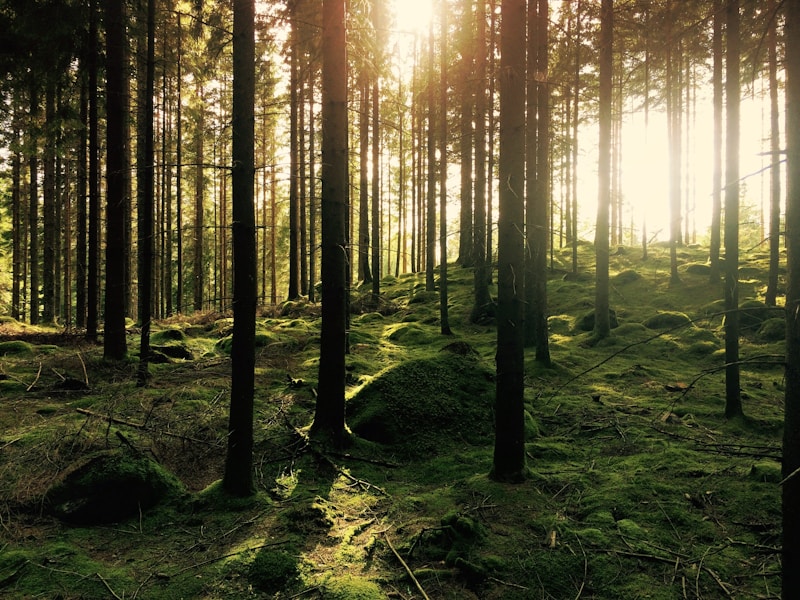
Phase 1: The Micro-Detox
Begin by booking a weekend cabin in an off-grid location. Commit to a 24-hour period of digital silence. Notify your family and colleagues of your offline status well in advance, set an automated email response, and place your devices in a locked drawer. Use this time to establish a baseline of quietness through journaling, hiking, or silent meditation.
Phase 2: Structured Silent Retreats
For those seeking a deeper transformation, structured retreats offer an ideal environment. Options range from Vipassana meditation courses (which demand complete Noble Silence for ten days) to modern wellness resorts that feature designated “silent zones,” silent dining experiences, and guided forest bathing (Shinrin-yoku) excursions.
How the Hospitality Industry is Adapting to the Silent Paradigm
Recognizing this tectonic shift in consumer preferences, the global travel and hospitality sector is investing heavily in “quiet luxury” and acoustic hospitality. Resorts are re-architecting their spaces to prioritize soundproofing, utilizing natural, sound-absorbing materials like cork, heavy timber, and living green walls.
Furthermore, many luxury hotels now offer wellness packages centered entirely around quietude. These may include silent thermal spas, sound bath meditation chambers, and tech-free libraries. Airlines are also exploring quiet zones on long-haul flights, recognizing that a significant portion of their business clientele prioritizes rest and cognitive recovery over mid-air connectivity.
Conclusion: Silence as the Ultimate Luxury
In a world that equates noise with productivity and connectivity with worth, silence has become the ultimate luxury. Choosing to step away from the digital grid and seek out acoustic sanctuaries is not an act of escapism; it is a vital act of self-preservation. By embracing silent travel, we allow our minds to heal, our creativity to flourish, and our connection to the natural world to be restored. As you plan your next journey, look past the crowded, highly-curated tourist trails. Instead, seek the quiet corners of the map—your mind, body, and soul will thank you.