


The Paradigm Shift: Beyond the SaaS Dashboard
For two decades, Software-as-a-Service (SaaS) has been the bedrock of digital business. We pay monthly subscriptions for tools, log into dashboards, and perform manual tasks. But the emergence of autonomous AI agents is disrupting this model, signaling a transition from Software-as-a-Service to Service-as-a-Software (SaaS 2.0). This isn’t just an upgrade; it’s a fundamental change in how value is delivered.
What are AI Agents?
Unlike traditional SaaS, which acts as a static utility, AI agents are goal-oriented. You define an outcome—’Research these leads and draft personalized emails’—and the agent executes the end-to-end workflow, using multiple tools, making decisions, and correcting errors autonomously.
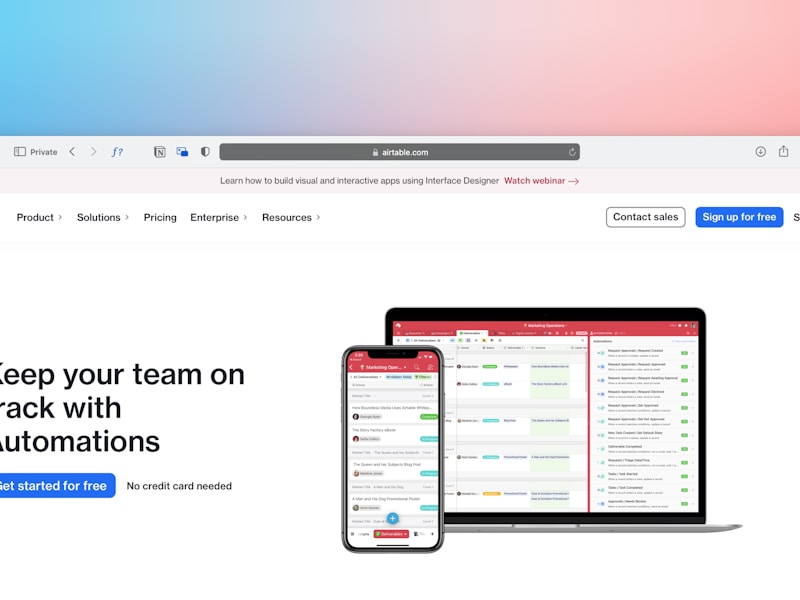
Why the Current SaaS Model is Fragile
- User Fatigue: We are drowning in ‘tool sprawl.’ Managing dozens of subscriptions creates fragmented data silos.
- The UI Tax: Traditional software requires human interaction to function. You spend more time inputting data than analyzing it.
- Value Misalignment: In a traditional SaaS model, providers are incentivized to keep you subscribed, not necessarily to complete your task as quickly as possible.
The Core Difference: Service-as-a-Software
In the new model, the ‘software’ is invisible. You are no longer buying access to a tool; you are buying the completion of a process. Imagine a CRM that doesn’t just store lead data but autonomously researches prospects, qualifies them based on your historical patterns, and adds them to your sequence. The software becomes the worker, not the platform.

The shift is moving from ‘Human + Software’ to ‘AI Agent + Software’ managed by a human oversight layer.
The Road Ahead: Challenges and Opportunities
While the potential is massive, businesses must prepare for a shift in procurement. Security, agency, and data sovereignty become paramount. Companies will no longer measure software success by ‘active users’ or ‘time on platform,’ but by ‘tasks completed’ and ‘outcomes delivered.’ Organizations that successfully integrate AI agents will see exponential productivity gains, while those clinging to manual SaaS workflows will struggle to compete with the speed and cost-efficiency of autonomous agents.
Conclusion: Embracing the Transition
The transition to Service-as-a-Software is inevitable. The winners of the next decade will be companies that view AI as a primary driver of operational velocity rather than just a feature additive. Start identifying your most repetitive high-value workflows today and begin layering agents to replace manual software interaction.