

The Dawn of a New Sporting Era
For decades, the global sports landscape was dominated by traditional titans: tennis, golf, soccer, and basketball. However, a quiet revolution has been brewing on modified asphalt and glass-enclosed courts. Niche sports, once relegated to municipal parks or localized clubs, are capturing the hearts, minds, and investments of millions. At the absolute forefront of this movement are pickleball and padel. These two racquet sports have transitioned from quirky novelties to hyper-growth global phenomena, disrupting the fitness industry and redefining community-focused recreational athletics.
But what is driving this unprecedented surge? How did two sports with relatively obscure origins manage to outpace established pastimes in active participation growth? To understand this shift, we must analyze the unique combination of accessibility, social dynamics, real estate economics, and the cultural craving for genuine human connection in a digital-first world.
Democratizing the Court: The Rise of Pickleball
Invented in 1965 on Bainbridge Island, Washington, by three fathers looking for a way to entertain their bored children, pickleball was a hybrid creation from its inception. Combining elements of tennis, badminton, and ping-pong, it was designed to be easy to learn yet challenging to master.
From Backyard Novelty to North American Obsession
For decades, pickleball lived a quiet life, primarily popular in retirement communities due to its low joint impact and highly social nature. However, the COVID-19 pandemic acted as a massive catalyst. As gym-goers sought safe, outdoor, socially distanced activities, pickleball courts became the ultimate sanctuary. According to the Sports & Fitness Industry Association (SFIA), pickleball has been named the fastest-growing sport in the United States for several consecutive years, now boasting over 8.9 million active players.
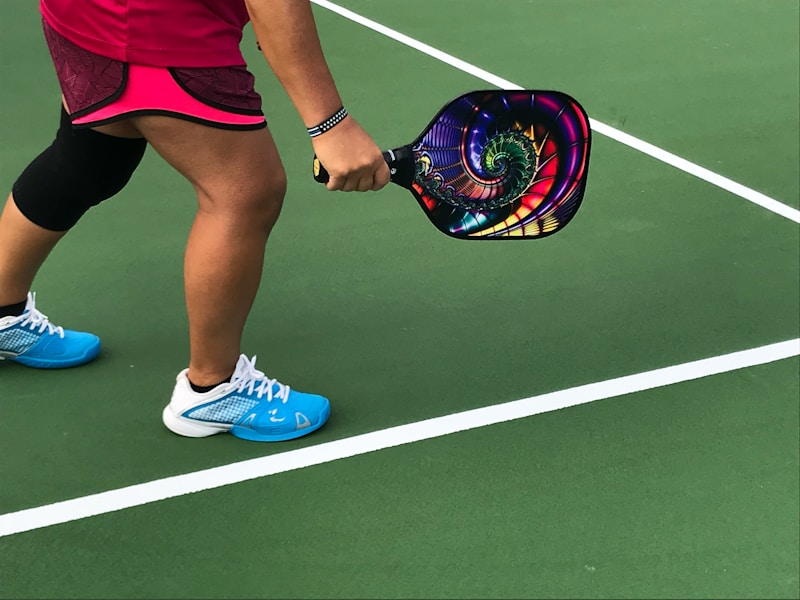
The magic of pickleball lies in its structural accessibility. The court is roughly one-third the size of a standard tennis court, meaning players cover far less ground. The paddle is solid, lightweight, and easy to control, while the perforated plastic ball (similar to a wiffle ball) travels at about one-third the speed of a tennis ball. This slower pace lowers the barrier to entry, allowing beginners to experience long, satisfying rallies within their first thirty minutes of play.
The Elegant, High-Octane Alternative: The European and Latin American Padel Surge
While pickleball conquers North America, padel (often called padel tennis) is taking Europe, the Middle East, and Latin America by storm. Born in Acapulco, Mexico, in 1969, padel was created by Enrique Corcuera, who wanted a tennis court at his home but lacked the space. He built a smaller court, enclosed it with walls, and created a sport that plays like a cross between tennis and squash.
The Glass-Walled Arena of Community and Intensity
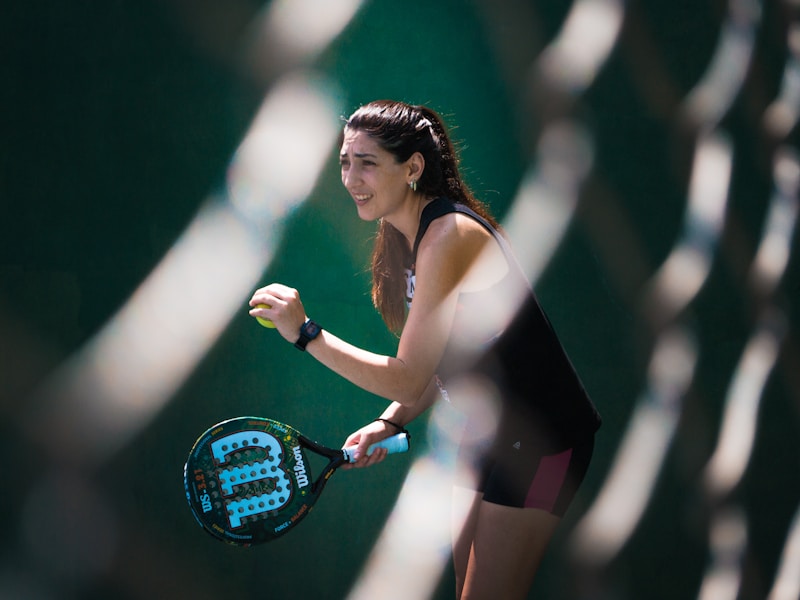
Unlike pickleball, padel is played on an enclosed court made of glass and metallic mesh. The balls are similar to tennis balls but have slightly less pressure, and the paddles are solid, perforated composite structures without strings. The defining feature of padel is the use of the surrounding walls; players can play the ball off the glass, leading to incredibly dynamic, fast-paced, and strategic rallies.
Padel has achieved massive popularity in Spain, Argentina, and Sweden, and is rapidly expanding into the United Kingdom, the United Arab Emirates, and the United States. Backed by elite athletes like Lionel Messi, Rafael Nadal, and Zlatan Ibrahimović, padel has cultivated a premium, lifestyle-oriented brand image, blending high-intensity cardio with an incredibly social, club-centric culture.
Head-to-Head: Pickleball vs. Padel
To understand which sport fits your lifestyle, or to analyze their commercial opportunities, it is helpful to contrast their structural and gameplay elements side-by-side:
- Court Anatomy: Pickleball is played on an open rectangular court (20×44 feet) divided by a net, featuring a specific 7-foot non-volley zone called ‘the kitchen’. Padel is played on a larger, fully enclosed court (10×20 meters) where the walls are actively integrated into the game.
- Equipment: Pickleball uses lightweight, solid composite paddles and hard, hollow plastic balls with holes. Padel utilizes thicker, heavier foam-core carbon fiber paddles and pressurized felt balls.
- Learning Curve: Pickleball has the lowest barrier to entry, offering almost instant gratification. Padel has a slightly steeper learning curve due to the complex geometry of playing off the back and side walls, but it is still far easier to pick up than traditional tennis.
- Physical Demand: Both sports are highly aerobic, but padel tends to require more explosive lateral movement and vertical leaps, making it slightly more physically demanding at intermediate levels.
The Socio-Economic Engines Driving the Revolution
The explosive trajectory of these sports is not accidental; it is powered by powerful structural, societal, and economic drivers:
“Traditional sports require years of technical training to achieve a flow state where players can engage in strategic, satisfying rallies. Pickleball and padel offer a shortcut to that rewarding experience, fostering community along the way.”
1. High Real Estate and Space Efficiency
From a commercial and municipal standpoint, space is money. A standard tennis court requires roughly 7,200 square feet of land. In that exact same footprint, developers can construct up to four pickleball courts or three padel courts. For athletic clubs, municipal parks, and real estate developers, this spatial efficiency translates directly to higher player throughput, increased court rental revenues, and more vibrant facility usage.
2. The Modern Social ‘Third Place’
Sociologists often speak of the ‘third place’—the social surroundings separate from the two primary environments of home and the workplace. In an era dominated by remote work and digital isolation, people are actively searching for physical hubs that foster organic interaction. Both pickleball and padel are fundamentally doubles-focused sports, facilitating constant lighthearted communication, laughter, and post-match socializing. The emergence of ‘sportstainment’ venues—combining courts with high-quality restaurants, craft breweries, and lounge spaces—has cemented these sports as premium social hubs.
3. Low Injury Risk and Multigenerational Appeal
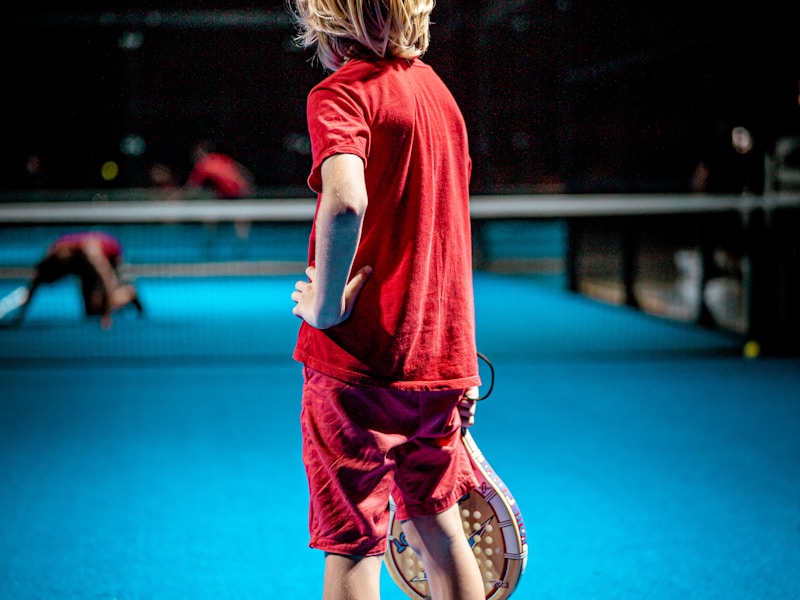
Unlike high-impact contact sports, pickleball and padel are gentle on the kinetic chain. The reduced court sizes minimize the wear-and-tear on knees, hips, and shoulders, making them highly appealing to aging populations who want to stay competitive. Crucially, they are also highly multigenerational; grandparent, parent, and child can easily share a court and enjoy a competitive game together.
How to Get Started: Actionable Advice for Beginners
Ready to join the racquet sports revolution? Here is a quick guide to getting started smoothly:
- Choose Your Sport: If you value quick setup, local accessibility, and instant fun, look for local pickleball courts. If you crave dynamic play, high cardio, and don’t mind a slightly higher court rental fee, seek out a regional padel club.
- Invest in the Right Footwear: While tempting, running shoes are a hazard due to their lack of lateral support. Invest in a pair of court shoes (tennis, pickleball, or padel-specific) to protect your ankles and knees from sudden lateral stops.
- Begin with a Lesson: Just one hour with a certified coach will teach you the fundamental grips, safety rules (especially avoiding ‘the kitchen’ in pickleball), and spatial awareness needed to avoid injury and maximize your fun.
- Focus on Placement Over Power: In both sports, power is easily countered. The players who dominate are those who master soft control, precise dinks, and strategic placement that forces opponents out of position.
The Future: A Permanent Structural Shift
As venture capital continues to pour into professional leagues, such as Major League Pickleball (MLP) and the Premier Padel tour, it is clear that these are not passing fitness fads. They represent a fundamental, permanent shift in how humanity approaches recreational fitness. By prioritizing community, accessible design, and spatial efficiency, pickleball and padel have cracked the code for modern athletic engagement. Whether you are looking for a high-intensity weekend workout or a warm, welcoming community, the courts are open—and the revolution is just getting started.