

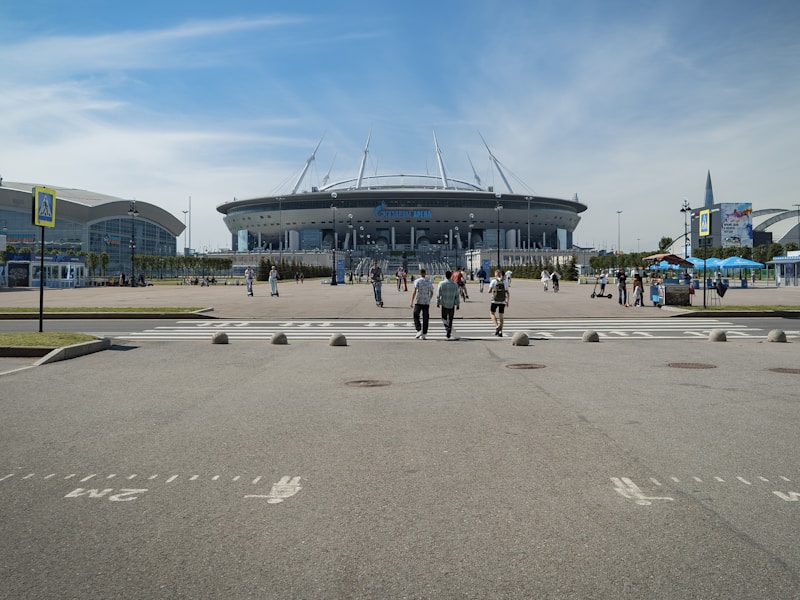
The Rise of Eco-Friendly Sports Infrastructure
Sports stadiums are traditionally carbon-intensive environments, characterized by massive electricity consumption, excessive water usage, and high waste production during game days. However, a seismic shift is underway. Major venues across the globe are pioneering the green revolution, proving that professional sports can be a driving force for environmental stewardship.
Energy Innovation: Powering the Game with Renewables
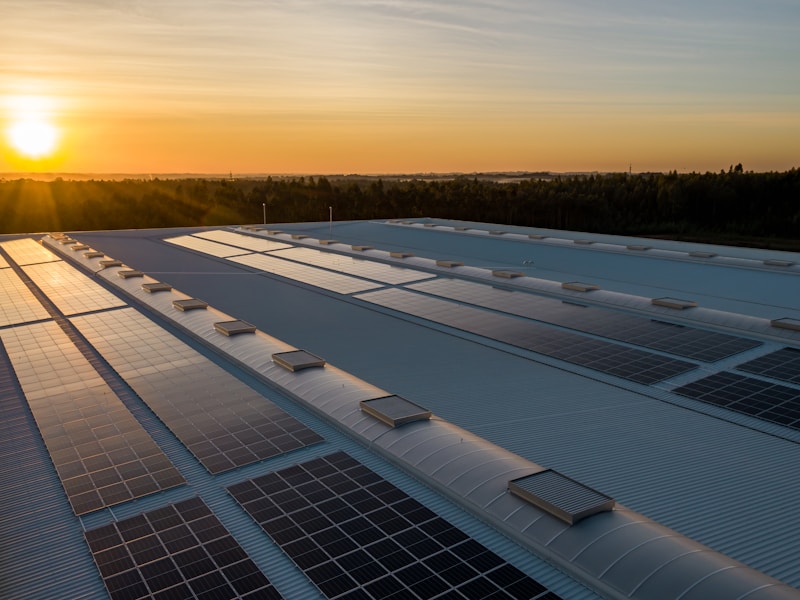
The most visible transition is the adoption of renewable energy. Modern arenas are no longer just consumers; they are becoming producers. By integrating rooftop solar arrays and onsite wind turbines, stadiums like the Mercedes-Benz Stadium in Atlanta are setting the gold standard. These venues are achieving LEED Platinum certification by maximizing energy efficiency through smart HVAC systems and LED lighting technology, which reduces overall power demand by up to 40%.
Water Conservation and Closed-Loop Systems
Water scarcity is a critical global issue, and sports venues are responding with sophisticated capture systems. Rainwater harvesting is being used to irrigate fields and flush sanitation systems. For example, the All England Club at Wimbledon utilizes advanced subterranean tanks to collect and filter rainwater, drastically reducing their reliance on municipal water sources.
Zero-Waste Initiatives: Rethinking Concessions
Managing the massive volume of waste generated by tens of thousands of fans is a logistical challenge. Leading stadiums are moving toward circular economy models by:
- Eliminating single-use plastics from concession stands.
- Implementing rigorous composting programs for organic food waste.
- Partnering with local charities to distribute leftover, untouched food.
By shifting to compostable packaging and clear waste-sorting signage, some venues have achieved a 90% diversion rate from landfills.

The Fan Experience and Behavioral Change
Sustainability in sports is also about education. Many arenas now feature interactive kiosks and educational programming that teach fans about carbon footprints. By incentivizing public transit use for game-day travel and offering plant-based concessions, stadiums are nudging fans toward more sustainable lifestyle choices outside the arena.
The Path Forward: Actionable Steps for Venues
For stadium managers looking to lower their impact, the path includes:
- Conducting energy audits to identify primary efficiency gaps.
- Transitioning to renewable energy contracts or onsite generation.
- Engaging supply chains to source locally and avoid non-recyclable materials.
- Building community partnerships to donate excess resources.
Sustainability is not a trend; it is a fundamental shift in how we design and operate the world’s most prominent public spaces.
Conclusion
The transition to sustainable stadiums represents a critical evolution in professional sports. By blending technological innovation with operational excellence, these venues are demonstrating that high-stakes sports and planetary health can coexist. As fans grow more eco-conscious, the pressure on teams to ‘go green’ will only increase, ensuring that the future of sports is as clean as it is competitive.