

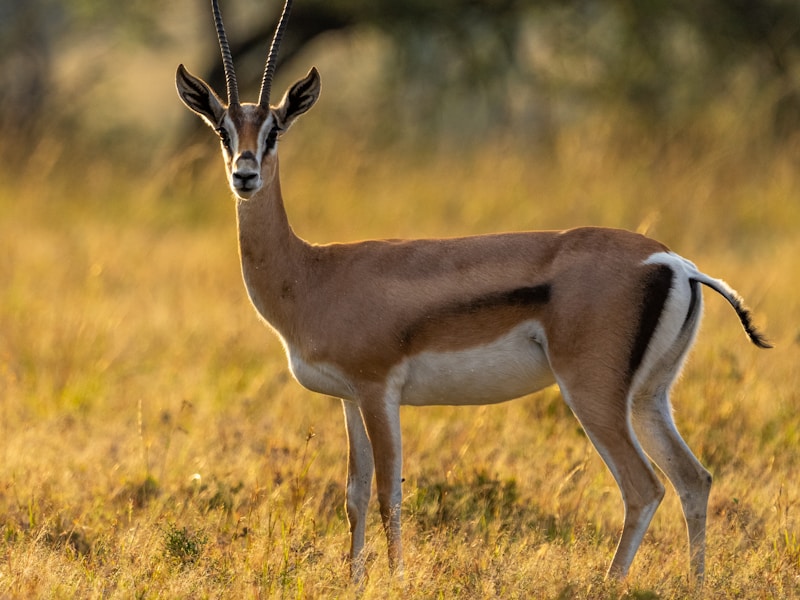
The Rise of Ethical Wildlife Tourism
As global travel continues to expand, so does the desire to connect with the natural world. However, the multi-billion dollar wildlife tourism industry often conceals a darker side of exploitation. Ethical wildlife tourism is not just a trend; it is a vital movement to ensure that our presence does not negatively impact the very species we aim to admire.
Defining True Ethical Encounters
To distinguish between exploitation and conservation, travelers must apply the Five Freedoms of Animal Welfare. Any facility or tour operator must ensure animals are free from hunger and thirst, discomfort, pain, injury, and disease, as well as being able to express normal behavior. Avoid any experience that includes:

- Physical contact or ‘selfie’ opportunities with captive wild animals.
- Animals performing in shows or circuses.
- Facilities that facilitate breeding programs for animals destined for captivity rather than release.
- The use of hooks, chains, or tranquilizers to manage animal behavior.
Choosing Responsible Operators
Before booking, conduct due diligence. Look for operators who support in-situ conservation—meaning they contribute to protecting habitats in the wild rather than keeping animals in cages. Authentic sanctuaries prioritize rehabilitation and release, meaning they rarely allow guests to touch the animals. Remember, if you can touch it, it is likely being exploited.

The Impact of ‘Sanctuary Washing’
Many facilities label themselves as ‘sanctuaries’ or ‘orphanages’ to mask unethical practices.
‘A true sanctuary exists for the animal, not for the entertainment of the tourist.’
Check for accreditation from global bodies like the Global Federation of Animal Sanctuaries (GFAS) to ensure the facility meets international standards of care.
Actionable Tips for the Conscious Traveler
- Observe from a distance: Use binoculars or a camera lens to see wildlife without intruding on their space.
- Prioritize wild sightings: National parks and guided nature walks offer the most authentic experience while supporting local ecosystem preservation.
- Leave no trace: Respect the environment by staying on trails and never feeding wildlife, as it can cause dependency and aggression.
- Support local communities: Choose tours led by local guides who share indigenous knowledge about wildlife preservation.
Conclusion
Ethical wildlife tourism requires a shift in mindset from ‘collecting experiences’ to ‘appreciating existence.’ By choosing to observe animals in their natural habitats and supporting only legitimate, welfare-focused organizations, travelers can act as powerful advocates for global biodiversity. Your choice matters—make sure it contributes to the survival of the species, not their suffering.