
The Modern Travel Trap: Running to Stand Still
In an era dominated by hyper-curated social media feeds, rapid-fire travel itineraries, and “48-hour city guides,” travel has increasingly morphed into a high-stakes scavenger hunt. We rush from iconic monument to Instagram-worthy viewpoint, ticking off boxes on a pre-determined checklist. We arrive back home exhausted, our camera rolls filled with identical photos of landmarks, yet our minds feel strangely empty of genuine memories.
This is the tourist trap of the modern age: the belief that the value of a journey is directly proportional to the number of sights seen. But what if we chose a different path? What if we decided to trade the stress of the checklist for the depth of connection? This is the core philosophy of slow travel—an intentional, mindful approach to exploring the world that prioritizes quality of experience over quantity of destinations.
The Psychology of the Checklist: Why We Over-Schedule
To understand why slow travel is so transformative, we must first look at why we feel compelled to over-schedule. Psychologists point to two main factors: FOMO (Fear Of Missing Out) and the “sunk cost” fallacy. When we invest significant time and money into a trip, we feel a cognitive pressure to maximize our return on investment. We falsely equate “maximizing” with “doing more.”
“The traveler sees what he sees, the tourist sees what he has come to see.” — G.K. Chesterton
When our itineraries are packed to the minute, we leave no room for serendipity. We view unexpected delays as catastrophic disruptions rather than invitations to explore. By constantly looking ahead to the next landmark, we miss the quiet, beautiful nuances of the present moment—the smell of fresh bread from a neighborhood bakery, the laughter of locals playing chess in a public square, or the shifting light on a cobblestone alleyway.
What is Slow Travel? A Counter-Cultural Manifesto
Slow travel is not merely about the speed at which you move; it is a mindset. Inspired by the Slow Food movement that began in Italy during the 1980s as a protest against fast food, slow travel is a protest against fast-paced, industrial tourism. It is a commitment to engaging deeply with a single place, its people, its culture, and its environment.
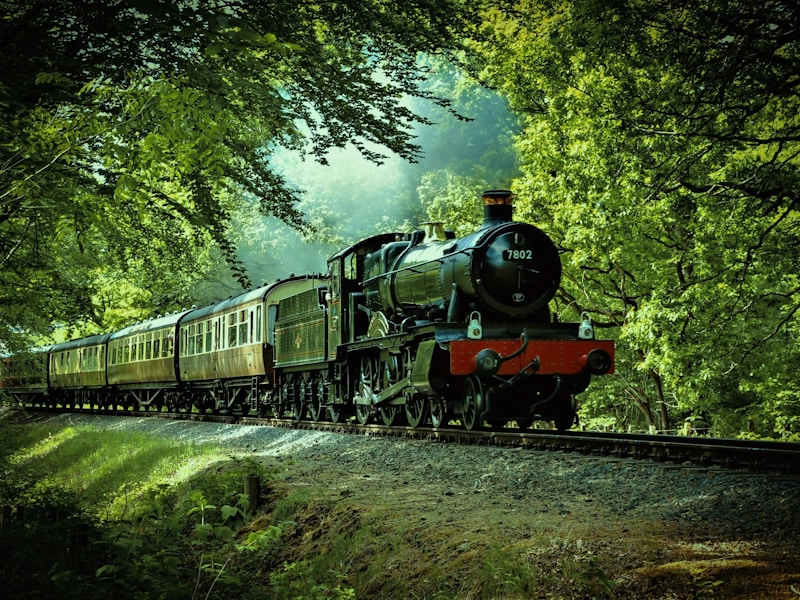
While a traditional tourist might visit four countries in two weeks, a slow traveler might spend those entire two weeks in a single neighborhood of a single city, or exploring a small, overlooked region. The goal shifts from saying “I was there” to understanding what it feels like to live there.
The Tangible Benefits of Slowing Down
- Deeper Cultural Immersion: Staying in one place allows you to move past the superficial tourist layer. You begin to patronize the same coffee shops, learn the names of local vendors, and understand the subtle social rhythms of the community.
- Reduced Environmental and Economic Footprint: Fast travel is inherently resource-intensive. By minimizing domestic flights and high-speed transit trips, and instead choosing local buses, trains, or walking, you significantly reduce your carbon footprint. Furthermore, spending your money at small, family-run guesthouses and neighborhood markets ensures your economic impact directly benefits the local community.
- Lower Travel Stress: Stripping away a rigid schedule eliminates the anxiety of missing connections, rushing through museum lines, and waking up to early alarms. Your nervous system is allowed to settle, turning travel back into what it was always meant to be: a restorative experience.
- Financial Savings: Traveling slowly is often far more budget-friendly. Long-term accommodation rentals (like weekly or monthly stays) usually come with steep discounts. Additionally, cooking your own meals with local market ingredients and avoiding overpriced tourist-hub restaurants will stretch your travel budget significantly further.
Actionable Strategies to Master the Art of Slow Travel
Transitioning from a checklist-driven traveler to a slow traveler requires an intentional shift in habits. Here are highly practical strategies to help you slow down on your next adventure:
1. Implement the “One Major Activity” Rule
Instead of planning three museums, a walking tour, and a sunset cruise all in one day, commit to planning exactly one major activity per day. If you choose to visit a museum in the morning, leave your afternoon entirely open. Let your curiosity, the weather, or a recommendation from a local guide your steps for the remaining hours. This unstructured time is where true travel magic happens.
2. Choose Residential Neighborhoods Over Tourist Districts
Skip the hotels clustered around major monuments or central train stations. Instead, rent an apartment in a quiet, residential neighborhood. Look for areas with active grocery stores, public parks, and neighborhood cafes. Living alongside locals instantly shifts your perspective and changes the types of daily interactions you have.
3. Cultivate the Art of Flânerie
The French have a wonderful word: flâneur, which refers to a passionate spectator, an aimless stroller who walks the city streets simply to experience them. Dedicate at least one afternoon of your trip to pure flânerie. Leave your maps, phone, and guidebooks in your bag. Walk down streets that look interesting, turn corners on a whim, and allow yourself to get wonderfully, safely lost.
4. Learn the Local Language Basics
You do not need to be fluent, but learning how to say hello, please, thank you, and “excuse my poor pronunciation” in the local language opens doors that money cannot buy. It signals to locals that you respect their culture enough to try, converting transactional exchanges into warm human connections.
Case Study: Two Paths in Kyoto
To see the difference in action, let’s look at two hypothetical travelers visiting Kyoto, Japan:
- Traveler A (The Checklist Tourist): Arrives via bullet train. Spends two days rushing between the Fushimi Inari Shrine, Kinkaku-ji (Gold Pavilion), and Kiyomizu-dera. They spend hours waiting in lines, battling dense crowds of other tourists for the perfect photo, and eating hurried meals at Western-style convenience stores near the major stations. They leave exhausted, feeling that Kyoto was “too crowded.”
- Traveler B (The Slow Traveler): Rents a traditional machiya townhouse in a quiet neighborhood of Kamigyo-ku for a full week. They spend their mornings visiting smaller, overlooked Zen temples where they can sit in quiet meditation without the crowds. They buy fresh produce at the local market, chat with a tofu-maker, and spend an afternoon reading by the Kamo River. They leave with a deep sense of peace, lifelong memories of quiet beauty, and a genuine appreciation for Kyoto’s spiritual heritage.
Conclusion: Reclaiming Your Journey
Slow travel is more than a way of moving through the world; it is an act of rebellion against the frantic pace of modern life. It forces us to confront our restlessness and teaches us to find joy in stillness, simplicity, and genuine human connection.
On your next journey, leave the checklist at home. Allow yourself to see less, so that you might feel, understand, and remember more. Your adventures will be all the richer for it.