The Hidden Toll of the Virtual Arena
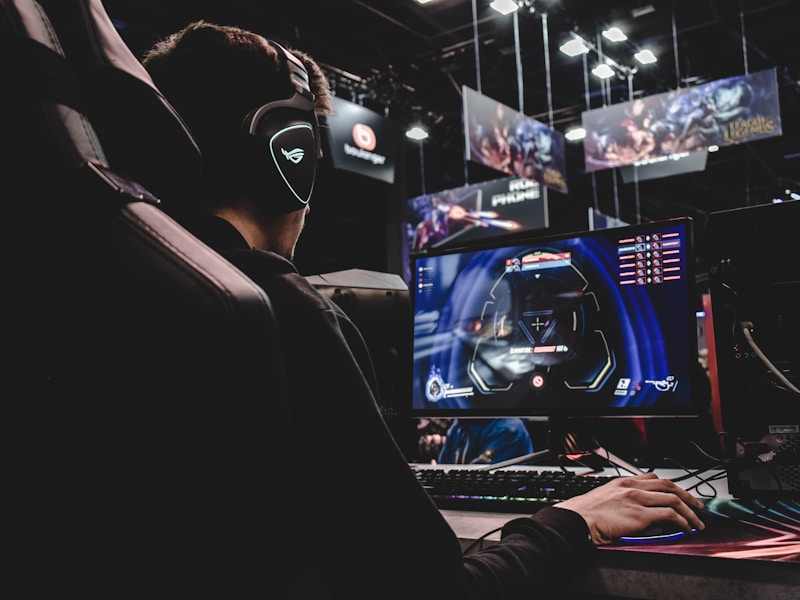
For years, the public perceived professional gaming as an enviable dream job: playing video games in comfortable chairs for millions of dollars. However, behind the flashy trophies, neon-lit arenas, and roaring crowds lies a dark, pressure-cooker reality. The modern esports landscape demands a level of cognitive intensity, focus, and grind that is virtually unmatched in traditional sports. Pro gamers regularly practice for 12 to 16 hours a day, seven days a week, in a relentless bid to stay at the top of ever-evolving metagames.
This grueling regimen has catalyzed a massive mental health crisis within the industry. Players as young as 18 are choosing early retirement, citing chronic fatigue, panic attacks, depression, and severe physical ailments like repetitive strain injuries (RSI). As the stakes grow higher and sponsorships swell into the tens of millions, elite esports organizations are finally realizing that human minds are not machines. To protect their investments and, more importantly, the well-being of their athletes, teams are aggressively restructuring their training environments to prioritize mental health.
Why Esports Burnout is Unique: The Cognitive Grind
While traditional athletes face intense physical demands, their training is naturally limited by human biomechanics. A football or tennis player cannot physically practice for 14 hours a day without catastrophic muscle failure. In esports, however, the primary muscle is the brain, and the physical limits are less immediately obvious, leading to dangerous over-exertion.
The Tyranny of the Endless Meta
Unlike traditional sports like soccer or basketball, where the rules remain static for decades, competitive video games are living software. Developers push constant patches, balance updates, and character reworks. A single patch can instantly render thousands of hours of strategic practice obsolete. To remain competitive, players must immediately adapt, leading to an endless cycle of theorycrafting and mechanical adjustment that leaves zero room for downtime.
The Blurring of Work and Life
Many professional esports teams operate out of “gaming houses” where players live, eat, sleep, and work under the same roof. While this setup fosters team synergy, it completely obliterates the boundaries between personal life and professional labor. When your bedroom is ten feet away from your workstation, escaping the psychological pressure of the game becomes virtually impossible. The absence of a physical transition from “work” to “home” traps players in a perpetual state of low-grade stress and hyper-vigilance.
The Anxiety Epidemic: Public Scrutiny and the Imposter Syndrome
In esports, the barrier between fans and athletes is incredibly thin. Through live streaming platforms like Twitch and social media networks like X (formerly Twitter), players are directly exposed to the unfiltered, often toxic, opinions of hundreds of thousands of viewers. A single misplay can result in immediate, viral ridicule.
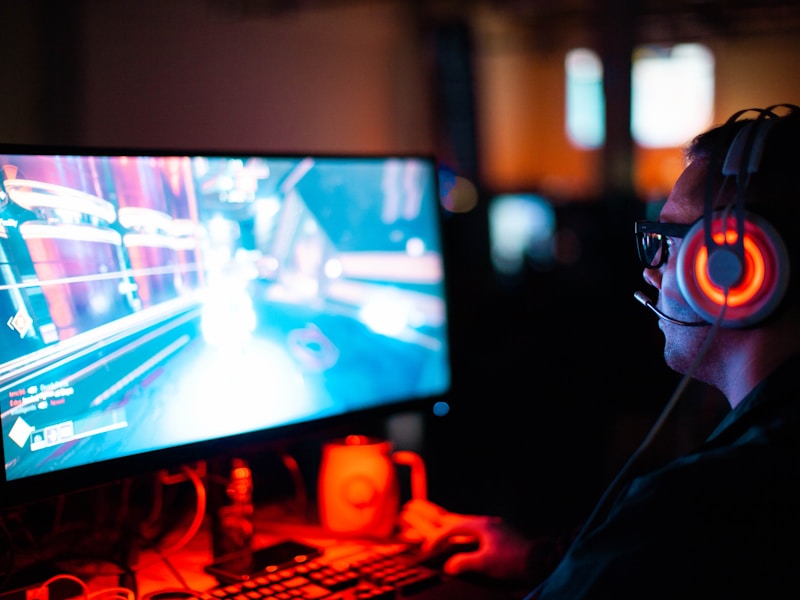
“When you make a mistake in front of half a million live viewers, the chat feeds you thousands of toxic reactions instantly. There is no locker room to escape to; the criticism follows you right onto your personal phone, directly into your bedroom.”
This constant exposure to digital hostility breeds severe performance anxiety and imposter syndrome. Young players, often lacking the emotional maturity to process public scrutiny, internalize this toxicity. The fear of failure becomes so paralyzing that it degrades their mechanical execution, creating a vicious cycle of anxiety, poor performance, and further criticism.
How Elite Teams are Combating the Crisis
To combat this epidemic, pioneering esports organizations are adopting corporate and athletic wellness frameworks, tailoring them to the unique demands of competitive gaming. Through a combination of clinical intervention, environmental design, and physical wellness, these teams are setting a new standard for player care.
1. Integrating Sports Psychologists and Mental Performance Coaches
Organizations like Astralis (Counter-Strike) were among the first to prove that prioritizing mental health directly translates to championship titles. By hiring full-time sports psychologists, they destigmatized mental health care. Today, sports psychologists do not just treat acute anxiety; they actively train players in cognitive resilience, stress inoculation, and mindfulness.
These professionals teach players actionable cognitive-behavioral techniques, such as:
- Box Breathing: A tactical breathing pattern used to lower heart rates and regulate the nervous system during high-tension tournament rounds.
- Reframing: Converting cognitive anxiety (“What if I fail and disappoint my fans?”) into physiological excitement (“My body is priming itself to perform at its peak”).
- Segmented Focus: Breaking down five-hour match series into bite-sized, independent rounds to prevent mental fatigue from compounding.
2. Transitioning from Gaming Houses to Dedicated Training Facilities
Recognizing the toxic nature of the gaming house model, tier-one organizations like Team Liquid, 100 Thieves, and T1 have invested millions into state-of-the-art training facilities. Players now commute to work, practice in professional office settings, and return to separate, private apartments at the end of the day.

This physical separation of work and life provides a critical psychological reset. It allows players to disconnect, pursue hobbies outside of gaming, and cultivate healthy social relationships, which are vital buffers against burnout.
3. The Physical-Mental Synergy: Sleep, Nutrition, and Fitness
Cognitive stamina is deeply intertwined with physical health. Modern esports teams employ dedicated physical therapists, personal trainers, and nutritionists. Programs are structured around three core pillars:
- Aerobic and Strength Conditioning: Cardiovascular exercise increases oxygen flow to the brain, enhancing decision-making speeds and spatial awareness while lowering resting cortisol levels.
- Sleep Hygiene Protocols: Sleep deprivation directly compromises cognitive flexibility and emotional regulation. Teams use biometric trackers (like Oura Rings or Whoop bands) to monitor sleep cycles and design strict schedules that ensure restorative deep and REM sleep.
- Anti-Inflammatory Nutrition: High-sugar energy drinks and fast food have been replaced by customized, nutrient-dense meal plans designed to prevent energy crashes and optimize neurological function during long tournaments.
The Road Ahead: Building a Sustainable Future for Esports
While top-tier organizations are making strides, the broader esports ecosystem still has a long way to go. Academy teams, semi-professionals, and amateur players often operate without any safety nets, grinding in unhealthy conditions in hopes of getting noticed. For esports to truly mature, structural changes must occur at the industry level.
Tournament organizers must design schedules that prevent grueling travel demands and allow for defined off-seasons. Game developers must collaborate with player associations to establish baseline mental health support and fair working conditions across all leagues. Ultimately, the industry must shift from viewing players as disposable, short-term assets to recognizing them as elite, long-term athletic talents who deserve a sustainable, healthy career path.