The Paradigm Shift in Amateur Athletics
Not long ago, elite sports science was a luxury reserved exclusively for Olympic contenders and multi-million-dollar professional franchises. These athletes had access to physiological laboratories, metabolic carts, sleep chambers, and dedicated teams of sports scientists. The average amateur athlete, or “weekend warrior,” had to rely on rudimentary metrics: a stopwatch, a basic scale, and the subjective, often unreliable gauge of “how their legs felt.”
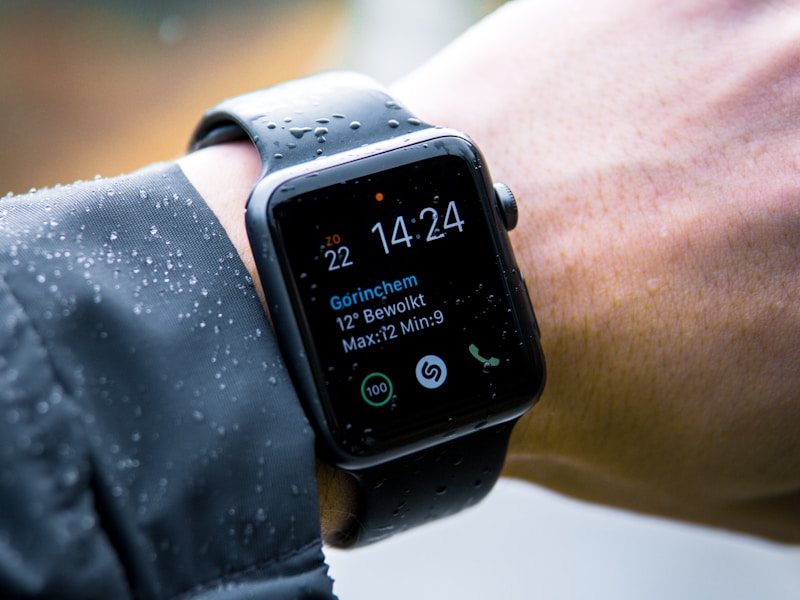
Today, that boundary has dissolved. A consumer-grade smartwatch or smart ring costing a fraction of a laboratory visit delivers continuous, high-fidelity physiological data directly to an athlete’s smartphone. We are living in the golden era of the quantified self, where biometric wearables are democratizing athletic optimization, injury prevention, and performance tracking. This comprehensive guide explores how amateur athletes can leverage this technology to transform their training from guesswork into a precise, data-driven science.
The Core Biometric Metrics Explained
To truly benefit from wearable technology, an athlete must understand the underlying physiology of the metrics displayed on their dashboard. Modern wearables have evolved far beyond mere step-counters; they now track deep biological indicators that reflect systemic strain and adaptation.
1. Heart Rate Variability (HRV)
Perhaps the most critical metric for any athlete is Heart Rate Variability (HRV). Unlike heart rate, which measures the number of beats per minute, HRV measures the specific, millisecond-level variation in time between consecutive heartbeats. This interval is dictated by the autonomic nervous system (ANS), which is divided into two branches:
- The Sympathetic Nervous System (SNS): The “fight-or-flight” system, which dominates during high-intensity training, stress, or illness. When the SNS is active, heartbeats become more regular and metronomic, resulting in a lower HRV.
- The Parasympathetic Nervous System (PNS): The “rest-and-digest” system, responsible for recovery, digestion, and tissue repair. When the PNS is dominant, heartbeats are more irregular, resulting in a higher HRV.
For an amateur athlete, a high HRV relative to their personal baseline indicates that their body is highly adaptive, recovered, and ready to absorb high-intensity training. Conversely, a depressed HRV suggests systemic fatigue, impending illness, or mental stress, signaling a need for active recovery or rest.
2. VO2 Max (Cardiorespiratory Fitness)
VO2 Max is the maximum rate of oxygen consumption measured during incremental exercise. Traditionally measured via an exhaustive treadmill test while wearing a metabolic face mask, modern wearables estimate this metric by analyzing the relationship between heart rate and running speed or cycling power. While wearable estimates have a slight margin of error compared to lab testing, their ability to track trends over time is highly accurate and incredibly valuable for measuring aerobic fitness gains.
3. Pulse Oximetry (SpO2) and Respiratory Rate
By measuring the oxygen saturation of arterial blood, pulse oximetry helps endurance athletes monitor how their bodies adapt to altitude, heat, or intensive training blocks. Concurrently, tracking nocturnal respiratory rate (the number of breaths taken per minute during sleep) is an excellent early-warning system. A sudden spike in sleep respiratory rate is often the first biometric indicator of respiratory infection or acute overtraining, showing up up to 48 hours before physical symptoms manifest.
Recovery as the Ultimate Performance Metric
In the past, the athletic ethos was dominated by the phrase “no pain, no gain.” Amateurs routinely overtrained, leading to chronic injuries, burnout, and plateaued performance. Biometric technology has flipped this narrative, proving that fitness adaptation does not occur during training; it occurs during recovery.
“Your training is only as good as your recovery. If you cannot adapt to the stress you impose on your body, the training is wasted.”
Most advanced wearables now synthesize various biometrics—resting heart rate, sleep quality, HRV, and cumulative physical activity—into a single daily “Recovery Score” or “Readiness Index.” This score acts as an invaluable guide for daily workout planning:
- High Recovery (Green Zone): The neuromuscular and cardiovascular systems are fully restored. This is the optimal day for a high-intensity interval training (HIIT) session, a heavy lifting session, or a personal record (PR) attempt.
- Moderate Recovery (Yellow Zone): The body is in a neutral state. This day is best suited for aerobic base-building, steady-state cardio, or moderate-tempo work.
- Low Recovery (Red Zone): The body is under significant physiological stress. Continuing to train hard in this state triggers a cascade of stress hormones (cortisol), increases injury risk, and suppresses the immune system. The optimal choice is active recovery (walking, gentle yoga) or absolute rest.
The Role of Advanced Sleep Architecture
Sleep is the single most powerful recovery tool available to humans. During deep sleep, the body releases human growth hormone (HGH), repairs micro-tears in muscle tissue, and synthesizes protein. During REM sleep, the brain consolidates motor patterns, converting physical practice into permanent muscle memory.
Wearables analyze movement, heart rate, and temperature variations to break sleep down into light, deep, and REM cycles. By analyzing this data, amateur athletes can identify lifestyle habits that sabotage their sleep quality. For instance, an athlete may observe that eating a heavy meal within two hours of sleeping or consuming alcohol drastically decreases their deep sleep duration and spikes their overnight resting heart rate. Adjusting these behaviors yields immediate, measurable improvements in athletic recovery.
Real-Time Biofeedback and Biomechanics
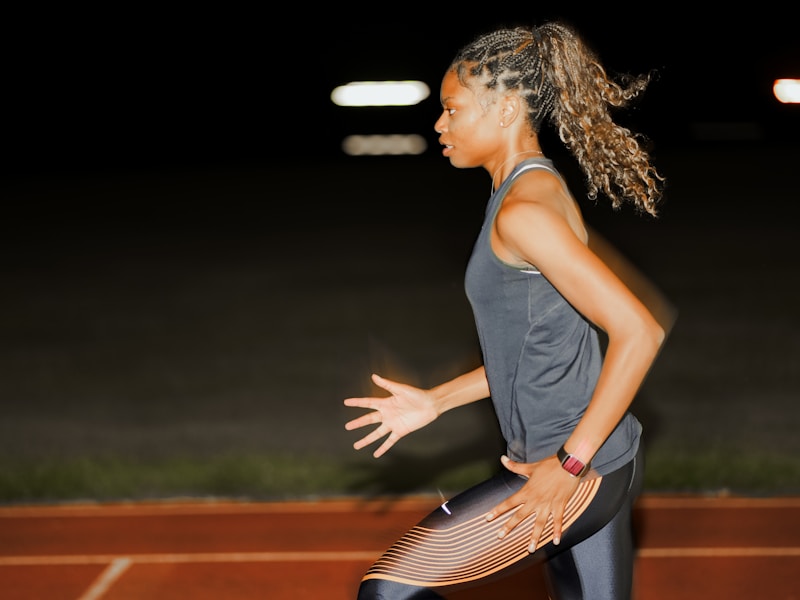
Modern wearables are no longer passive collectors of data; they are active, real-time coaches. During a run, swim, or cycle, athletes can monitor live metrics that help refine technique and pacing on the fly:
- Real-Time Pacing and Power: Running power meters (measured in Watts) provide an absolute measurement of work output, independent of wind or terrain. This allows runners to pace themselves perfectly on hilly courses.
- Cadence and Ground Contact Time: For runners, maintaining an optimal cadence (steps per minute) minimizes ground contact time and reduces the impact forces transmitted through the joints. Wearables analyze these biomechanical metrics, helping athletes shorten their stride and avoid heel-striking, which is a major cause of knee and hip injuries.
- Live Cardio Zones: By setting personalized heart rate zones, athletes can ensure they are training in the correct metabolic system. This prevents the common amateur mistake of running “recovery runs” too fast (Zone 3 instead of Zone 2), which hampers overall adaptation.
A Practical Framework for the Quantified Amateur
To avoid “data fatigue”—the state of being overwhelmed by charts without making meaningful training adjustments—amateurs should adopt a structured approach to their wearable data. Here is a step-by-step framework to successfully integrate biometric tracking into your lifestyle:
Step 1: Establish Your Baseline
Do not make drastic changes to your training when you first put on a new device. Most algorithms require 14 to 30 days of consistent wear to accurately map your unique baseline resting heart rate, HRV, and sleep patterns. Use this initial phase to simply observe.
Step 2: Focus on Trends, Not Daily Fluctuations
A single poor night of sleep or a temporary dip in HRV should not cause panic. Zoom out to look at weekly or monthly rolling averages. Is your baseline HRV trending upward over the last month? If so, your cardiovascular fitness is improving. Is your resting heart rate steadily climbing? You may be approaching an overtrained state.
Step 3: Correlate Data with Subjective Feelings
Your wearable is an assistant, not a dictator. Always cross-reference your biometric data with your subjective state. If your watch reports a “95% Readiness Score” but you feel joint pain or mental exhaustion, honor your body’s signals over the device’s algorithm. The magic lies in the intersection of biological data and physical intuition.
Conclusion: The Future of Personalized Fitness
Biometric technology has transformed amateur athletes from passive participants in generalized fitness programs into active scientists of their own physiology. By tracking metrics like HRV, sleep architecture, and real-time biomechanics, everyday sports enthusiasts can optimize their training schedules, prevent debilitating injuries, and achieve peak performance on their own terms. The future of athletic excellence is no longer locked behind elite laboratory doors—it is strapped firmly to our wrists, whispering the secrets of our biology in real-time.