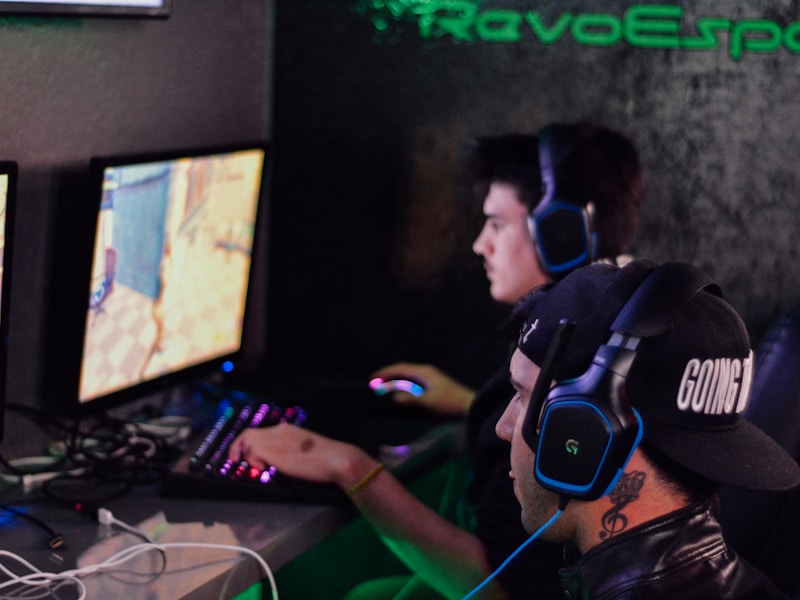
In the high-stakes world of competitive gaming, victory is measured in milliseconds. In games like Counter-Strike, League of Legends, and Valorant, a split-second delay in reaction time or a brief lapse in concentration can mean the difference between a championship title and devastating defeat. As esports has matured into a multi-billion-dollar industry, the stereotype of the soda-chugging, sleep-deprived gamer has been thoroughly dismantled. Today’s elite esports athletes are highly disciplined competitors who treat their minds and bodies like Formula 1 race cars.
To maintain peak cognitive performance through grueling tournament brackets and grueling ten-hour practice blocks, professional teams are employing dedicated performance coaches, nutritionists, and sports psychologists. The secret weapon of these modern digital gladiators? Biohacking—the practice of using science, biology, and self-experimentation to optimize physical and mental performance.
This comprehensive guide dives deep into the cutting-edge diet, exercise, and sleep regimens of elite esports athletes, providing you with actionable strategies to biohack your own biology for peak gaming performance.
1. Neuro-Nutrition: Fueling the Brain for Sub-Millisecond Reflexes
The human brain makes up only about 2% of our total body weight but consumes roughly 20% of our resting metabolic energy. For a competitive gamer processing millions of visual data points, coordinating complex hand-eye micro-movements, and executing split-second strategic decisions, that energy demand spikes dramatically. Traditional gaming fuel—high-sugar energy drinks and processed snacks—leads to rapid blood sugar spikes followed by catastrophic cognitive crashes. Elite biohackers take a far more sophisticated approach.
Stable Glucose and Keto-Adaptation
To prevent the brain fog and lethargy associated with insulin spikes, many professional gamers adhere to a low-glycemic index (GI) diet or a cyclical ketogenic diet. By relying on healthy fats and complex, fiber-rich carbohydrates, they ensure a steady, slow-release supply of glucose to the brain. Ketone bodies, specifically beta-hydroxybutyrate (BHB), serve as an incredibly clean and efficient fuel source for the brain, enhancing mitochondrial function and reducing neuroinflammation.
Myelin-Supporting Fats
The speed of neural transmission is heavily dependent on myelin—the protective sheath surrounding nerve fibers. Elite gamers prioritize dietary fats that support myelination and overall brain health:
- Omega-3 Fatty Acids (EPA and DHA): Found abundantly in wild-caught salmon, mackerel, and high-quality algal oil, DHA is a primary structural component of the cerebral cortex. It promotes synaptic plasticity, reduces cognitive decline, and speeds up cellular communication.
- Medium-Chain Triglycerides (MCTs): Often sourced from coconut oil, MCTs bypass the liver and are rapidly converted into usable ketones, providing almost instant mental clarity.
Targeted Nootropics and Cognitive Supplements
While natural foods form the foundation, elite gamers selectively utilize nootropics (cognitive enhancers) to sharpen their focus and visual acuity:

“The classic pairing of L-Theanine and Caffeine is the bedrock of gamer supplementation. It delivers the sharp, hyper-focused benefits of caffeine while completely eliminating the jitters, anxiety, and heart rate spikes that degrade aim precision.”
Other popular supplements include Bacopa Monnieri for spatial working memory, L-Tyrosine to support dopamine production under high-stress conditions, and Lutein and Zeaxanthin to protect the retina from high-intensity blue-light exposure and reduce eye strain.
2. Physical Biohacking: Targeted Fitness for Cognitive Stamina
It is a common misconception that gaming is purely mental. Physical fitness is directly linked to executive cognitive function, spatial awareness, and stress tolerance. When an athlete’s physical body is weak or fatigued, their brain must divert energy away from game concentration to maintain basic postural control and physical comfort.
The Cardiovascular Connection and Heart Rate Variability (HRV)
High-intensity competitive matches induce a massive sympathetic nervous system (fight-or-flight) response, driving heart rates up to 160-180 beats per minute—comparable to a marathon runner. Elite gamers engage in regular cardiovascular training (such as Zone 2 cardio and HIIT) to lower their resting heart rate and raise their Heart Rate Variability (HRV).
A high HRV indicates a robust, adaptable autonomic nervous system that can easily transition from a high-stress clutch situation back to a calm, focused state. This prevents physical burnout and emotional tilting during long, stressful tournament sets.
Ergonomics, Postural Correction, and Injury Prevention
Repetitive strain injuries (RSIs) like carpal tunnel syndrome, cubital tunnel syndrome, and tendonitis are the career-killers of esports. Elite athletes biohack their physical postures with highly specific routines:
- Scapular Retraction and Thoracic Extension: Exercises like face-pulls, band pull-aparts, and foam rolling of the thoracic spine reverse the “gamer slouch” (forward head posture and rounded shoulders) that compresses nerves and restricts deep breathing.
- Wrist and Grip Strength Development: Targeted forearm stretches, wrist extension exercises, and tendon glides ensure the micro-muscles of the hands and wrists maintain high-speed, friction-free movement.
- Core Stabilization: A strong core acts as the physical anchor for the arms and hands. Planks, deadbugs, and bird-dogs build the muscular endurance needed to sit perfectly upright for hours without fatiguing the lower back.
3. Circadian Hygiene and Sleep Hacking
If diet and exercise are the fuel and machinery, sleep is the master technician. During deep sleep (Slow-Wave Sleep), the brain’s glymphatic system clears metabolic waste products, including toxic proteins that accumulate during waking hours. During Rapid Eye Movement (REM) sleep, the brain consolidates muscle memory and complex in-game movement patterns, turning yesterday’s practice session into today’s hardwired reflexes.

Elite teams enforce strict sleep hygiene protocols to maximize sleep architecture:
Mitigating the Blue Light Threat
Modern LED monitors emit a heavy concentration of blue light (specifically in the 450-480nm spectrum). This exposure suppresses the body’s natural production of melatonin, the hormone responsible for signaling sleep. Pro gamers use a multi-tiered approach to combat this:
- Wearing high-quality amber-tinted blue-light blocking glasses during evening gaming sessions.
- Utilizing software like f.lux or system-level night shift settings on training monitors.
- Enforcing a hard screen-ban at least 60 minutes before hitting the mattress.
Environmental Sleep Optimization
To ensure deep, uninterrupted sleep cycles, athletes optimize their sleep environments:
- Thermal Regulation: Keeping the bedroom temperature cool (around 65°F / 18°C) mimicking the body’s natural temperature drop during sleep.
- Total Darkness: Using 100% blackout curtains and covering any glowing LEDs on PC towers or routing equipment to prevent disrupting melatonin production through the skin.
- Consistent Chronobiology: Going to bed and waking up at the exact same times every day, even on weekends, to lock in their circadian rhythms. This ensures that their peak cognitive alertness aligns precisely with their tournament schedule.
4. The Elite Gamer’s 24-Hour Biohacking Routine
To help you integrate these advanced concepts into your own life, here is a structured daily blueprint modeled after elite esports regimens:
- 08:00 AM – Morning Alignment: Wake up, hydrate with 500ml of water containing electrolyte minerals, and seek 10-15 minutes of direct morning sunlight to anchor the circadian rhythm.
- 08:30 AM – Movement & Physical Activation: Perform a light cardiovascular warmup, dynamic stretches, and 15 minutes of corrective posture exercises.
- 09:30 AM – Targeted Nutrition: Break the fast with a high-protein, high-fat meal (e.g., pasture-raised eggs, avocado, and spinach). Take omega-3 supplements and L-Theanine.
- 11:00 AM to 04:00 PM – High-Cognitive Block: Focus on intense training. Stay hydrated and avoid heavy, carb-rich lunches to bypass the afternoon slump.
- 04:30 PM – Decompression & Cardio: Engage in 30-45 minutes of Zone 2 cardio (running, cycling, or rowing) to clear stress hormones and boost BDNF levels.
- 06:30 PM – Final Meal: Consume a balanced dinner with clean carbs (such as sweet potatoes or quinoa) to assist with serotonin production and promote evening relaxation.
- 09:00 PM – Digital Sunset: Put on blue-light blocking glasses. Transition away from intense gaming to lighter, low-stimulation tasks. Focus on meditation, box-breathing, or reading.
- 10:30 PM – Sleep Initiation: Sleep in a cold, pitch-black room optimized for recovery.
Conclusion: Unleashing Your Peak Digital Self
The boundary between traditional sports and competitive esports has completely dissolved. As the physical and cognitive demands of gaming reach historic heights, surviving on energy drinks and raw talent is no longer a viable strategy. By treating your mind and body with the respect of an elite athlete—fueling with precise neuro-nutrition, fortifying with functional exercise, and restoring with deep, disciplined sleep—you don’t just protect your long-term health; you unlock a sustainable, high-performance state of flow that will elevate your rank, sharpen your play, and keep you dominant for years to come.