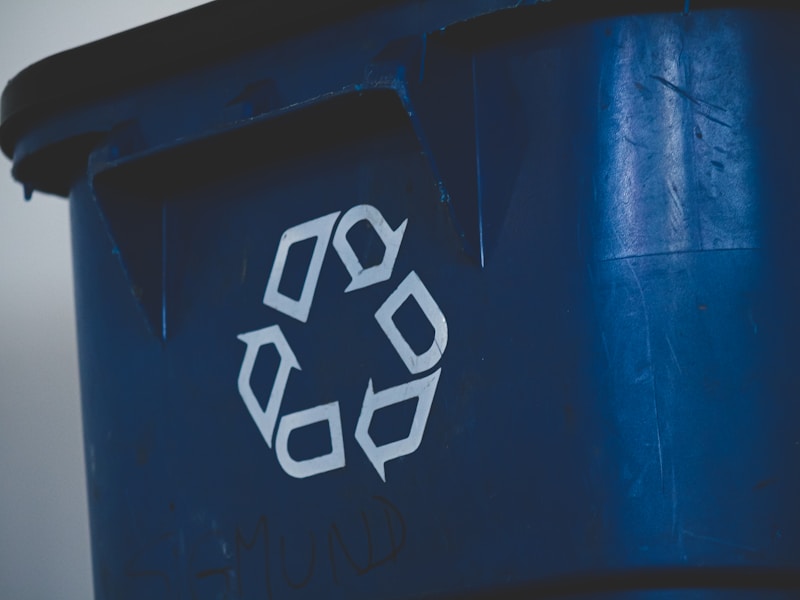
Why Recycling Isn’t Enough for the Planet
For decades, we’ve been told that recycling is the ultimate solution to environmental degradation. While separating your plastics and cardboard is important, it is actually the least effective of the ‘Three Rs’ (Reduce, Reuse, Recycle). To truly combat climate change, we must focus on reduction at the source. By integrating small, manageable micro-habits into your daily routine, you can make a significantly larger impact on lowering your carbon footprint.
7 Micro-Habits to Shrink Your Carbon Footprint Daily
1. Vanquish ‘Vampire’ Power
Did you know that electronics consume energy even when turned off? Devices like chargers, television sets, and microwave clocks draw ‘phantom load’ or ‘vampire’ power. Unplugging your chargers when not in use or using smart power strips can reduce your household electricity use by up to 10%.
2. Wash Laundry in Cold Water
Roughly 75% to 90% of all the energy your washing machine uses goes toward heating the water. Switching your dial from hot to cold is a simple, zero-effort adjustment that significantly cuts down on energy grid demand while also making your clothes last longer.
3. Embrace the ‘One-Mile Rule’
Short car trips are incredibly inefficient and produce a disproportionate amount of emissions because the engine hasn’t warmed up to its optimal operating temperature yet. Commit to walking, biking, or skating for any errands or trips under one mile.
4. Let Leftovers Cool Before Refrigerating
Placing hot food directly into the refrigerator forces the appliance to work twice as hard to maintain its cool interior temperature. Allow your meals to cool to room temperature on the counter first to save precious daily kilowatts.
5. Optimize Your Digital Footprint
Digital carbon footprints are real. Data centers require massive amounts of energy to run and cool. A simple habit like deleting old emails, unsubscribing from newsletters you never read, and turning off video autoplay can collectively reduce carbon emissions over time.
6. Adjust Your Thermostat by Just One Degree
You don’t need to freeze or sweat to make a difference. Turning your thermostat down by just one degree in the winter, or up by one degree in the summer, can reduce your heating and cooling carbon emissions by up to 10% annually.
7. Practice ‘First In, First Out’ (FIFO) Cooking
Food waste is a major driver of greenhouse gas emissions when it rots in landfills. Organize your fridge so that older ingredients are placed at the front. Commit to eating those before opening new packages, saving both money and methane emissions.
Small Changes, Big Impact
Reducing your carbon footprint doesn’t require a total lifestyle overhaul. By picking just two or three of these micro-habits to start today, you are actively participating in a global movement toward real, sustainable environmental conservation.