
Revolutionizing Event Infrastructure: The Tech Powering the 2026 Venues
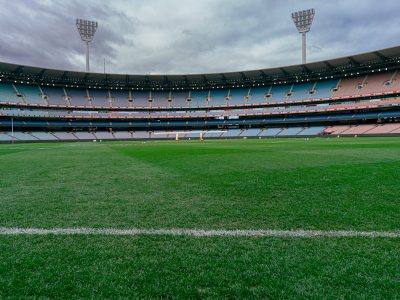
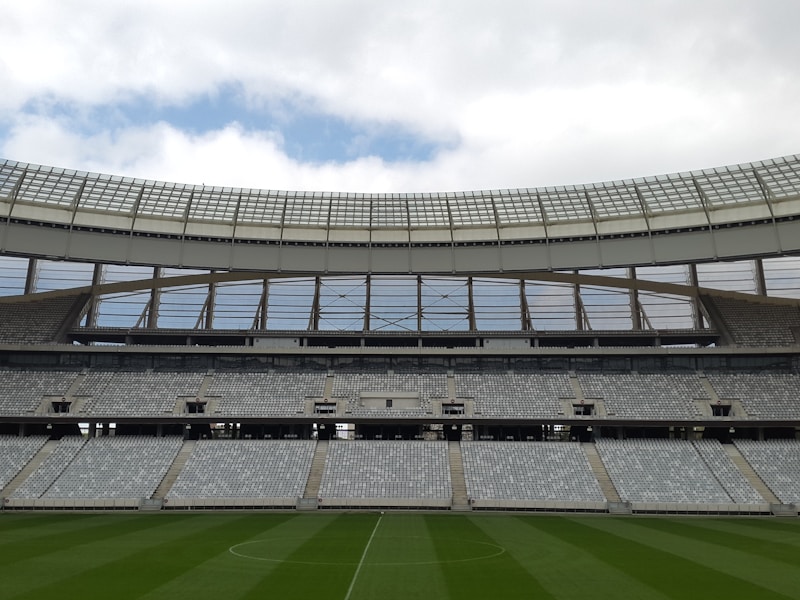
As the global sporting landscape shifts towards smarter, more sustainable infrastructure, the venues designated for 2026 represent a quantum leap in engineering. These are not merely stadiums; they are interconnected, data-driven ecosystems designed to prioritize spectator experience, operational efficiency, and long-term environmental viability.
1. Digital Twins and Predictive Maintenance
At the heart of the 2026 venue strategy is the deployment of Digital Twin technology. By creating a virtual replica of each physical venue, engineers can simulate thousands of scenarios—from crowd flow dynamics to structural responses under extreme weather—before a single brick is laid.
- Real-time Monitoring: Sensors embedded throughout the venues provide continuous telemetry on energy consumption and structural integrity.
- Predictive Analytics: AI algorithms predict maintenance needs, allowing teams to address issues before they result in operational downtime.
2. Sustainable Engineering and Energy Harvesting
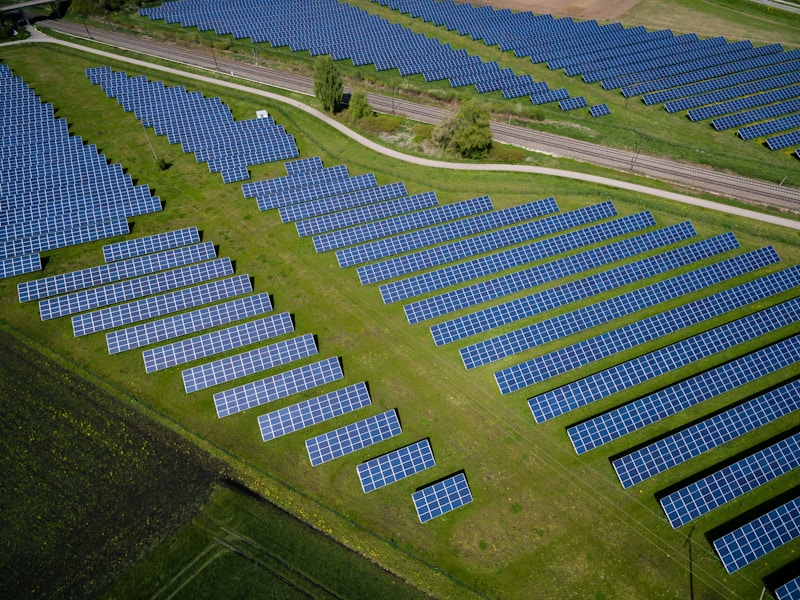
The 2026 venues are setting the gold standard for ‘Green Infrastructure.’ A significant focus has been placed on net-zero carbon operations through the integration of building-integrated photovoltaics (BIPV) and kinetic energy harvesting systems.
‘The future of stadium design isn’t just about utility; it is about creating buildings that act as power plants for their surrounding communities.’
By utilizing high-density thermal insulation and passive ventilation designs, these venues reduce reliance on HVAC systems by up to 40% compared to traditional models.
3. AI-Driven Crowd Management and Spectator Safety
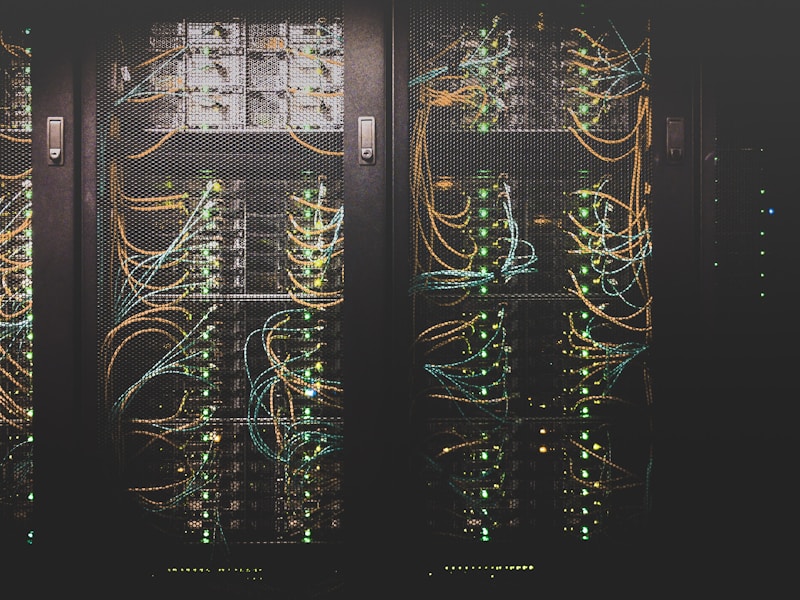
Ensuring the safety and comfort of thousands of attendees requires sophisticated backend support. 2026 venues utilize advanced computer vision systems to monitor crowd density in real-time. This technology facilitates:
- Dynamic routing of pedestrian traffic to prevent bottlenecks.
- Automated incident detection that alerts security teams to unusual activity or medical emergencies within seconds.
- Personalized spectator guidance via venue-specific mobile apps.
4. Hyper-Connectivity: The 6G-Ready Backbone
Connectivity is the lifeblood of modern event infrastructure. With the rollout of 6G-ready fiber backbones, the venues of 2026 provide ultra-low latency environments. This supports augmented reality (AR) integrations that allow spectators to overlay real-time stats, player telemetry, and interactive maps directly onto their view of the arena via smart devices or AR glasses.
Actionable Insights for Future Infrastructure Projects
If you are planning to leverage these advancements in your own projects, consider the following strategy:
- Prioritize Modularity: Design venues for multi-purpose use post-event to ensure the longevity of the infrastructure.
- Data Interoperability: Ensure that all software systems, from ticketing to facility management, speak the same language through standardized API protocols.
- Sustainability First: Invest in renewable energy integration during the early architectural phases, not as an afterthought.
Conclusion
The 2026 venues are a testament to what is possible when technology, sustainability, and human-centric design intersect. By embracing digital twins, renewable energy, and hyper-connectivity, these venues have moved beyond their role as host sites to become models for the future of urban development. As we look forward, the lessons learned from these sites will undoubtedly inform the next decade of infrastructure investment worldwide.