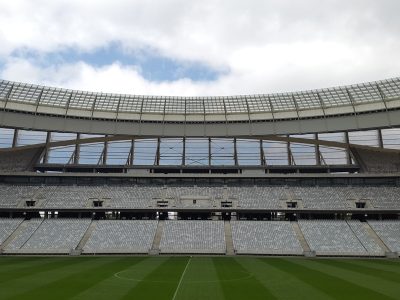


The Dawn of a New Era in International Football
For over a quarter of a century, the 32-team format of the FIFA World Cup was widely considered the gold standard of international sports tournaments. It offered the perfect balance of exclusivity, competitive tension, and global representation. However, the upcoming 2026 FIFA World Cup—co-hosted by the United States, Canada, and Mexico—is set to shatter this paradigm. By expanding the tournament to 48 teams, FIFA is orchestrating the most radical restructure in World Cup history.
This expansion is not just a nominal change; it is a seismic shift that fundamentally alters the competitive dynamics, sporting logistics, financial landscapes, and tactical approaches of international soccer. In this comprehensive analysis, we will dissect how the 48-team format works, who stands to gain, and how the beautiful game will change forever.
Decoding the New Format: From 64 to 104 Matches
Initially, FIFA proposed a format consisting of 16 groups of three teams. However, following intense backlash regarding potential collusion in the final group games and the loss of the dramatic final-day group-stage matches, the governing body pivoted. The finalized structure for the 2026 World Cup features 12 groups of four teams.
This structural pivot creates a massive logistical and sporting footprint:
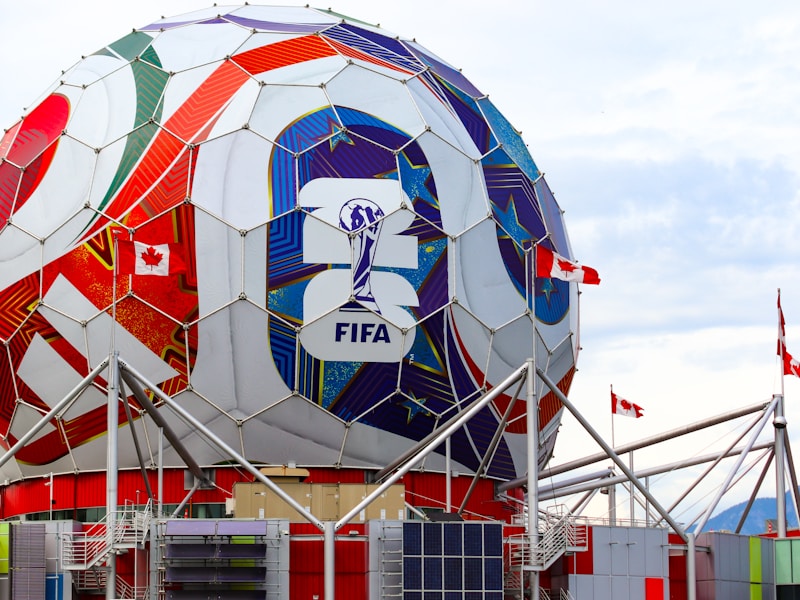
- The Round of 32: The top two teams from each of the 12 groups, along with the eight best third-place finishers, will advance to a newly introduced Round of 32 knockout stage.
- 104 Matches: The total number of tournament matches will skyrocket from 64 to 104. This dramatic increase promises a feast of football for fans but introduces an unprecedented scheduling challenge.
- 39-Day Duration: To accommodate the extra 40 matches, the tournament footprint will expand to nearly six weeks, placing immense strain on player recovery and club-versus-country schedules.
- 8 Matches to Win: The four semi-finalists will now play eight matches instead of the traditional seven to lift the trophy.
The Great Continental Redistribution: Who Benefits Most?
The primary driver behind the expansion is global exclusivity—and, by extension, the democratization of football wealth. The allocation of the 16 extra slots heavily favors confederations that have historically been underrepresented relative to their member associations.
Confederation Slot Breakdowns:
- CAF (Africa): Receives a massive boost from 5 to 9 guaranteed slots (plus a potential inter-confederation playoff spot).
- AFC (Asia): Increases from 4.5 to 8 guaranteed slots, doubling its presence on the world stage.
- CONCACAF (North/Central America): Increases to 6 guaranteed slots (including the three co-hosts: USA, Canada, and Mexico).
- CONMEBOL (South America): Expands to 6 guaranteed slots, meaning 60% of South American nations could qualify directly.
- OFC (Oceania): Finally receives a guaranteed direct qualification slot (previously, the winner had to play a risky intercontinental playoff).
- UEFA (Europe): Secures a modest increase from 13 to 16 slots, maintaining its status as the largest single contingent but seeing its percentage of overall representation decrease.
‘The expansion is a game-changer for emerging soccer nations. Countries that once viewed qualification as an impossible dream now have a tangible pathway to the world stage, which will catalyze domestic investment in youth academies and infrastructure.’
The Physical and Tactical Toll on Modern Athletes
With more matches, vast geographical distances between host cities (ranging from Vancouver to Miami and Mexico City), and a longer tournament timeline, player fatigue will be a critical factor in 2026. Sport scientists and tacticians are already warning of the physical toll.
To survive the grueling schedule, elite national teams must adapt their approaches:

- Deep Squad Rotation: Gone are the days when a manager could rely on a core starting XI for the entire tournament. Managers must cultivate 18-20 starter-quality players and master the art of rotation to keep legs fresh for the knockout stages.
- High-Pressing vs. Low-Block Tactics: Emerging nations qualified through the expanded slots will likely employ ultra-defensive, low-block strategies to frustrate powerhouse nations. Conversely, elite teams may have to abandon continuous high-pressing systems to conserve energy in high-temperature summer conditions.
- Advanced Sports Science: National associations will invest heavily in cryotherapy, hyperbaric chambers, and real-time biomechanical tracking to manage recovery times during the rapid-fire group stages.
The Economics of the 104-Match Monster
For FIFA, the 48-team World Cup is a commercial masterstroke. The expansion is projected to generate billions in additional revenue through multiple streams:
Broadcasting Rights: With 40 additional games to broadcast, television networks worldwide are paying premium fees. The sheer volume of live inventory will drive unprecedented advertising revenue.
Ticketing and Tourism: North America possesses some of the largest, most modern stadiums in the world (predominantly NFL venues). The massive capacities of these stadiums, combined with fans traveling from 48 different nations, will result in record-breaking ticket sales and a multi-billion-dollar tourism boom for the host cities.
Sponsorships: Corporate brands are eager to tap into newly qualified markets, particularly in highly populated regions of Asia and Africa. This opens up localized sponsorship packages and global partnerships of unprecedented scale.
Actionable Strategies for National Associations to Capitalize on the Expansion
The transition to a 48-team tournament represents a golden window of opportunity. National Football Associations (FAs), especially mid-tier and developing ones, should implement the following strategic measures:
- Overhaul Youth Development: Allocate immediate funding into Grassroots and U-17/U-20 national programs to build a sustainable pipeline of talent capable of competing at the highest level by 2026 and beyond.
- Forge Strategic Club Alliances: FAs should establish partnerships with major European and South American domestic leagues to facilitate the transfer of young local talents into competitive club environments early in their careers.
- Optimize Travel and Acclimatization Logistics: Given the vast geographic span of the 2026 host countries, FAs must secure training bases early and design rigorous travel protocols to mitigate jet lag and altitude shifts (particularly in high-altitude venues like Mexico City).
Conclusion: A Diluted Product or a Truly Global Celebration?
Critics argue that expanding the World Cup to 48 teams will dilute the quality of the group stage, leading to uncompetitive blowout matches and a less prestigious tournament feel. However, the counterargument is powerful: football is a global game, and a broader World Cup fosters international unity, inspires generations of young athletes in developing nations, and injects much-needed capital into global soccer development.
Ultimately, the 2026 World Cup will be a grand sporting experiment. Whether it is remembered as a logistical nightmare or the most spectacular sports event in human history depends on how successfully FIFA, the host nations, and the participating teams adapt to this bold new 48-team reality.