
Introduction: A New Era of Sports Tourism
When FIFA announced that the 2026 World Cup would be jointly hosted by the United States, Canada, and Mexico, the sporting world cheered. However, the true significance of this decision extends far beyond the final whistle of the championship match. This historic tri-national partnership represents a monumental paradigm shift for global tourism, cross-border infrastructure, and regional economic integration.
By shifting the focus from individual cities to an entire continent, the 2026 tournament challenges the traditional playbook of mega-event hosting. It is not merely about hosting matches in state-of-the-art stadiums; it is about establishing a collaborative travel ecosystem that will redefine how millions of international visitors experience North America.
1. Redefining Cross-Border Connectivity
The sheer scale of a tournament spread across three massive nations presents unique logistical challenges—and unprecedented opportunities. Historically, mega-events have been localized to single nations, or at most, co-hosted by closely knit European neighbors. The United 2026 bid spans thousands of miles, linking cities from Vancouver to Mexico City, and Los Angeles to Toronto.
Seamless Travel and ‘Coopetition’
To accommodate millions of international visitors, transport authorities and immigration agencies are collaborating at historic levels. This ‘coopetition’—cooperative competition—forces the three nations to streamline visa processes, expand pre-clearance facilities, and coordinate transit schedules. The long-term legacy of this integration will be a highly optimized travel corridor that makes North American multi-destination vacations infinitely easier for decades to come.
2. Boosting Mid-Tier Cities and Local Economies
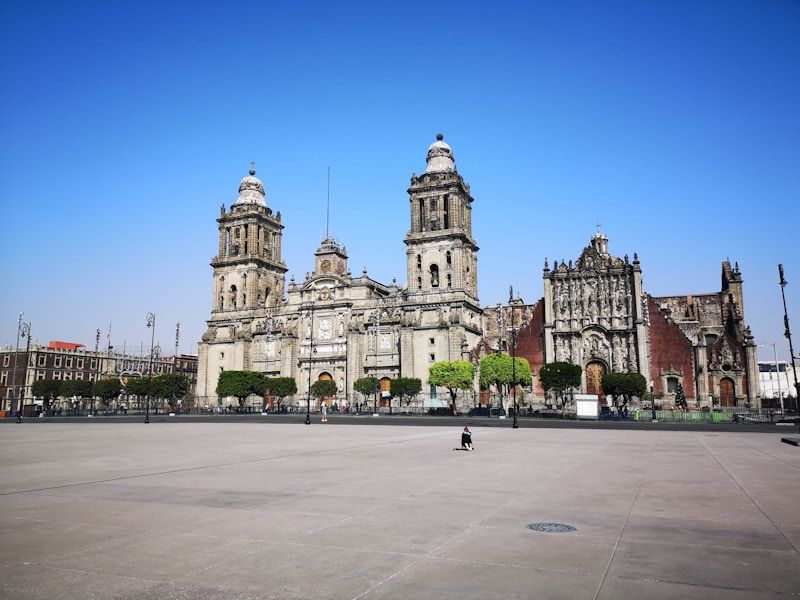
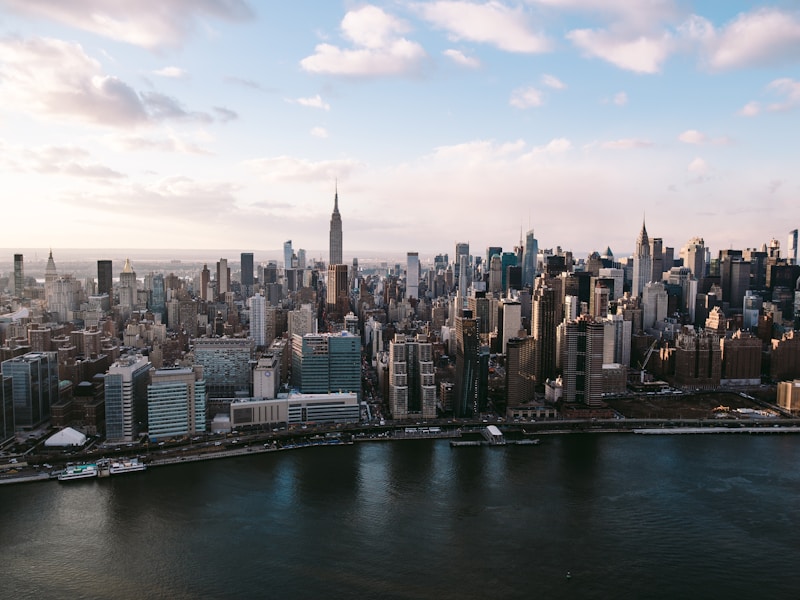
While iconic global hubs like New York, Los Angeles, and Mexico City will undoubtedly draw massive crowds, the real tourism revolution is occurring in mid-tier host cities. Places like Kansas City, Monterrey, Guadalajara, and Atlanta are preparing for an unprecedented influx of global visitors.

‘The 2026 World Cup is a democratizing force for tourism, shining a global spotlight on culturally rich cities that are often bypassed by international travelers.’
- Cultural Showcasing: Visitors to Guadalajara will experience authentic mariachi and culinary heritage, while those heading to Vancouver will explore rich Indigenous history and breathtaking Pacific Northwest nature.
- Economic Diversification: Micro-businesses, local restaurants, and boutique hotels in these cities will experience direct financial windfalls, reducing economic dependency on primary metropolitan centers.
3. The Legacy Infrastructure Blueprint
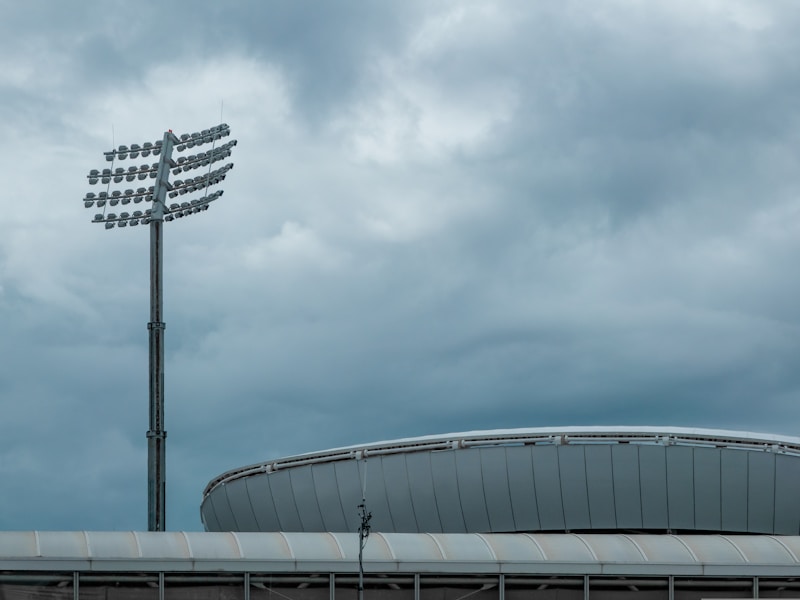
A major criticism of past mega-events has been the creation of ‘white elephants’—massive, expensive stadiums that fall into disuse. The United 2026 bid circumvented this by utilizing existing, world-class NFL, MLS, and Liga MX stadiums. Instead of pouring billions into concrete, funding is being redirected toward long-term tourism infrastructure:
- Smart Airports: Accelerated rollouts of biometric boarding, 5G connectivity, and automated baggage handling.
- Green Public Transit: Expansion of light rails, electric bus fleets, and pedestrianized corridors in host cities to ensure eco-friendly transit for fans.
- Digital Hospitality: Upgraded digital payment ecosystems and multi-lingual AI concierge services across major transit hubs.
4. Actionable Advice for Tourism Stakeholders
How can destination marketing organizations (DMOs), hoteliers, and local tour operators capitalize on this multi-year window of opportunity? Here are key strategic steps:
- Develop Multi-City Packages: Create cross-border travel itineraries that link host cities (e.g., a Pacific Northwest package combining Seattle and Vancouver).
- Optimize for Digital-First Travelers: Ensure all booking platforms, menus, and local guides are mobile-friendly and support international payment gateways.
- Highlight Authenticity and Sustainability: Modern travelers prioritize eco-friendly operators and authentic, community-driven experiences over standard tourist traps.
Conclusion: A Legacy Beyond the Pitch
The 2026 FIFA World Cup will certainly crown a new champion on the pitch, but the ultimate winner will be the North American tourism ecosystem. By uniting three nations under a single, ambitious vision, the tournament is poised to catalyze infrastructure development, stimulate local economies far beyond major metropolitan centers, and create a seamless travel paradigm that will define North American tourism for a generation. The stadium lights will eventually turn off, but the pathways built between Canada, the USA, and Mexico will remain open, vibrant, and prosperous.