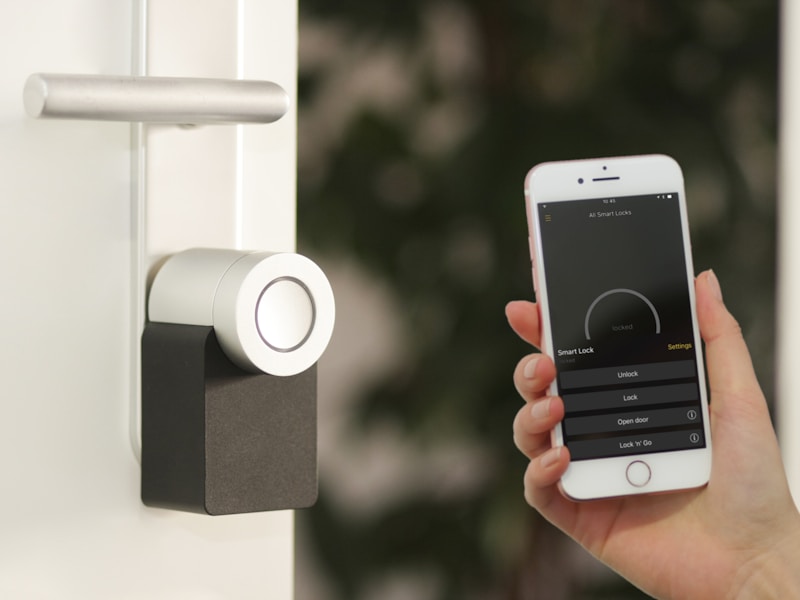
The Paradigm Shift: From Cloud-Dependent to Local-First Smart Homes
For the past decade, the dream of the smart home has been sold as a cloud-hosted utopia. We welcomed voice assistants, smart cameras, and connected thermostats into our private sanctuaries, rarely questioning the pipeline of data flowing back to corporate servers. However, this convenience has come at a steep price: data breaches, server outages that render basic appliances useless, rising subscription fees, and the unsettling realization that our daily habits are being parsed by tech giants for advertising profiles.
Today, a quiet counter-revolution is taking place. Driven by breakthroughs in edge computing and lightweight artificial intelligence, the modern smart home is severing its umbilical cord to the cloud. Local AI—the practice of running machine learning models, voice processing, and automation logic entirely within the physical walls of your house—has transitioned from an enthusiast hobby to a viable, robust consumer reality. This is the era of the privacy-first smart home.
The Core Benefits of Moving AI to the Edge
Transitioning from cloud-based platforms like Amazon Alexa or Google Home to a local system powered by platforms like Home Assistant, Hubitat, or specialized local servers offers three monumental advantages:
1. Absolute Privacy and Security
When your smart speaker or security camera processes data locally, your private conversations and video feeds never leave your local network (LAN). There are no cloud storage databases vulnerable to hackers, and no corporate terms of service changes that grant third parties access to your camera feeds. If a hacker breaches a major cloud provider, your smart home remains completely unaffected because your data simply does not exist on their servers.
2. Near-Zero Latency and High Reliability
In a cloud-dependent system, turning on a smart bulb involves sending a signal from your switch to your router, up to an ISP, to a remote server, down to the bulb manufacturer’s server, and finally back down to your bulb. This process introduces noticeable lag and fails entirely if your internet connection drops. Local AI operates on your local network. Actions are executed in milliseconds, creating a seamless, natural tactile experience that functions perfectly even during a complete internet outage.
3. Freedom from Subscription Fatigue
Many smart home brands have locked key features—such as facial recognition, continuous video recording, and advanced automation rules—behind monthly paywalls. By hosting open-source or locally licensed AI models on your own hardware, you buy the equipment once and own its full capabilities forever, free from subscription fees and forced cloud migrations.
The Pillars of Local AI Integration
Building a local-first smart home requires rethinking the three primary ways we interact with our environment: voice control, computer vision, and cognitive automation engines.
1. Local Voice Assistants (Whisper, Piper, and Local LLMs)
Until recently, natural-sounding text-to-speech and accurate speech-to-text required the processing power of massive data centers. Thanks to optimized open-source projects, a modest home server can now run state-of-the-art local voice pipelines. Technologies like Whisper (for speech-to-text) and Piper (for text-to-speech) allow for lightning-fast voice interactions without sending voice recordings to external servers. Furthermore, running quantized Large Language Models (LLMs) locally enables conversational agents that can understand complex, contextual commands like, ‘It is cold in here, turn down the AC and close the living room shades, but only if the sun is setting.’
2. Local Computer Vision and Smart Monitoring
Security cameras are highly personal, yet they are the most common cloud-dependent devices. Local computer vision engines, such as Frigate NVR, leverage specialized hardware like the Google Coral USB Accelerator or integrated NPUs (Neural Processing Units) to perform real-time object, person, vehicle, and pet detection locally. Instead of sending raw video feeds to the cloud for analysis, processing happens at the edge. The system only alerts you when a real event occurs, preserving both your bandwidth and your privacy.
3. Unified Local Protocols: Zigbee, Z-Wave, and Matter
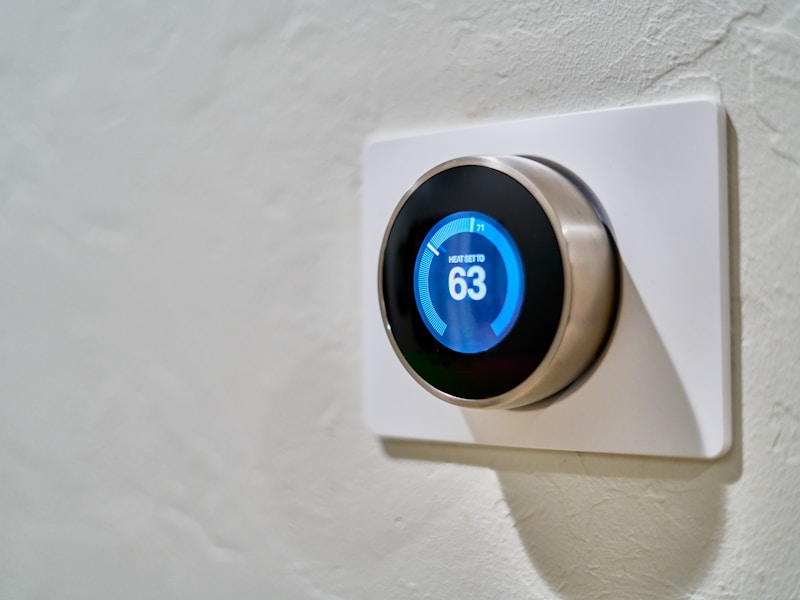
A local AI is only as good as the devices it controls. Proprietary Wi-Fi devices often require cloud integration. To build a resilient local network, opt for mesh networking protocols like Zigbee and Z-Wave, or the new interoperability standard, Matter (running over Thread). These protocols communicate directly peer-to-peer on your local network without needing an internet connection, allowing your local automation engine to orchestrate them flawlessly.
“True automation shouldn’t feel like a gadget you control; it should feel like an invisible assistant that anticipates your needs without compromising your personal space.”
Hardware Options for Local AI Smart Homes
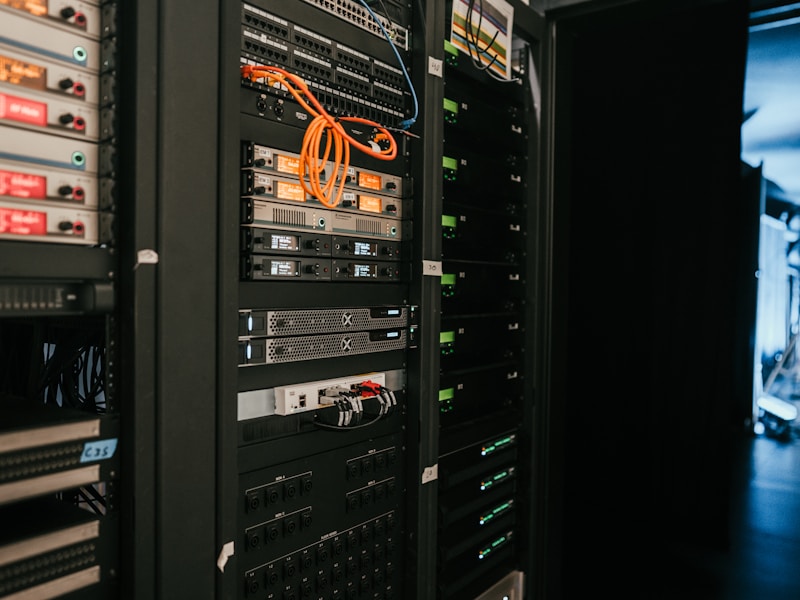
Getting started with local AI doesn’t require a commercial-grade server rack. Depending on your needs, several scalable hardware options exist:
- Single Board Computers (SBCs): Devices like the Raspberry Pi 5 or Home Assistant Green are excellent entry points for running basic local automations, local voice commands, and light telemetry tracking.
- Mini PCs (NUCs/Refurbished Office PCs): An Intel NUC or a refurbished Lenovo/HP mini PC offers superior compute-per-dollar ratios. They are ideal for running local databases, Docker containers, and basic video processing.
- Dedicated Edge AI Accelerators: Adding a Google Coral TPU or utilizing a system with an integrated Intel/AMD NPU allows your home server to execute thousands of mathematical operations per second, unlocking high-frame-rate local computer vision and instant object detection.
Actionable Blueprint: Transitioning to a Privacy-First Smart Home
If you are ready to reclaim your privacy, follow this step-by-step roadmap to transition your smart home to a local-first architecture:
- Audit Your Current Setup: Identify which of your existing smart devices depend on the cloud. Focus on replacing or flashing devices that cannot operate offline.
- Establish a Local Hub: Set up an open-source automation controller, such as Home Assistant, on dedicated local hardware. This will serve as the brain of your home.
- Migrate to Local Protocols: Whenever purchasing new sensors, switches, or plugs, choose Zigbee or Thread/Matter over Wi-Fi. Pair them directly to your local hub using a dedicated coordinator.
- Deploy Local Voice and Video: Configure local speech-to-text systems and set up an offline camera system using local network video recorders (NVRs) paired with Edge TPU hardware for object recognition.
- Isolate Your Smart Home Network: For maximum security, configure your router to put all IoT devices on a dedicated Virtual LAN (VLAN) without WAN (internet) access. This ensures that even if a device has a security vulnerability, it cannot communicate with external servers.
Conclusion: The Future is Private, Fast, and Local
The golden era of the cloud-first smart home is drawing to a close. As consumers demand higher security, lower latencies, and predictable costs, the industry is pivoting toward edge-based architectures. By investing in local AI and open standards today, you are not just securing your personal data; you are building a resilient, future-proof ecosystem that operates at your speed, under your control, and entirely within your physical domain. The smart home of the future doesn’t watch you; it serves you.