
Introduction: The Multi-Billion Dollar Gamble
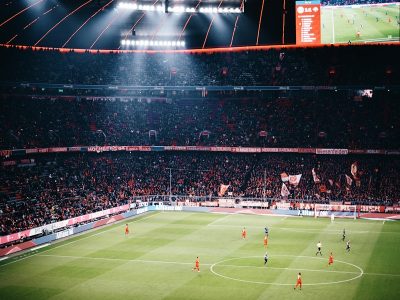
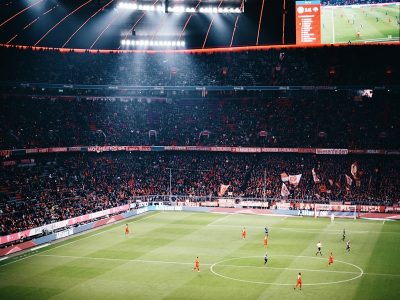
Hosting the FIFA World Cup is often hailed as the pinnacle of global sporting prestige, yet it remains one of the most debated economic endeavors for host nations. With the 2026 World Cup spanning the United States, Canada, and Mexico, local governments are grappling with the reality of multi-billion dollar price tags. Is this investment a catalyst for long-term growth or a financial black hole?
The Anatomy of Costs: Beyond the Pitch
The financial commitment to hosting a World Cup goes far beyond stadium construction. To analyze the ROI, we must look at:
- Infrastructure Upgrades: Massive investments in public transportation, airports, and road networks to handle millions of visitors.
- Security and Operations: Increased police, emergency services, and logistical support which often run into the hundreds of millions.
- Opportunity Costs: Diverting public funds from local education or healthcare to support short-term tourism projects.
The Revenue Myth vs. Reality
While FIFA projects significant direct revenue through broadcasting, sponsorship, and ticketing, very little of that capital trickles down to municipal treasuries. Most host cities rely on increased sales tax revenue and hotel occupancy taxes. Experts suggest that the net impact on local GDP is often overstated due to ‘substitution effects,’ where residents stay home or avoid areas congested by the event, canceling out the spending of international tourists.
Long-Term Infrastructure: The True Legacy
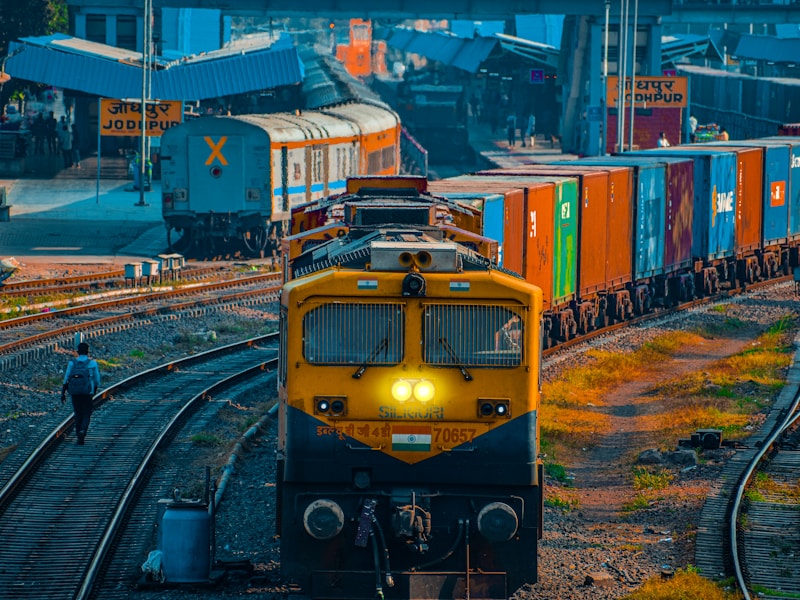
The most compelling argument for hosting is not the tournament itself, but the acceleration of urban renewal. Cities like Los Angeles and Toronto are leveraging the event to fast-track transit projects that would otherwise take decades to approve. This ‘catalytic development’ model argues that the World Cup provides the political cover necessary to pass expensive, necessary infrastructure upgrades that provide utility for decades after the final whistle.
Case Studies: Lessons from History
‘The success of the 2026 World Cup will be determined not by the tournament duration, but by the utilization of the facilities in 2030 and beyond.’ – Urban Economics Expert
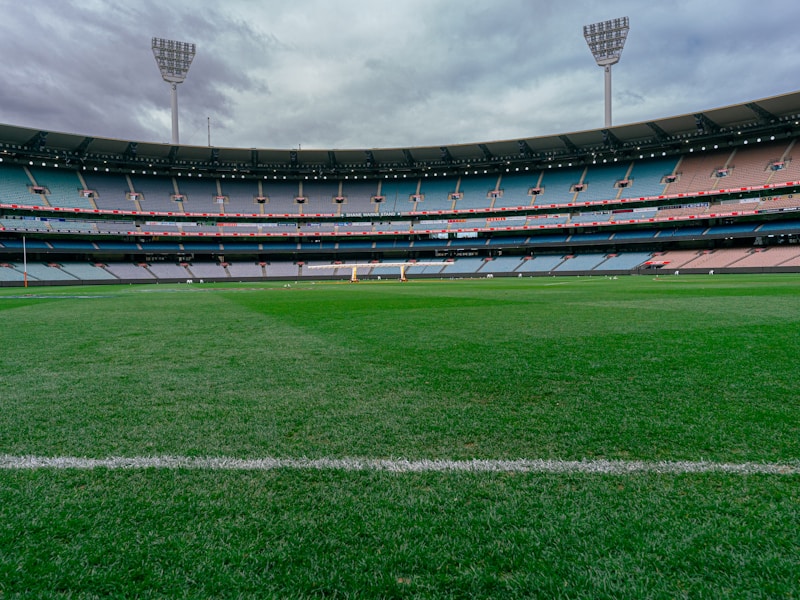
We can look to previous tournaments for guidance. While Qatar focused on permanent infrastructure, Brazil’s 2014 experience serves as a warning, where several ‘white elephant’ stadiums saw minimal use post-tournament. The North American model is unique; by utilizing pre-existing NFL and MLS stadiums, the host nations avoid the most common pitfall of stadium construction, drastically lowering the initial capital expenditure.
Actionable Advice for Future Host Cities
- Prioritize Existing Assets: Avoid building new stadiums; focus renovation budgets on legacy improvement.
- Focus on Transit-Oriented Development: Ensure every dollar spent on infrastructure improves year-round capacity for residents.
- Leverage the ‘Brand Halo’: Use the exposure to drive long-term business investment and tourism branding rather than relying on one-off ticket sales.
Conclusion: A Calculated Risk
Is the 2026 World Cup worth the investment? For cities that use the tournament as a vehicle for essential, long-overdue infrastructure improvements, the answer is a qualified yes. However, cities that bank on short-term consumption boosts may find themselves in the red. Ultimately, the 2026 tournament will be a litmus test for whether global events can still be engines for sustainable urban development in the 21st century.