

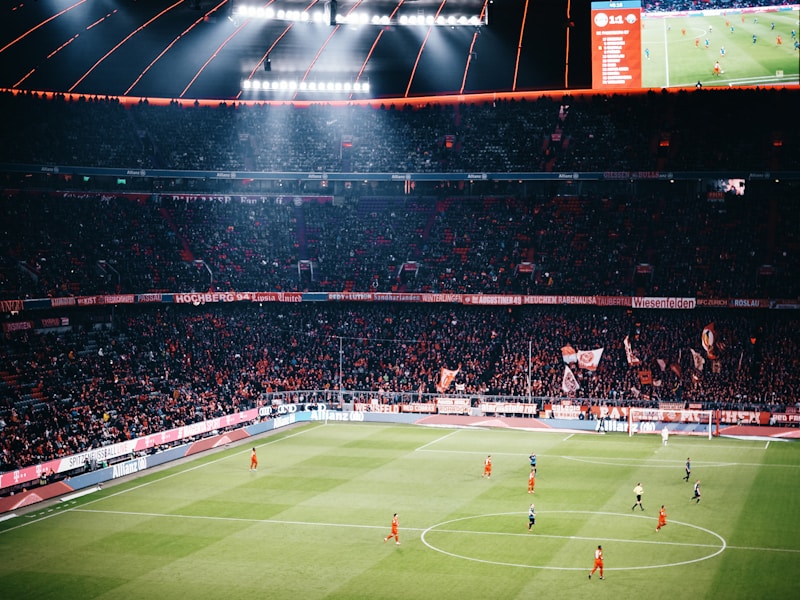
Introduction: The Dawn of a Tri-Nation Sporting Spectacle
Hosting a major international sports tournament across three massive nations—Canada, Mexico, and the United States—is an unprecedented logistical feat. For sports fans, this translates into the ultimate travel adventure. Imagine chanting in the modern arenas of Los Angeles, enjoying street food in the bustling plazas of Mexico City, and experiencing the coastal charm of Vancouver all within the span of a few weeks. However, navigating three distinct countries, currencies, transit networks, and cultures requires meticulous planning. This comprehensive guide serves as your playbook for a seamless, cross-border fan experience.
Demystifying Cross-Border Logistics and Documentation
Navigating Visas and Entry Requirements
Traveling between the United States, Canada, and Mexico requires careful attention to immigration laws. Do not assume that a visa for one country grants access to the others. Here is a quick breakdown of what you need:
- United States: Most international travelers will need an Electronic System for Travel Authorization (ESTA) under the Visa Waiver Program, or a B1/B2 visitor visa.
- Canada: Visa-exempt foreign nationals require an Electronic Travel Authorization (eTA) to fly to or transit through Canada.
- Mexico: Depending on your nationality, you may need a visitor visa. However, travelers with valid US visas or permanent residency in Schengen countries, Canada, Japan, or the UK generally do not need a separate Mexican visa for short stays.
Pro Tip: Apply for all travel authorizations at least three months before your departure date to account for processing delays. Keep physical and digital copies of your passport, visas, and match tickets at all times.
Managing Multi-Currency and Digital Payments
You will be operating in three currencies: US Dollars (USD), Canadian Dollars (CAD), and Mexican Pesos (MXN). While credit cards are widely accepted across all three countries, having local currency is essential for street vendors, small markets, and public transit in Mexico. Utilize multi-currency digital wallets or travel-friendly credit cards with zero foreign transaction fees to avoid unnecessary costs.
Transit Strategies: Moving Across and Within Host Cities
Long-Distance Travel: Flights vs. Overland
The sheer geographical scale of North America means flying is often the only practical option when traveling between far-flung host cities (e.g., from Miami to Seattle or Monterrey to Toronto). Opt for booking domestic flights within each country rather than multi-destination international flights, as this can often save hundreds of dollars. For closer regional hubs, consider Amtrak in the US, VIA Rail in Canada, or regional bus services.

Mastering Local Urban Transit
Each host city boasts its own unique public transportation infrastructure. To save time and money, skip ride-shares during peak match days and embrace urban transit:
- Mexico City: The Metro system is vast and incredibly cheap, but it can be highly crowded. Utilize the Metrobus for dedicated lane travel.
- New York/New Jersey: The NJ Transit trains connect Manhattan directly to MetLife Stadium, making it the most efficient route.
- Toronto: The TTC subway and streetcars offer seamless access throughout the downtown core.
Cultural Immersion and Local Fan Etiquette
Language and Cultural Nuances
While English is the dominant language in the US and Canada, Spanish is the primary language in Mexico. Learning basic Spanish phrases (e.g., ‘¿Dónde está el estadio?’ – Where is the stadium?) goes a long way in showing respect. Embrace the unique fan cultures of each nation—from the passionate, high-energy chants of Mexican football stadiums to the diverse, multicultural fan parks of Canada and the classic American tailgating traditions.
The Culinary Journey
One of the greatest joys of a tri-nation tour is the food. Do not miss out on regional culinary specialties:

- USA: Sample local barbecue in Kansas City, deep-dish pizza in Chicago, or street carts in New York.
- Mexico: Explore authentic street tacos in Monterrey, tlayudas in Oaxaca, and seafood on the coast.
- Canada: Indulge in classic poutine in Montreal, fresh salmon in Vancouver, and peameal bacon sandwiches in Toronto.
Accommodation and Match-Day Safety
Smart Booking Strategies
With millions of fans traveling, hotel prices will skyrocket. Secure your accommodation as soon as host city pairings are announced. Consider staying in neighboring suburbs connected by commuter rail rather than downtown centers to find more budget-friendly rates. Verified vacation rentals can also be cost-effective for larger groups of fans traveling together.
Stadium Security and Bag Policies
North American stadiums enforce strict security protocols. Most venues utilize a clear bag policy, meaning only clear plastic, vinyl, or PVC bags of a specific size (usually 12′ x 6′ x 12′) are permitted. Pyrotechnics, professional cameras, and large banners may be restricted. Always check the official stadium guide before heading out on match day.
Conclusion: Embracing the Journey of a Lifetime
Navigating host cities across three distinct countries is more than just a trip to see games; it is a cross-continental celebration of sport, culture, and community. By preparing your transit routes ahead of time, understanding cross-border documentation, and staying adaptable, you will transform potential travel stress into an unforgettable adventure. Pack your jersey, prepare your passport, and get ready to experience a historic tournament like a seasoned pro.