
The Ultimate Green Challenge: The Scale of World Cup 2026
The FIFA World Cup 2026 is poised to be an event of unprecedented proportions. Co-hosted by three nations—the United States, Canada, and Mexico—it will expand to accommodate 48 teams, featuring 104 matches across 16 different host cities. While this promises a carnival of football, it also presents a monumental environmental challenge. Historically, mega-sporting events have left behind significant carbon footprints, massive waste, and unused infrastructure, commonly referred to as ‘white elephants’.
As the climate crisis intensifies, FIFA and the host nations have made bold promises: to deliver the greenest and most sustainable World Cup in history. But can a tournament of this geographic scale truly minimize its ecological footprint, or are these ambitions merely corporate greenwashing? In this deep-dive analysis, we break down the sustainability goals of the 2026 World Cup, analyzing the core strategies, infrastructure plans, waste-management initiatives, and the hard realities of continent-wide travel.
“Sustainability is no longer a luxury or an afterthought for mega-sporting events; it is a fundamental license to operate in the 21st century.”
The Travel Conundrum: Can Regional Clustering Mitigate Scope 3 Emissions?
The single greatest obstacle to the 2026 World Cup’s green goals is travel. In previous tournaments like Qatar 2022, the compact nature of the host country meant minimal air travel for fans and teams during the event. By contrast, the 2026 edition spans thousands of miles, stretching from Vancouver to Mexico City, and Boston to Los Angeles. Passenger flights represent the largest portion of a sporting event’s Scope 3 emissions (indirect emissions from activities of the organization).
The Strategy: Smart Match Scheduling and Regionalized Clusters
To tackle this geographical nightmare, FIFA has proposed a ‘cluster-based’ scheduling system. The 16 host cities have been divided into three distinct regional zones:
- West Region: Vancouver, Seattle, San Francisco, Los Angeles, Guadalajara.
- Central Region: Kansas City, Dallas, Houston, Atlanta, Monterrey, Mexico City.
- East Region: Toronto, Boston, New York/New Jersey, Philadelphia, Miami.
During the group stages, teams and fans will be consolidated within their respective regions. This reduces cross-continental travel, keeping flights shorter and allowing for land-based transit options like trains and buses where feasible. While this strategy is a step in the right direction, its effectiveness will depend heavily on the accessibility of public transport systems in regions historically dominated by car culture.
Infrastructure Advantage: No More ‘White Elephants’
One of the most significant environmental advantages of the 2026 World Cup is its reliance on existing infrastructure. Unlike the host nations of Brazil (2014), Russia (2018), or Qatar (2022), which spent billions building new, hyper-modern stadiums from scratch, the 2026 bid leverages venues that are already built and actively used by NFL and Liga MX franchises.
Upgrading to Modern Green Standards
Instead of construction-phase carbon expenditures, the focus for 2026 is on retrofitting existing venues with sustainable technologies. Many of the selected stadiums are already leaders in ecological design:
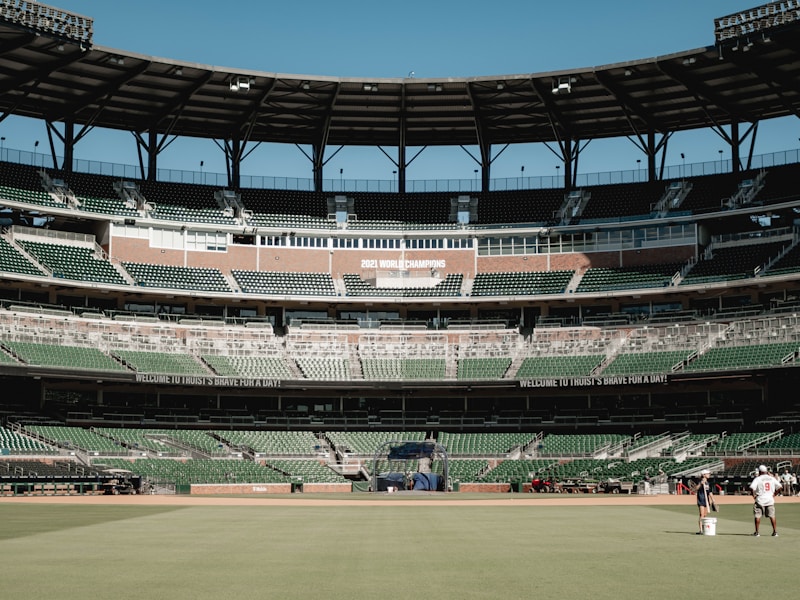
- Mercedes-Benz Stadium (Atlanta): The first professional sports stadium in the United States to achieve LEED Platinum certification. It features a massive rainwater capture system used for cooling towers and stadium irrigation, and over 4,000 solar panels.
- Lumen Field (Seattle): Known for its intensive waste diversion programs, currently diverting over 90% of its operational waste away from landfills through robust composting and recycling programs.
- MetLife Stadium (New York/New Jersey): Utilizes energy-efficient LED lighting, waterless urinals, and a comprehensive composting system to minimize resource usage.
By bypassing the carbon-heavy concrete manufacturing associated with new stadium builds, the 2026 tournament starts with a massive sustainability advantage over its predecessors. However, the challenge lies in standardizing these green protocols across all 16 venues, especially those that lack modern certifications.
Circular Economy: Zero-Waste Stadiums and Plastic Alternatives
With millions of fans expected to attend matches, concession stands will generate unprecedented amounts of waste. A core sustainability goal for the 2026 World Cup is to implement a circular economy framework within the venues, aiming for near-zero waste-to-landfill status.
Key Circular Initiatives
To achieve this, host cities are implementing strict guidelines on vendor operations:
- Elimination of Single-Use Plastics: Replacing traditional plastic cups, straws, and food containers with certified compostable alternatives or reusable deposit-return systems.
- Food Waste Management: Partnering with local food rescue organizations to donate surplus prepared food from corporate suites and concessions, while composting all organic kitchen scraps on-site.
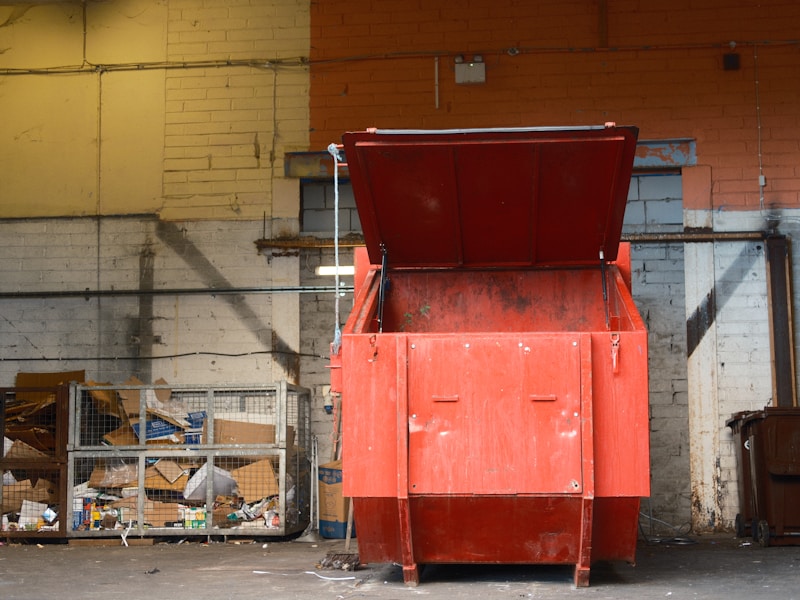
- Smarter Sorting Infrastructure: Deploying clear, color-coded, and multilingual waste stations staffed by ‘eco-ambassadors’ to educate fans and prevent recycling contamination.
Water Stewardship in Vulnerable Climates
Water conservation is a critical, yet often overlooked, aspect of sports sustainability. This is especially true for the Central and Western regions, where cities like Monterrey, Dallas, and Los Angeles face chronic water scarcity. Keeping world-class grass pitches in pristine condition requires millions of gallons of water daily.
To combat this, stadiums are prioritizing non-potable water sources. For example, Estadio BBVA in Monterrey has integrated advanced greywater reuse systems to irrigate its pitch, ensuring that clean drinking water is not wasted on turf maintenance. Additionally, advancements in drought-resistant hybrid turf technology are being deployed to minimize overall water consumption without compromising player safety.
An Actionable Guide for Eco-Conscious Fans
While organizers bear the brunt of the structural responsibility, the collective choices of fans will play a decisive role in the tournament’s overall carbon balance. If you are planning to attend, here is how you can minimize your personal footprint:
- Choose Land Travel First: Within regional clusters, opt for Amtrak, VIA Rail, or intercity buses over domestic flights whenever possible.
- Utilize Digital Ticketing and Public Transit: Avoid physical printouts and use local subway, light rail, or shuttle services to travel to the stadium. Most host cities will offer integrated transit passes with match tickets.
- Pack a Reusable Water Bottle: Keep an empty, non-metal reusable bottle in your gear to fill at stadium water stations, adhering to local security guidelines.
- Offset Unavoidable Travel: If flying is your only option, invest in verified gold-standard carbon offsets that fund community-led renewable energy or reforestation projects.
Conclusion: Will 2026 Set a New Green Standard?
The 2026 FIFA World Cup has the potential to redefine how global mega-events approach environmental responsibility. By utilizing existing, world-class stadiums and clustering matches to limit cross-continental travel, organizers have laid a solid foundation. However, the sheer scale of a 48-team tournament means that emissions will still be immense.
Ultimately, the success of the 2026 sustainability goals will not be measured by promises, but by transparent, third-party audited data post-tournament. If the regional scheduling works and stadiums successfully implement zero-waste operations, 2026 will not only be the biggest World Cup in history, but also the blueprint for the future of sustainable sports.