
The Evolution of Fitness: Defining Your Training Environment in 2024
The landscape of physical fitness has undergone a seismic shift. No longer are we choosing between a basic basement setup and a franchise fitness center; we are now navigating the era of ‘Smart Fitness.’ This comprehensive analysis dissects the core variables—capital expenditure, time equity, and psychological ROI—to determine if your goals are better served by the convenience of home training or the infrastructure of a commercial facility.
The Financial Breakdown: Beyond the Monthly Subscription
When comparing costs, most individuals fall into the trap of only counting the monthly gym membership fee versus the upfront cost of equipment. To truly understand the investment, you must analyze the Total Cost of Ownership (TCO) over a 36-month period.
- Commercial Gym: Factor in annual ‘enhancement fees,’ commute fuel costs, potential parking charges, and the indirect cost of ‘crowd tax’—the time spent waiting for equipment during peak hours.
- Home Gym: Calculate the depreciation of equipment, electricity for smart devices, and the opportunity cost of dedicated square footage. However, a high-quality rack, barbell, and plate set often pay for themselves within 24 months compared to high-end boutique studio memberships.
The Psychological Edge: Discipline vs. Motivation
Psychology plays a larger role in fitness adherence than biology. For some, the ‘commute’ acts as a ritual that signals to the brain it is time to work. For others, the friction of travel is the primary reason for missed workouts.
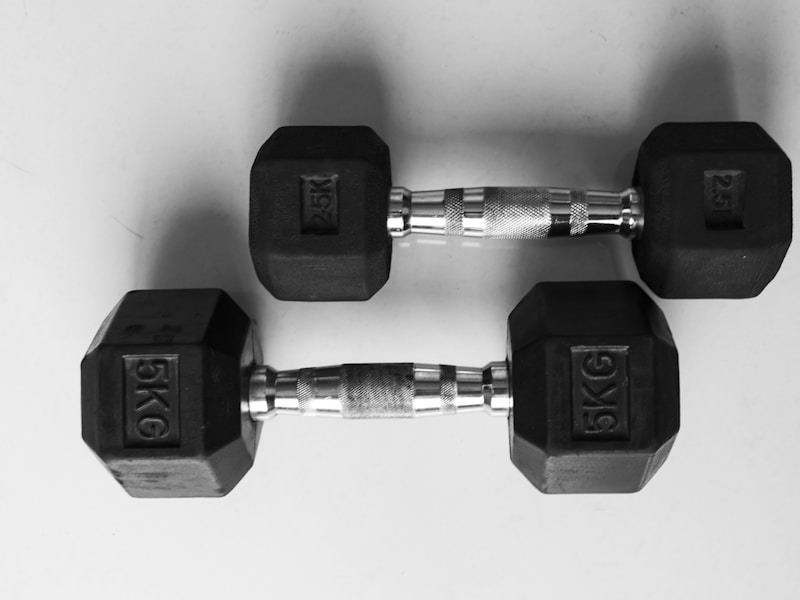
The best gym is the one you actually use. Consistency will always outperform the most expensive equipment in the world.
Smart home gyms bridge this gap through gamification. Platforms like Tonal or Peloton provide real-time performance tracking and community leaderboards, recreating the ‘social pressure’ of a commercial gym from your living room.
The Infrastructure Factor: What Does Your Training Demand?
Before committing capital, audit your training style:

- Powerlifting/Olympic Lifting: Requires high-load platforms, specialized flooring, and high-tensile bars. Commercial gyms often provide a more cost-effective solution for heavy iron.
- Hypertrophy/Smart Fitness: Modern smart cable systems take up less than 10 square feet and offer AI-driven weight adjustments, making them superior for space-constrained urban environments.
- Functional Fitness/Cross-Training: If you thrive on variety (rowers, assault bikes, plyo boxes), a well-curated home garage gym offers a level of focus you simply cannot find in a crowded commercial space.
Actionable Advice: The Hybrid Model
Many elite athletes have adopted a hybrid approach: maintaining a high-quality, minimalist home setup for ‘high-frequency, low-friction’ work (cardio, mobility, core) while retaining a basic membership at a local iron gym for heavy compound lifts and community interaction. By shifting the bulk of your volume to the home, you reduce travel stress while keeping the social benefits and heavy equipment access of the commercial environment.
Conclusion: Making the Decision
If you value time efficiency and data-driven training above all, a smart home gym is a depreciating asset that pays dividends in longevity. If you value environment, heavy-duty industrial equipment, and social accountability, the commercial gym remains the gold standard. Evaluate your lifestyle, audit your 3-year budget, and choose the path that lowers the barrier to entry for your daily sweat equity in-session performance.