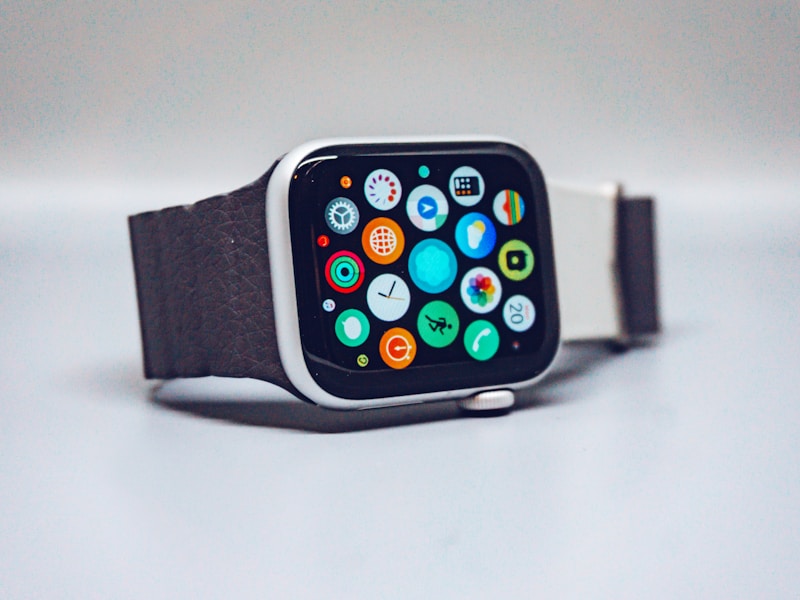
The Dark Days of Wear OS
For years, Google’s wearable strategy felt adrift. While Apple dominated with the tight integration of watchOS, Wear OS suffered from fragmented hardware, inconsistent battery life, and a lackluster developer ecosystem. Devices were often laggy, plagued by proprietary chipsets that lacked efficiency, and ignored by the broader consumer market. It was a platform waiting for a catalyst.
The Partnership That Changed Everything
The turning point arrived in 2021 when Google and Samsung announced a unified platform. By merging Wear OS with Samsung’s Tizen, the tech giants addressed the primary pain points that had stifled growth. This wasn’t just a software update; it was a fundamental shift in how the smartwatch market operated. Samsung brought its hardware expertise and custom silicon, while Google provided the ecosystem of apps and services, including the vital addition of the Google Play Store and Google Maps.
Hardware Evolution and Efficiency
The success of the ‘new’ Wear OS is inextricably linked to hardware. The introduction of modern, power-efficient chipsets allowed devices like the Galaxy Watch 4 and 5 series to provide a level of responsiveness that was previously unthinkable. Key technological advancements included:
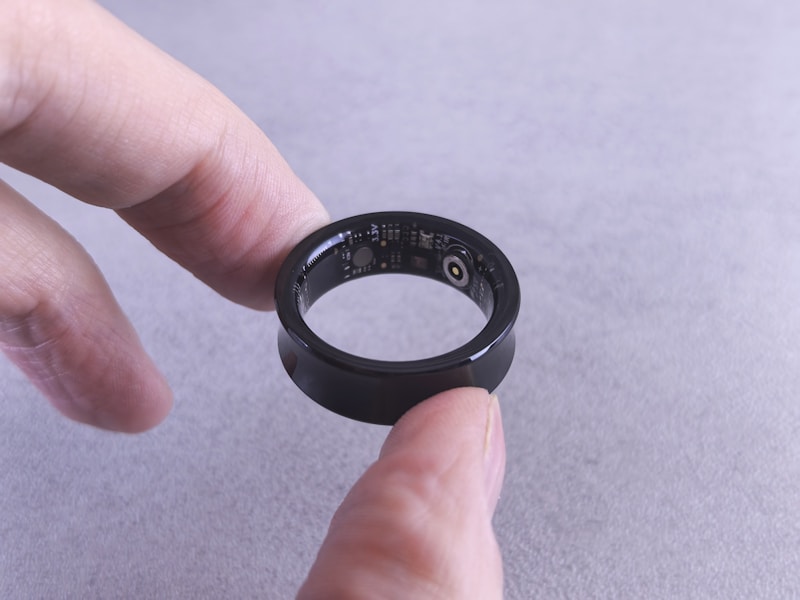
- Unified Architecture: Moving away from disparate, inefficient processors toward more capable, low-power cores.
- Display Innovations: Integration of high-refresh-rate AMOLED panels that manage power consumption effectively through dynamic refresh rates.
- Sensor Array Integration: Standardizing bio-sensors for better heart-rate tracking, SpO2, and ECG capabilities across the platform.
Optimizing the User Experience
Beyond hardware, the user interface (UI) overhaul was critical. The transition from the old, cluttered Wear OS navigation to a more intuitive, gesture-based system mirroring modern smartphone design principles made the devices feel accessible to the average consumer. The strategic implementation of ‘Tiles’ allowed users to access glanceable information without digging deep into the app drawer.
The Developer Ecosystem and Future Outlook
The resurgence of Wear OS is a textbook example of how platform fragmentation can be solved through strategic collaboration and shared vision.
Google has been aggressive in encouraging developers to build for the platform again. With improved tools for Compose for Wear OS, creating visually rich and battery-conscious applications has become significantly faster. As we look toward the future, the integration of generative AI and deeper cross-device connectivity between Android phones and watches will likely further solidify the dominance of this platform.
Actionable Tips for Wear OS Users
- Optimize Battery Life: Turn off ‘Always-on Display’ if you prioritize multi-day battery over constant aesthetics.
- Curate Tiles: Limit your Tiles to the top three services you use to keep navigation snappy.
- Update Regularly: Ensure both your phone and watch software are on the latest versions to leverage optimization patches.
Conclusion
Google and Samsung did not just fix a software problem; they rebuilt an entire ecosystem. By focusing on hardware efficiency, a clean UI, and developer support, they have successfully reclaimed the smartwatch market from the brink of irrelevance, proving that unity in the fragmented Android landscape is the key to competitive success.